


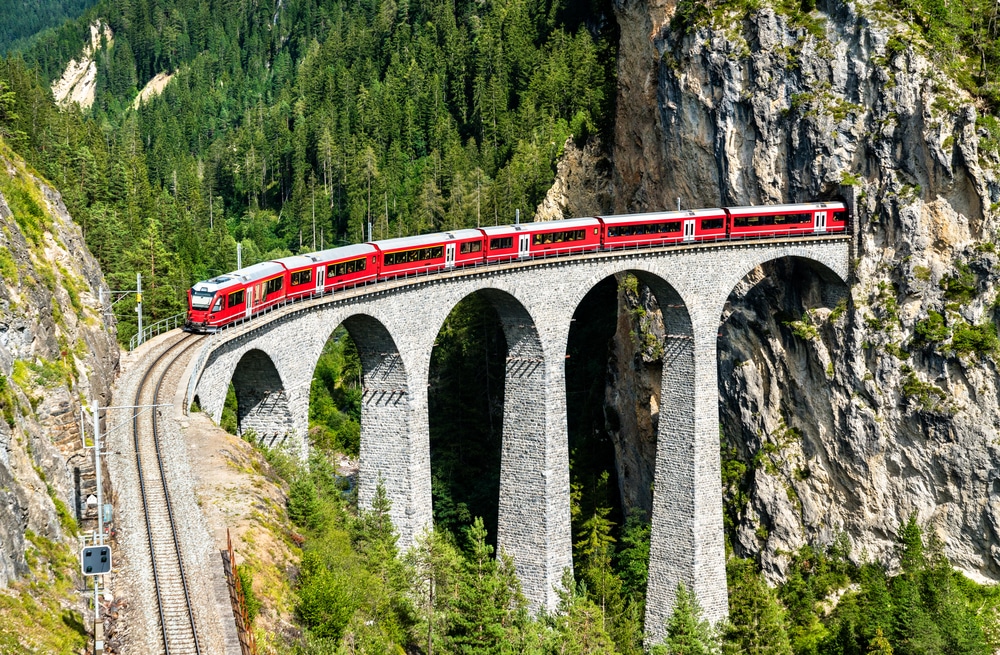
Swiss regional trains are incredibly efficient and covers pretty much the entire country. It’s run by Swiss Federal Railways (SBB, or CFF in French, FFS in Italian) along with a bunch of smaller private companies that handle local and regional routes. You can generally just show up, buy a ticket, and hop on the next train. Most of the time, you don’t even need to reserve a seat, which makes spontaneous travel really easy. Signs at stations are usually in English, and announcements on longer routes often are too, so language barriers aren’t usually a big deal.
- Integrated System: All the different train lines work together. This means you can easily connect between different services without a lot of hassle.
- Punctuality: Swiss trains are famous for running on time. Seriously, they’re like clockwork.
- Coverage: From major cities to tiny mountain villages, there’s a good chance a train can get you there.
The Swiss rail network is a marvel of engineering and organization. It’s designed to be user-friendly, even for first-time visitors. Think of it as one big, interconnected system where getting around is part of the adventure.
Planning Your Scenic Journeys
When planning your trip, it’s good to know what kind of trains you’ll be on. You’ll find regular InterCity (IC) and InterRegional (IR) trains, some of which are double-decker. For the best views, especially on scenic routes, try to grab a seat on the upper deck if you can. Remember, most regular trains don’t require advance booking, but if you’re eyeing specific panoramic trains like the Glacier Express or Bernina Express, those often do need reservations.
- Check the Route: Look at a map of the Swiss rail network to get a feel for the connections. You can usually find these online.
- Consider Passes: Depending on how much you plan to travel, a Swiss Travel Pass or a Half Fare Card might save you money. We’ll get into the details of these later.
- Flexibility is Key: While planning is good, the beauty of the Swiss system is its flexibility. Don’t be afraid to adjust your plans on the fly if you discover a charming town you want to explore.
Choosing the Right Swiss Regional Trains Pass
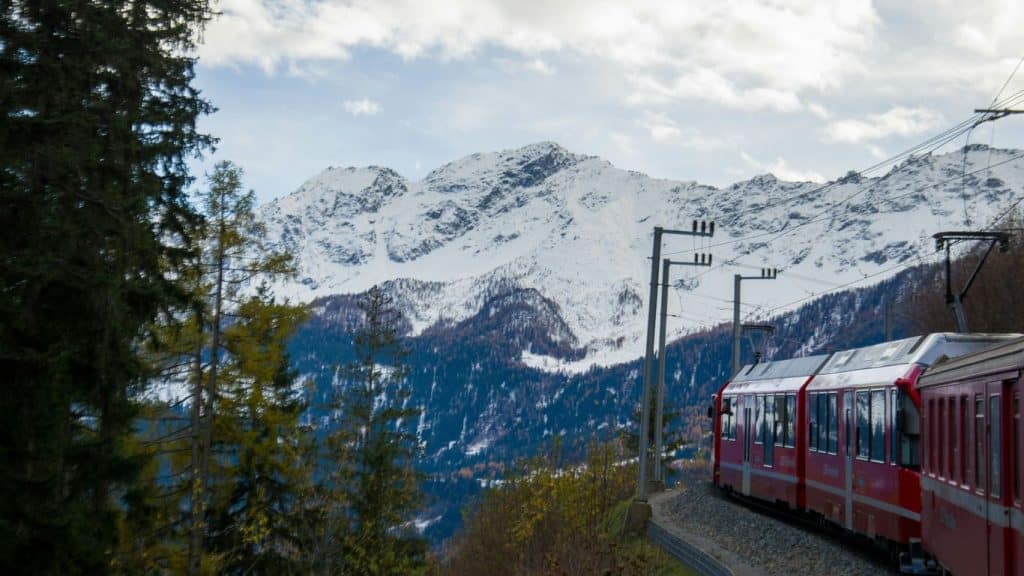
Deciding on a pass can seem a bit confusing at first, but it really comes down to how much you’ll be traveling and what kind of trips you’re taking. The main options are the Swiss Travel Pass, which covers most trains, buses, and even some boats and mountain railways, and the Half Fare Card. The Half Fare Card gives you 50% off most tickets, and it’s often a good deal if you’re not traveling every single day but still plan on taking several longer journeys.
It costs CHF 120 for a month, so do the math to see if it makes sense for your itinerary. Kids aged 6-15 often travel free with a paying adult who has a Half Fare Card, which is a nice bonus for families.
- Swiss Travel Pass: Good for unlimited travel on trains, buses, and public transport in cities, plus free entry to many museums. It’s a bit of an all-in-one solution.
- Half Fare Card: Offers 50% off most tickets, including Saver Day Passes and Supersaver fares. You pay an upfront fee, and then get discounts on individual journeys.
- Calculate Your Costs: Before you buy, estimate your travel costs. If the total cost of your planned journeys (using the Half Fare Card discount) is more than the card’s price, then it’s likely worth it.
Making the Most of Your Swiss Regional Trains Adventure
So, you’ve got your pass, you’re ready to explore, but how do you make sure your trip goes smoothly? It’s not complicated, really. Swiss trains are pretty straightforward, and most of the time, you can just show up and hop on. But a little planning goes a long way.
Tips for Buying Tickets and Passes
While many travelers opt for a Swiss Travel Pass for ultimate flexibility, it’s worth checking if individual tickets or a Half Fare Card makes more sense for your specific itinerary. The Half Fare Card costs CHF 120 for a month and gives you 50% off most fares. If you plan on taking several longer journeys, this could save you a good chunk of change. You can figure out if it’s worth it by comparing the cost of your planned trips against the card’s price. Remember, kids aged 6-15 often travel free with a parent holding a Half Fare Card, which is a fantastic bonus for families.
Understanding Fares and Discounts
Swiss train fares can seem a bit steep at first glance, but there are ways to manage them. Beyond the Half Fare Card, keep an eye out for Supersaver fares and Saver Day Passes, which can offer significant savings if you book in advance. These are especially good if you know your travel dates and times. For those under 26, there are often youth discounts available, so always check what applies to you. It’s a good idea to use the official SBB website or apps like Trainline to compare prices before you commit.
Traveling with Luggage, Bikes, and Pets
Traveling with gear is generally quite easy on Swiss trains. There aren’t usually strict weight limits or baggage fees for standard luggage; you just take it with you and find space on overhead racks or at the end of the carriage. If you’re bringing a bicycle, you’ll likely need a special bike ticket or pass, and it might need to be stowed in a designated luggage van.
For smaller pets, like dogs up to 30cm tall, they can travel for free if they’re in a carrier. Larger dogs usually travel at half the second-class fare, though a Dog Day Card might be more economical for longer trips. Always check the specific rules on the SBB website before you travel, especially for bikes and pets.
Don’t stress too much about language barriers. Station signs are usually in multiple languages or use clear pictograms, and announcements on longer routes are often in English. You’ll find that most people involved in the tourism industry speak at least some English.
When planning your routes, remember that while the main lines are efficient, some of the most breathtaking journeys are on slower, regional lines. These are often where you’ll find the most stunning scenic train journeys. So, while speed is great, sometimes taking the slightly longer, more scenic path is exactly what you came to Switzerland for.
Exploring Iconic Alpine Routes with Swiss Regional Trains
Switzerland is famous for its stunning mountain scenery, and the best way to experience it is often by train. Forget the hassle of driving; the Swiss rail network is incredibly efficient and offers some of the most breathtaking journeys in the world, all accessible with regional trains. These routes aren’t just about getting from point A to point B; they are destinations in themselves.
The Glacier Express Experience
The Glacier Express is often called the slowest express train in the world, and for good reason. It takes its time to wind through the heart of the Swiss Alps, connecting Zermatt with St. Moritz. This journey is a feast for the eyes, passing over 291 bridges and through 91 tunnels. You’ll see dramatic valleys, charming villages, and of course, the majestic Matterhorn and the Oberalp Pass. While it’s a popular route, the slow pace allows you to truly soak in the panoramic views from the comfort of your seat. It’s a fantastic way to see the country’s most famous peaks without any stress.
The Bernina Express and Golden Pass Line
Two other must-do scenic routes are the Bernina Express and the Golden Pass Line. The Bernina Express travels from Chur or St. Moritz down to Tirano in Italy, crossing the Alps via the UNESCO World Heritage Bernina Pass. It’s known for its dramatic viaducts, like the Brusio Circular Viaduct. The Golden Pass Line, on the other hand, offers a different kind of beauty, connecting Lucerne to Montreux on Lake Geneva.
This route takes you through diverse landscapes, from the central Swiss plateau to the shores of Lake Geneva, passing by charming towns and beautiful lakes. It’s a great way to see a variety of Swiss scenery on one trip. You can find more details about the Golden Pass Line and its different sections online.
Practical Advice for Swiss Regional Trains Travel
Checking Timetables and Station Information
Figuring out train times in Switzerland is pretty straightforward, thankfully. The Swiss Federal Railways (SBB/CFF/FFS) has a super reliable system. Your best bet is to use the SBB website or their mobile app. They have real-time information, including any delays or platform changes. Most station signs are also in English, German, French, and Italian, often with helpful pictures, so you won’t feel lost.
- Always check the departure board: Look for your train’s destination and departure time. Platforms can change!
- Use the SBB app: It’s fantastic for live updates and planning your journey on the go.
- Don’t stress about language: Pictograms and English signage are common at most stations.
Onboard Comforts and Amenities
Swiss trains are generally quite comfortable. You’ll find different classes, but even second class is usually pretty nice with good seating. Some longer routes might have a dining car or at least a snack bar, but it’s not guaranteed on every regional train. Many trains have space for luggage above your head or at the ends of the carriages. If you’re traveling with a bike, there are usually specific areas for them, but you might need a special ticket or pass for your bike.
- First Class: Offers more space and usually quieter travel, but it comes at a higher price. For most trips, second class is perfectly fine.
- Luggage: Just bring it with you! There are no strict weight limits, and you’ll find racks to store your bags.
- Food and Drink: You’re welcome to bring your own snacks and drinks onboard. Some trains have vending machines for quick buys.
Navigating Connections and Transfers
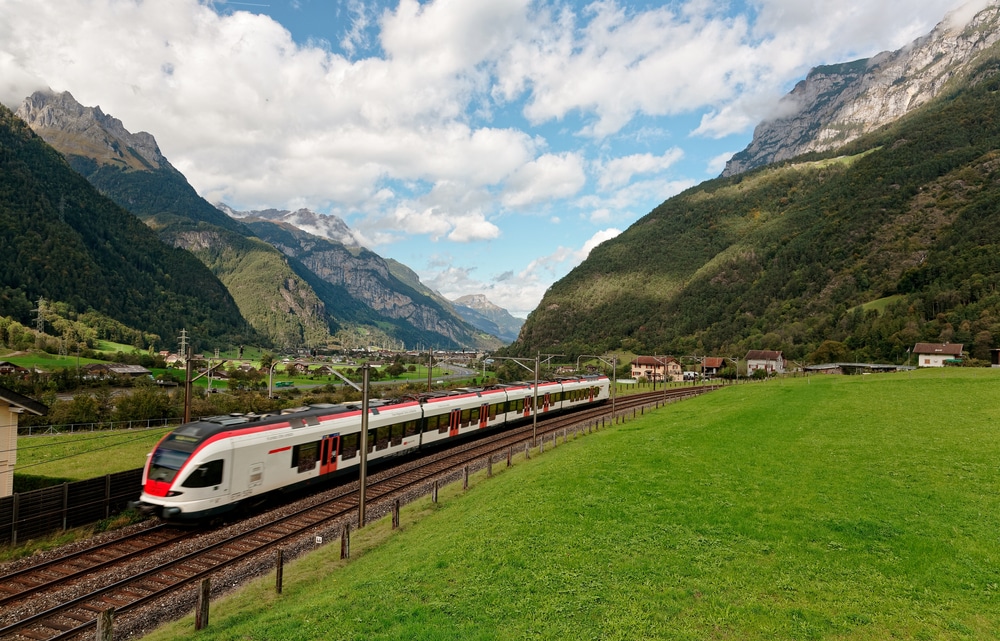
Switzerland’s train network is incredibly well-connected. Transfers are usually quite simple, especially in larger stations. The SBB app will show you your connection times, and often the platform for your next train. If you have a tight connection, don’t panic – Swiss trains are known for being punctual, and station staff are usually helpful if you need directions.
Key Tip: When planning your trip, look for connections with at least 5-10 minutes between trains. This gives you a little breathing room, especially if you’re not familiar with the station layout.
- Follow the signs: Look for signs indicating your next train’s platform number.
- Listen to announcements: Sometimes platform changes are announced.
- Ask station staff: If you’re unsure, don’t hesitate to ask for help.
Beyond the Mainlines: Hidden Gems on Swiss Regional Trains
Sure, the big scenic routes like the Glacier Express and Bernina Express get all the attention, and for good reason. They’re amazing! But if you want to really see what Switzerland is like, away from the main tourist trails, hopping on a regional train is where it’s at. These smaller lines often connect charming villages and offer views that are just as stunning, if not more intimate.
Exploring Smaller Towns and Villages
Switzerland has countless small towns and villages that are just begging to be explored, and regional trains are the perfect way to reach them. Forget the hustle and bustle; these places offer a slower pace of life and a genuine feel for Swiss culture. Think of places like Appenzell, with its colorful buildings and rolling green hills, or the picturesque village of Mürren, perched high above the Lauterbrunnen Valley and only accessible by cable car or train. You can easily spend a day just wandering through cobblestone streets, popping into local bakeries, and enjoying the quiet.
Scenic Routes Less Traveled
While everyone is rushing to catch the famous panoramic trains, consider some of the less-hyped but equally beautiful regional lines. For instance, the Zentralbahn line from Lucerne to Interlaken, while part of the GoldenPass route, has stretches that feel wonderfully local. Or take the train through the Emmental region, famous for its cheese, and enjoy the gentle, undulating countryside. These routes often run through valleys and alongside rivers, offering a different perspective of the Alps.
Here’s a little taste of what you might find:
- Appenzell: Known for its traditions and stunning pre-Alpine scenery.
- Gruyères: A medieval town famous for its cheese and castle.
- Scuol: Located in the Lower Engadine, offering thermal baths and access to hiking.
Connecting with Local Culture
Traveling on regional trains means you’re sharing your journey with locals. It’s a chance to observe daily life, maybe practice a few German, French, or Italian phrases, and get a feel for the real Switzerland. You might find yourself striking up a conversation with a friendly local who can offer tips on hidden viewpoints or the best place for a Rösti. It’s these unexpected interactions that often make a trip truly memorable. Plus, you can bring your own food and drinks on board, making it a budget-friendly way to travel and enjoy a picnic with a view. If you’re planning a longer trip, looking into a Swiss Half Fare Card could save you money on these regional journeys.
Traveling by regional train isn’t just about getting from point A to point B; it’s about the journey itself. It’s about slowing down, appreciating the details, and discovering the quiet beauty that lies just off the beaten path. These trains are the arteries of the country, connecting communities and offering a window into everyday Swiss life.
Wrapping Up Your Alpine Adventure
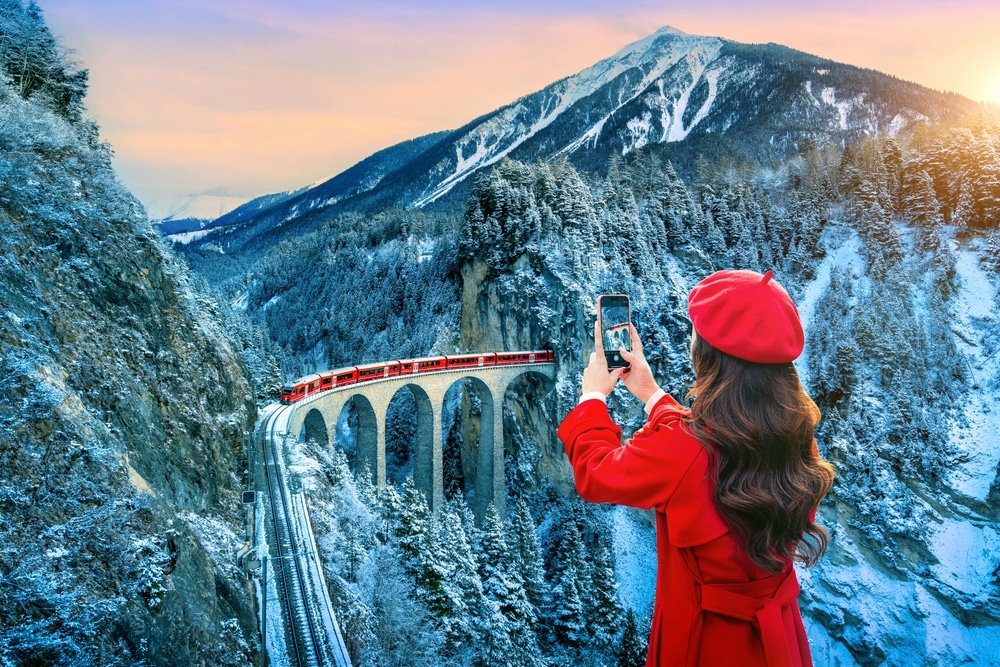
Traveling through the Swiss Alps by regional train is totally doable and, honestly, pretty awesome. You get to see all the amazing scenery without the hassle of driving or the cost of those super-fast, touristy trains. Remember, the Swiss train system is super reliable, so you can just hop on and enjoy the ride. Pack some snacks, maybe a good book, and get ready for some unforgettable views. It’s a fantastic way to experience Switzerland at your own pace. Happy travels!
