


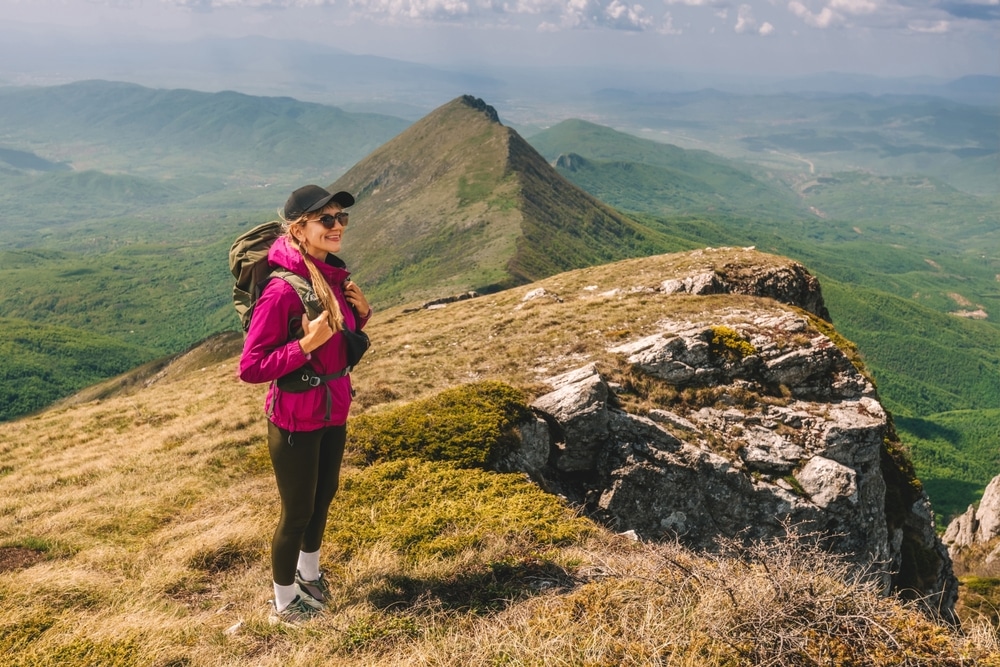
If you’ve been dreaming of a budget-friendly journey through Europe but feel discouraged by skyrocketing prices in the usual hotspots, the Balkans might just be exactly what you’re looking for. This rugged, culturally rich, wildly diverse region has become one of the world’s top choices for long-term budget travel, and with good reason.
Whether you’re into mountains, beaches, ancient towns, vibrant nightlife, or untouched nature, the Balkans deliver—all at a fraction of the cost of Western Europe. It’s no surprise that travelers are searching for the best balkans backpacking route to experience it all without draining their bank account. With easy border crossings, welcoming locals, and an eclectic mix of languages and traditions, backpacking the Balkans feels both adventurous and incredibly accessible.
This guide lays out everything you need to map out the perfect trip.
Why the Balkans Are Europe’s Last Affordable Adventure
The Balkans are one of the last regions in Europe where backpackers can still stretch their budget without sacrificing unforgettable experiences. While prices in places like Spain, Italy, and France continue to rise, the Balkans offer daily travel costs that rival Southeast Asia—something almost unheard of in Europe today.
Most travelers can comfortably backpack through the region on €25–€50 per day, depending on the country and travel style. Hostel dorms range from €8 to €18, hearty local meals often cost under €5, and buses between major cities rarely exceed €20. Combine this affordability with a fascinating mix of Mediterranean, Slavic, and Ottoman influences, and you get a travel circuit that feels truly unique.
Safety is also far better than many expect—most Balkan countries have very low crime rates and vibrant backpacker communities. The locals are famously welcoming and often go out of their way to help travelers. Because the region is relatively compact, you can cover an impressive amount of ground without long travel days or expensive transport.
The Perfect Balkans Backpacking Route (Your Ultimate Circuit)
If you want to see the most iconic cities, natural wonders, and cultural highlights while staying flexible, this route offers the best overall flow. It includes the classics, the hidden gems, and the ultra-cheap destinations that make the Balkans magical.
Croatia: Zagreb → Plitvice → Zadar → Split
Croatia is often the gateway into the Balkans. While coastal hotspots like Dubrovnik can be pricey in summer, the shoulder seasons (April–June and September–October) offer a perfect balance of affordability and great weather.
- Start in Zagreb, a laid-back capital full of café culture.
- Head to Plitvice Lakes National Park, with its turquoise cascades.
- Continue to Zadar and then Split, where Roman ruins meet beach life.
Croatia is the most expensive country on this route, so consider shorter stays to keep your budget balanced.
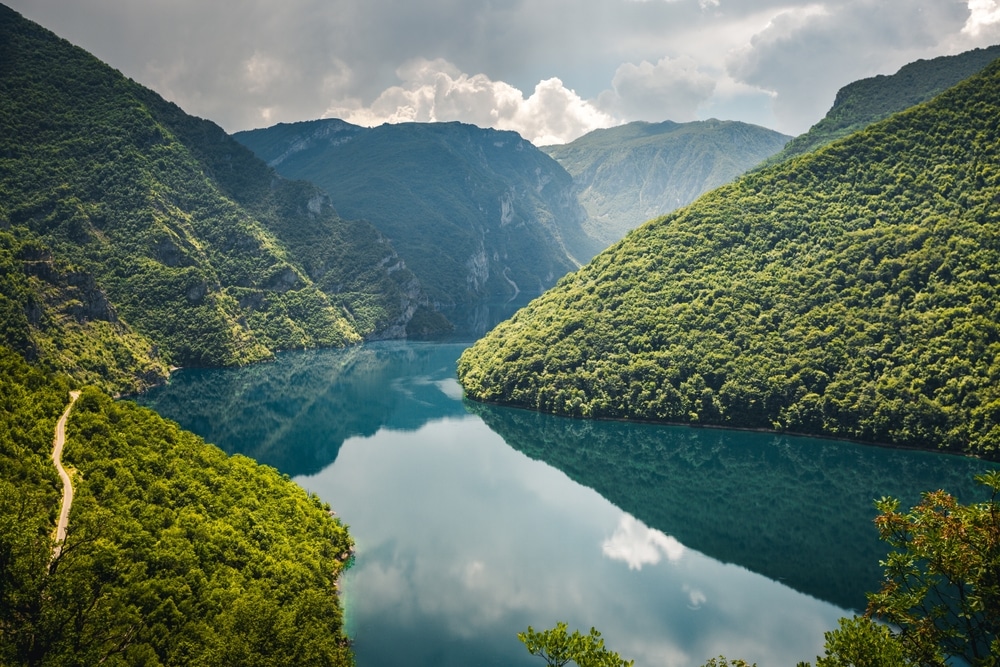
Bosnia & Herzegovina: Mostar → Sarajevo
Crossing into Bosnia feels like stepping into another world. It’s intensely atmospheric, historically rich, and wonderfully affordable.
- Mostar’s Stari Most bridge is one of the most photographed spots in Europe.
- Sarajevo blends East and West more seamlessly than perhaps any other European city.
- Street food—like cevapi, burek, or pita—costs next to nothing.
Nature lovers can also explore rivers, waterfalls, and hiking trails around Konjic and Jablanica.
Montenegro: Podgorica → Kotor → Budva
Montenegro packs a massive punch for its size.
- Kotor Bay offers fjord-like scenery, budget hostels, and spectacular hikes.
- Budva is ideal for nightlife and beaches.
- Inland, the Durmitor National Park offers some of Europe’s best-value outdoor adventures.
Montenegro is one of the most visually breathtaking countries in the region—prepare to be surprised.
Albania: Shkodër → Tirana → Berat → Gjirokastër → Himarë
Albania is quickly becoming the Balkan backpacker capital.
- Shkodër serves as the gateway to the Accursed Mountains.
- The Valbona–Theth trek is a must for adventure travelers.
- Tirana, the capital, is full of color, culture, and nightlife.
- Berat and Gjirokastër, both UNESCO towns, offer charm at very low prices.
- The Albanian Riviera rivals Greece in beauty but costs a fraction of the price.
Many travelers end up staying longer than planned—Albania is that special.
North Macedonia: Skopje → Lake Ohrid
North Macedonia is peaceful, historic, and incredibly cheap.
- Skopje mixes quirky statues with Ottoman bazaars.
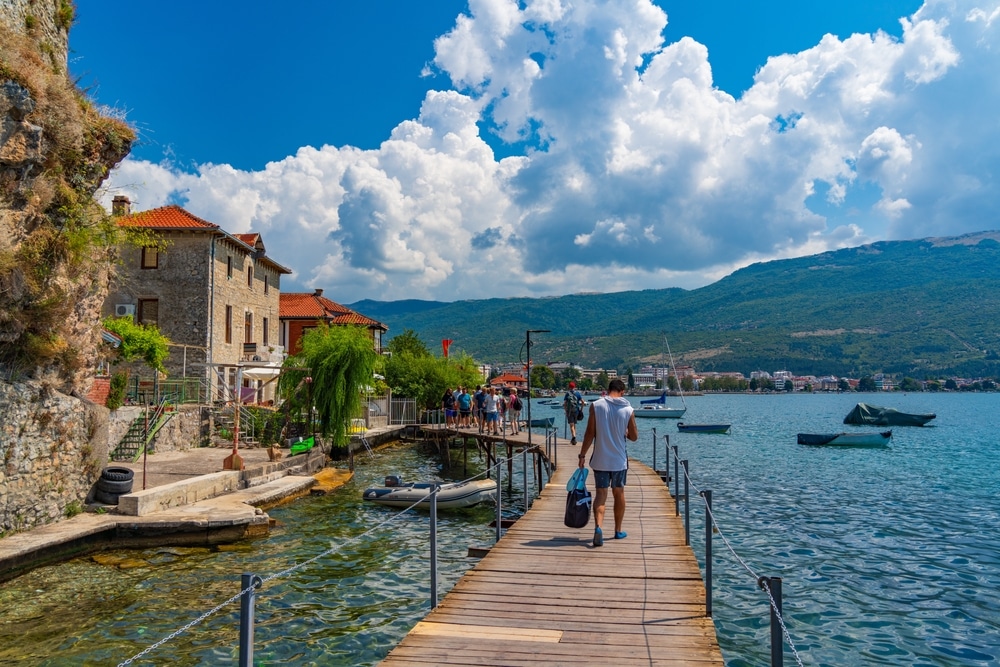
- Lake Ohrid is one of Europe’s oldest and deepest lakes, perfect for relaxation.
Accommodations can be shockingly inexpensive—private rooms often cost less than €20.
Kosovo: Pristina → Prizren
Kosovo is Europe’s newest country and full of youthful energy.
- Pristina, the capital, has excellent cafés and nightlife.
- Prizren offers ancient fortresses, mountain views, and a charming riverside old town.
Kosovo is one of the cheapest destinations in Europe—ideal for stretching your budget.
Serbia: Belgrade → Novi Sad
Serbia is known for great nightlife, hearty food, and friendly locals.
- Belgrade is legendary for its riverside party scene.
- Novi Sad hosts the famous EXIT festival in summer.
- Street food and bakeries make eating cheap and delicious.
Serbia also has efficient bus routes and low-cost connections to nearby countries.
Bulgaria: Sofia → Plovdiv → Veliko Tarnovo → Varna
Bulgaria is where many travelers end their Balkan adventure—or, if traveling clockwise, where they begin.
- Sofia is modern but full of history.
- Plovdiv, Europe’s oldest continuously inhabited city, is a highlight.
- Veliko Tarnovo is perfect for medieval atmosphere.
- Varna or Burgas offer Black Sea beaches for summer travel.
Bulgaria is ideal for slow travel and offers great value throughout the year.
Costs, Accommodation, and Budget Breakdown
One of the biggest advantages of backpacking the Balkans is how easy it is to keep expenses under control without sacrificing comfort or fun.
Daily Budget Estimate
- Ultra-budget travelers: €20–€30/day
- Comfort backpackers: €30–€45/day
- High-comfort but still frugal: €45–€60/day
Accommodation
Hostels across the Balkans are modern and social.
- Dorm beds: €7–€18
- Private rooms: €20–€35
Albania, Kosovo, Bosnia, and North Macedonia are the cheapest; Croatia and Montenegro are the most expensive.
Food & Drink
Local dishes are affordable everywhere.
- Street food: €1.50–€3
- Restaurant meals: €4–€10
- Beer: €1–€2.50
If you love bakeries, the Balkans will feel like heaven.
Transportation
Buses are the backbone of Balkan travel.
- Intercity routes: €3–€15
- Long-distance routes: rarely over €20
Ride-sharing apps like BlaBlaCar also work well.
When to Visit
- Best overall: April–June, September–October
- Summer: Ideal for beaches but more expensive
- Winter: Great for cities; mountain regions get snow
Transportation Guide — How to Travel Around the Balkans Cheaply
Traveling through the Balkans is simple once you understand how the region works.
Buses
The bus network is the most reliable and extensive. Expect comfortable vehicles, air-conditioning in summer, and multiple departures daily between major cities.
Trains
Train travel is possible in Serbia, Croatia, Bulgaria, and North Macedonia, but it’s slower. Still, some routes—like Belgrade to Bar—are scenic highlights.
Ferries
Croatia and Montenegro have ferry lines along the Adriatic. Greece connections are possible from Albania.
Hitchhiking
Extremely common and surprisingly safe in rural areas. Drivers often go out of their way to help.
Car or Scooter Rentals
Perfect for exploring coastline areas and national parks. Rentals can be as low as €15–€20/day outside peak season.
Food, Culture, and Experiences You Shouldn’t Miss
Local Food Specialties
- Ćevapi in Bosnia and Serbia
- Burek everywhere
- Šopska salad in Bulgaria
- Byrek in Albania
- Fresh seafood on the Adriatic coast
Meals are big, flavorful, and often incredibly cheap.
Cultural Highlights
- Ottoman towns
- Monasteries in Serbia and Bulgaria
- Medieval fortresses
- Ancient Roman and Greek sites
Nature & Adventure
- Hiking the Accursed Mountains
- Swimming in Lake Ohrid
- Exploring Plitvice and Krka
- Sunset hikes in Kotor
- Paragliding in Montenegro
The Balkans feel tailor-made for adventure lovers.
Safety, Border Crossings, and Practical Tips for Backpackers
Safety
The Balkans are much safer than their outdated reputation suggests. Pickpocketing exists in tourist zones but serious crime is rare.
Border Crossings
Most are quick and efficient. Always check if your passport stamp is needed when entering or exiting.
SIM Cards & Internet
Local SIM cards are extremely cheap—often €5–€10 for generous data plans.
Language Tips
English is widely spoken among younger people, especially in cities. In rural areas, hand gestures and smiles work just fine.
Scams
Very uncommon, but watch out for overpriced taxis or unofficial tour sellers.
Best Travel Itineraries (1-Week, 2-Week, 4-Week)
1-Week Highlights Route
Ideal for fast travelers or weekend warriors.
Zagreb → Sarajevo → Mostar → Kotor → Tirana
2-Week Balanced Route
A great mix of cities, culture, and nature.
Zagreb → Split → Mostar → Sarajevo → Kotor → Tirana → Ohrid → Skopje
4-Week Deep Dive Route
Perfect for slow travelers who want everything.
Croatia → Bosnia → Montenegro → Albania → North Macedonia → Kosovo → Serbia → Bulgaria
Why the Balkans Belong on Every Backpacker’s List
If you’re dreaming of a long, exciting, affordable adventure that still feels distinctly European, the Balkans offer a combination you won’t find anywhere else. This region is raw, beautiful, and endlessly surprising, with every country offering something unique. Planning your journey along a well-structured route makes it easy to experience different cultures, landscapes, and histories without breaking your budget. Whether you’re a first-time traveler or a seasoned explorer, the Balkans are one of the best travel circuits you can take—and the perfect place to create stories you’ll talk about for years.
