



Have you ever fantasized about trading grey office days for sunshine, ocean views, and the kind of laid-back lifestyle that instantly lowers your stress levels? Then the Canary Islands make that dream surprisingly realistic. Long known as a tourist escape, the islands have quietly evolved into one of the most appealing remote-work destinations in Europe. They offer a rare combination: year-round warm weather, modern infrastructure, stable and fast internet connections, affordable living costs, and a culture that naturally encourages balance. More importantly, living here is easy, even if you’re coming from outside Spain.
So whether you want to stay a few months, escape winter entirely, or settle in long-term, this guide gives you everything you need — visas, neighborhoods, Wi-Fi quality, monthly costs, and insider tips to help you decide if canary islands remote work is the lifestyle upgrade you’ve been craving.
Why Remote Workers Are Flocking to the Canary Islands
Sunshine and Perfect Weather All Year
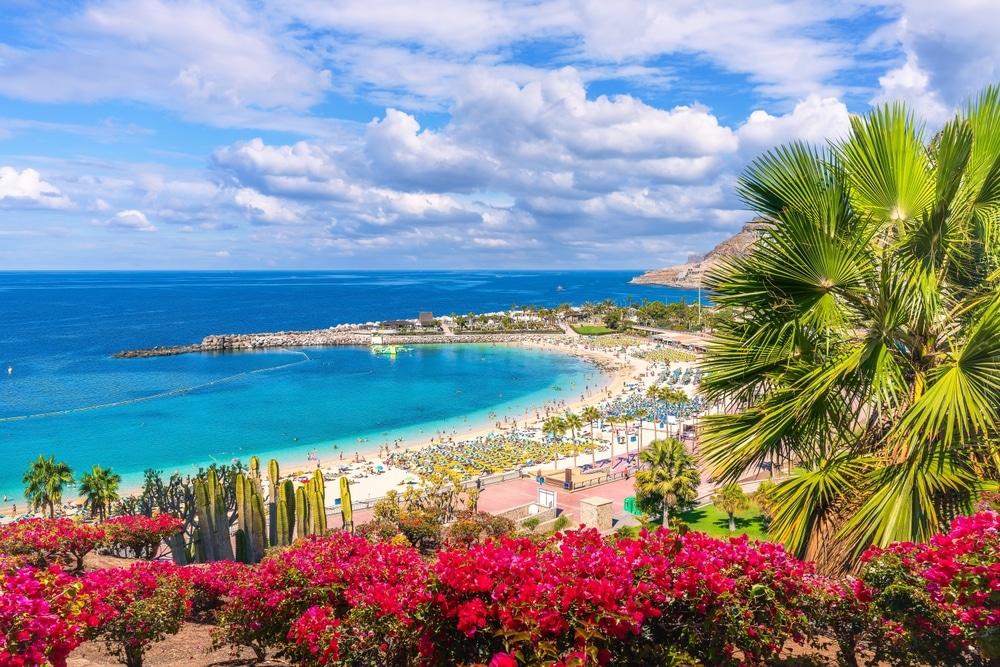
While much of Europe bundles up for half the year, the Canary Islands remain consistently warm, bright, and comfortable — even during mid-winter. Temperatures usually rest between 20°C and 28°C, with gentle breezes and minimal rainfall. That creates the kind of environment where you can work from outdoor cafés, join a sunset yoga session after a meeting, or squeeze in a surf lesson before lunch without worrying about weather ruining your plans.
The consistency of the climate is one of the biggest reasons digital nomads choose the islands: you can build a routine based on the outdoors, and that alone makes workdays feel more energizing and sustainable.
A Surprisingly Affordable Island Lifestyle
Despite the island setting, the cost of living is significantly lower than most major European cities. Because the Canary Islands operate under their own tax system — with IGIC at only 7% compared to the typical 21% VAT in mainland Spain — groceries, dining out, and everyday essentials come at noticeably lighter prices.
You can enjoy fresh produce, eat high-quality local dishes, and still spend less than you would in Amsterdam, London, Berlin, or Dublin. Even rent remains manageable, especially if you avoid short-term tourist hotspots. This affordability allows remote workers to enjoy a high quality of life without constantly monitoring expenses or compromising on experiences.
A Strong Digital Nomad Community
One of the biggest reasons people stay longer than expected is the remote-worker community. The Canary Islands — especially Gran Canaria, Tenerife, and Fuerteventura — have created a unique ecosystem where digital nomads, freelancers, and entrepreneurs naturally connect through coworking spaces, beach cleanups, weekly meetups, and café work sessions. The community is inclusive, international, and always in motion.
Whether you’re looking for friendship, collaboration, or simply a sense of belonging, the islands make it easy to start conversations and build a social circle in a matter of days.
Visa Options for Remote Workers
Short-Stay (No Visa Needed) for EU/Schengen Residents
If you’re from the EU or Schengen area, working remotely from the Canary Islands couldn’t be easier. You can arrive with just your ID card and legally stay, work, and move between islands for as long as you want. There’s no need for a special visa, and you can sign long-term leases, access services, and integrate into local life seamlessly. For stays longer than three months, it’s recommended (and in some cases required) to register for an NIE and empadronamiento, but the process is very manageable and typically completed with a few appointments.
Spain’s Digital Nomad Visa Explained
Non-EU citizens can still enjoy the Canary Islands thanks to Spain’s Digital Nomad Visa, which has quickly become one of the most attractive remote work visas in Europe. It’s designed specifically for remote employees or freelancers working for companies outside Spain. To qualify, you generally need proof of employment or freelance contracts, a steady income of roughly €2,240–€2,500 per month (subject to slight policy updates), and either a university degree or proof of relevant work experience. You’ll also need private health insurance and a clean background check. The visa is typically issued for up to 12 months and can be extended up to five years, making it ideal if you fall in love with island life — which many people do.
Long-Term Living: NIE & Empadronamiento
Planning to stay longer than three to six months? You’ll want to obtain an NIE (foreigner identification number), which is used for everything from renting an apartment to setting up utilities. You may also need to register with your municipality (empadronamiento), which helps with residency, public services, and in some cases healthcare access. While Spanish bureaucracy has a reputation for being slow, the Canary Islands tend to be more relaxed than mainland cities, and most people complete their paperwork with just a bit of patience and preparation.
Taxes and What to Know
Most remote workers won’t become Spanish tax residents unless they stay more than 183 days per year. If you do decide to stay and work long-term, the Digital Nomad Visa includes a special tax regime that lowers your tax rate for several years. This makes Spain one of the more financially attractive options for remote professionals, especially compared to countries that heavily tax foreign income.
Best Places to Live in the Canary Islands as a Remote Worker
Tenerife — The Most Popular Island
Tenerife offers an incredibly balanced lifestyle. The northern areas — Santa Cruz and La Laguna — have city-like convenience with excellent public transportation, walkable streets, and plenty of cafés. The south, including Costa Adeje and Los Cristianos, offers sunshine nearly every day of the year, plus beaches and coworking spaces. It’s the perfect island if you want strong infrastructure while still enjoying island life.
Gran Canaria — Digital Nomad Capital
Las Palmas in Gran Canaria has become one of Europe’s top digital nomad destinations. Its long Las Canteras beach, vibrant restaurant scene, and cluster of coworking hubs create a friendly environment where remote workers immediately feel at home. Many people come for one month and end up staying six because the blend of community, surf culture, and efficiency is hard to match anywhere else in Europe.
Fuerteventura — Quiet, Super Relaxed, and Scenic
Fuerteventura is the place to go if you want wide-open beaches, minimal stress, and a slower rhythm. The island is known for wind, waves, and stunning dunes. Corralejo, the main nomad town, has plenty of cafés with strong Wi-Fi, a few coworking spots, and a calm but active expat community. It’s ideal if you want peaceful days and outdoor adventures in between work sessions.
Lanzarote — Dramatic Landscapes and Creative Vibes
Lanzarote’s volcanic scenery and César Manrique-inspired architecture make it one of the most visually unique places to live. Creatives, artists, and photographers especially love it here. The lifestyle is relaxed, the views are dramatic, and the energy feels different from the larger islands.
La Palma, La Gomera, and El Hierro — Off-Grid Options
These islands are perfect if you prefer nature, hiking, and tranquility over coworking spaces and nightlife. While the internet is still reliable in towns, the pace of life is much slower. These islands attract remote workers who want deep focus, minimal distractions, and lots of outdoor time.
Internet Speeds, Wi-Fi Quality, and Coworking Spaces
Average Internet Speeds
One of the best surprises for newcomers is the quality of internet. The Canary Islands invested heavily in digital infrastructure, and as a result, fiber optic coverage is excellent. Many apartments offer 300 Mbps to 600 Mbps connections, and 1 Gbps lines are increasingly common. This reliability makes video calls, large file uploads, and heavy workloads easy to manage without interruption.
Fiber Optic Availability
Most cities and towns — especially in Tenerife and Gran Canaria — have full fiber coverage. Even smaller islands often have strong connections in populated areas. This makes it easy to work from cafés, from home, or from coworking spaces without worrying about unstable speeds.
Mobile Data Coverage
Telecom providers like Movistar, Orange, and Vodafone offer generous prepaid and monthly packages. Coverage is strong across most islands, including rural zones. For backups, tethering from a mobile hotspot works well, which is invaluable if you plan to work outdoors or while traveling between different towns.

Popular Coworking Spaces
Coworking culture is strong here. Spaces often organize workshops, group meals, mastermind sessions, and networking events — so they’re more than just places to work. Monthly memberships range between €120 and €200, depending on the island and level of access. Many also offer day and weekly passes. It’s easy to find a community that suits your style, whether you prefer quiet spaces or more social environments.
Canary Islands Remote Work: What to Expect Day to Day
Work-Life Balance
Daily life in the Canary Islands tends to shift your mindset almost instantly. The combination of fresh air, sunshine, slower rhythms, and accessible nature creates a more grounded approach to work. Many remote workers find they become more productive because they feel calmer and more energized. It’s common to see people start their day with a swim, take calls from a rooftop, or unwind with a sunset walk — and those simple routines make the workday feel far more enjoyable.
Cultural Differences Remote Workers Notice
Spain’s pace is typically slower than northern Europe’s, and the islands amplify that. Shops may close during midday hours, meals happen later, and social gatherings can stretch long into the night. It’s a lifestyle that values connection and enjoyment, and many remote workers quickly embrace it. However, it also means you’ll want to adapt your expectations — especially around bureaucracy, which can be relaxed and patient… very patient.
Pros and Cons
Pros:
– Excellent year-round climate
– Affordable daily living
– Friendly, international community
– Reliable Wi-Fi and modern infrastructure
– Natural beauty that’s energizing, not distracting
Cons:
– Bureaucracy can move slowly
– Some areas get crowded during peak tourism
– Renting long-term in hot spots can be competitive
– Island life may feel small after several months
Living Costs: How Much You’ll Spend Per Month
Rent Prices
While prices fluctuate by island and season, the Canary Islands remain more affordable than almost any major European city. Expect the following ranges:
– €700–€900 for a one-bedroom apartment in central urban areas like Las Palmas or Santa Cruz
– €850–€1,200 for furnished rentals in tourist-heavy zones
– €500–€700 in smaller towns with lower demand
Many remote workers choose medium-term rentals (one to six months), which balance comfort with flexibility.
Food & Groceries
Groceries are fresh and inexpensive thanks to the island’s favorable tax system and proximity to local produce. Expect to spend €40–€70 per week on groceries depending on your habits. Eating out is also wallet-friendly, with local restaurants offering high-quality meals for reasonable prices. Tapas, fresh fish, and Canarian specialties are accessible even on a budget.
Transportation
Public transportation varies by island, but buses are generally reliable and inexpensive. Car rentals are surprisingly affordable at €20–€30 per day, and fuel is usually cheaper than in mainland Europe. Many remote workers rent a car occasionally to explore or book long-term rentals when staying outside major city centers.
Leisure Costs
Active lifestyles thrive here. Gym memberships average €35–€50 per month, surf lessons cost around €35–€45, and most outdoor activities — hiking, exploring volcanic landscapes, wandering beaches — are free. Because nature is always nearby, you spend less on entertainment and more time simply enjoying your surroundings.

Realistic Monthly Budget
– Stripped-back budget: €1,100–€1,300
– Comfortable and balanced: €1,500–€1,800
– Premium lifestyle with extras: €2,200+
Even with a comfortable lifestyle, you’re likely to spend less than in major European cities.
Best Neighborhoods for Remote Work
Las Palmas (Gran Canaria)
With a long beachfront promenade, diverse international restaurants, numerous coworking hubs, and a bustling city center, Las Palmas offers the perfect blend of city life and beach access. It’s vibrant, spacious, and one of the easiest places to build a social network.
Santa Cruz & La Laguna (Tenerife)
These cities offer excellent Wi-Fi, walkable streets, strong coworking culture, and affordable rent. La Laguna’s historic center adds charm, while Santa Cruz provides more modern conveniences.
Corralejo (Fuerteventura)
Corralejo balances beach living with convenience. The expat community is strong, the pace is slow, and the natural surroundings — dunes, beaches, volcanoes — make every day feel refreshing and uncluttered.
Puerto del Carmen / Costa Teguise (Lanzarote)
These neighborhoods are clean, calm, and ideal if you want a balance of nature and accessibility. The landscapes are stunning, and the vibe feels peaceful but not isolated.
Practical Tips Before You Go
Pick the Island Based on Your Work Style
If you want a bustling nomad community, Gran Canaria is unmatched. For a blend of city and nature, Tenerife is perfect. If tranquility and beaches matter more, Fuerteventura is ideal. Consider what energizes you during the workday — community, quietness, scenery, or convenience — and choose accordingly.
How to Find Housing
Idealista and Fotocasa are the biggest platforms for rentals, while Spotahome offers medium-term stays. Facebook groups can also be surprisingly helpful, especially for furnished apartments or winter-month rentals. Be prepared for competition during peak season (December–March), and book early if you’re arriving then.
Must-Have Apps
From local bus apps (Titsa and Guaguas) to mobile payment systems like Bizum, the islands are digital-friendly. Meetup groups, WhatsApp communities, and coworking Slack channels help you connect, stay informed, and make plans easily.
Healthcare
Healthcare standards are excellent, and the islands have modern hospitals and clinics. EU citizens can use an EHIC card for temporary stays, while Digital Nomad Visa holders must have private health insurance. Pharmacies are plentiful and accessible.
Money & Banking
ATMs are everywhere, and fintech banks like Revolut and Wise work smoothly. Many locals also use Bizum for quick peer-to-peer payments, though it requires a Spanish bank account.
How to Meet People and Build a Social Life
Digital Nomad Events
Weekly meetups, coworking events, skill exchanges, and language tandems are common across the islands. These events attract people from all backgrounds and make it incredibly easy to build a social circle.
Sports and Social Activities
Surf classes, snorkelling groups, hiking clubs, yoga studios, and climbing gyms offer plenty of ways to stay active and meet like-minded people. Many remote workers join these groups early to quickly integrate into local life.
Online Communities
WhatsApp groups, Facebook communities, and coworking Slack channels offer a constant stream of events, apartment listings, volunteering opportunities, and casual meetups. They’re essential for staying connected.
Is Working Remote From the Canary Islands Worth It?
If you’re searching for a destination that offers warm weather, strong infrastructure, a genuinely welcoming community, and a healthier daily rhythm, the Canary Islands deliver all of that and more. They make it easy to balance productivity with lifestyle, offering ocean views, fresh air, and an active community that keeps life both exciting and grounded. Whether you stay for a quick escape or commit to long-term living, this is a place where your work-life balance truly improves.
For anyone considering canary islands remote work, the answer is simple: it’s one of the best decisions you can make if you value freedom, community, and a better quality of life.