


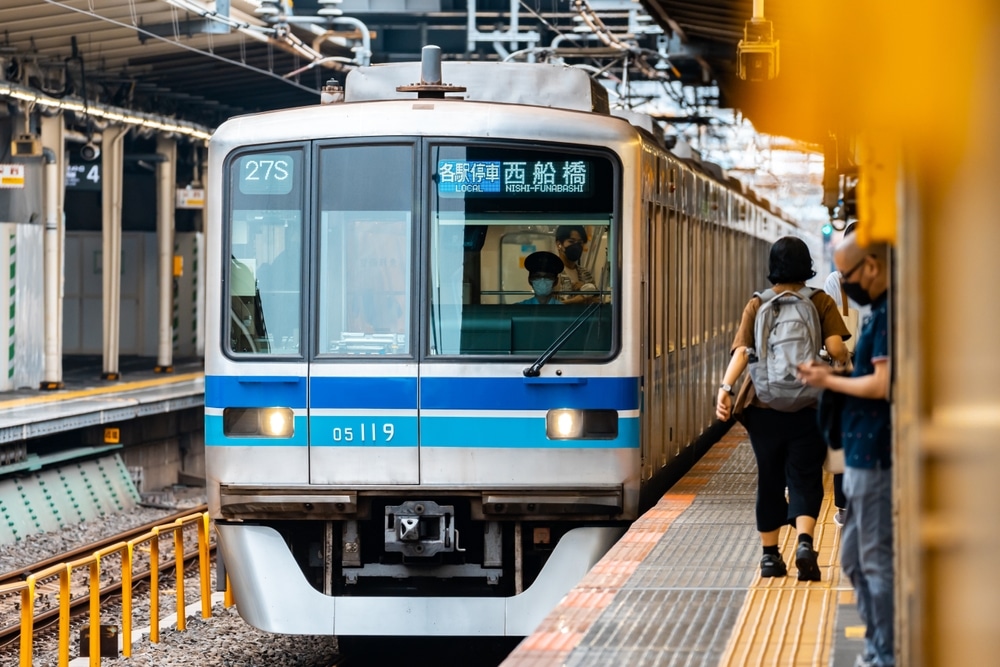
Japan is famous for its ultra-efficient trains, lightning-fast shinkansen, and the iconic JR Pass—but also for the eye-watering price tags that come with it. Many travelers assume the JR Pass is the only way to move around comfortably. But here’s the reality: for most trips, you simply don’t need it. With the right japan transport tips, you can explore Japan like a local, save a lot of money, avoid tourist traps, and enjoy a smoother, more flexible trip. This guide gives you every trick, hack, and transport secret that long-term travelers and locals already know.
Why You Don’t Actually Need a JR Pass for Most Trips
For years, the JR Pass was a bargain—especially for anyone traveling long distances. But since its significant price increase, the math often doesn’t work anymore. What travelers don’t realize is that many Japanese itineraries don’t rely on frequent shinkansen rides at all.
Tokyo, Osaka, Kyoto, Fukuoka, Nagoya—every major city has robust metro and bus networks that aren’t part of JR, and those usually end up being your primary form of transport. The JR Pass doesn’t cover the vast majority of Tokyo Metro lines, nor does it cover Kyoto’s bus system, Osaka’s private lines, or countless convenient local trains.
Most travelers spend a week in Tokyo, Kyoto, or Osaka, taking short trips within the city. A JR Pass barely gets used in that scenario. Add flexible pay-per-use systems and affordable regional passes, and the JR Pass becomes unnecessary for more than half of visitors.
The One Major Exception: When the JR Pass Saves You Money
There is one itinerary where the JR Pass still shines:
Tokyo ⇄ Kyoto/Osaka round trip + at least one extra long-distance shinkansen trip (like Hiroshima, Kanazawa, or Nagano).
A simple Tokyo–Kyoto return already costs a lot. Add another long hop and the Pass becomes worthwhile—but only if you’re using shinkansen frequently in a short timeframe.
However, for 80% of travelers—those spending time exploring neighborhoods, taking day trips nearby, riding metros, or traveling regionally—the JR Pass costs more than it saves.
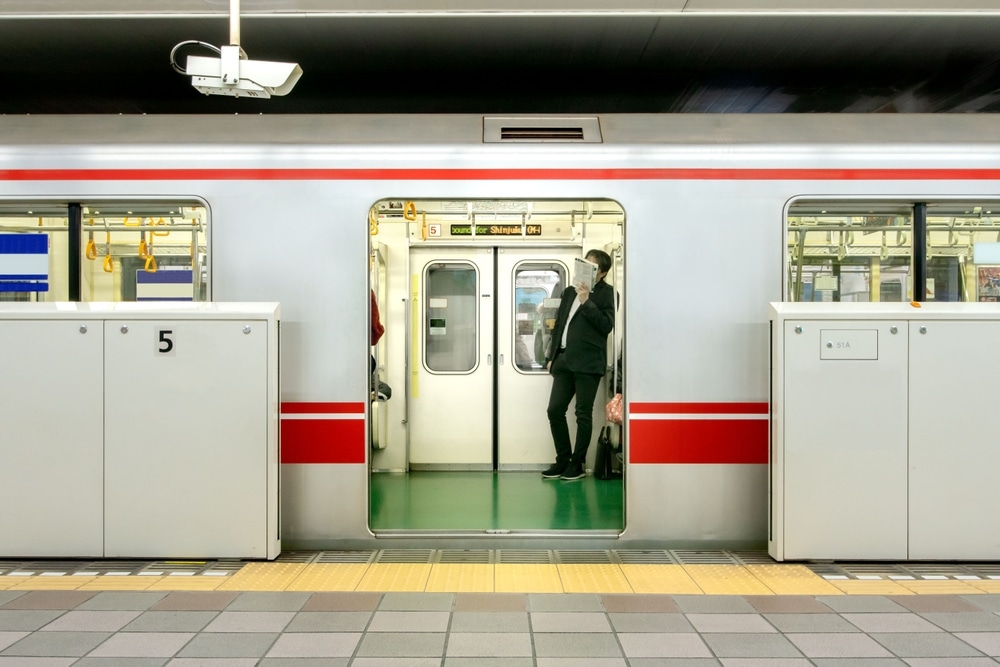
The Ultimate Japan Transport Tips
This is where the magic happens. These insider strategies will help you move around Japan cheaply, efficiently, and without confusion—no JR Pass required.
Use IC Cards (Suica, PASMO, ICOCA) for Seamless Travel
Japan’s IC cards are the single easiest way to get around:
- Tap to enter any metro or local train
- Tap when you exit, and you’re charged the exact fare
- Works on nearly all buses
- Can be used in convenience stores, vending machines, and taxis
- Can be topped up anywhere
Whether you’re in Tokyo, Kyoto, Osaka, or Fukuoka, your IC card works almost everywhere. You avoid buying individual tickets and never have to calculate fares.
Pro tip:
Use the mobile version (Apple Wallet / Android) to avoid the deposit and skip physical ticket counters entirely.
Choose Buses Over Trains in Kyoto and Some Smaller Cities
Japan’s train network is outstanding, but not every city relies on rail the same way.
Kyoto, for example, is a bus-first city. Many temples and historic sights—Kinkaku-ji, Ginkaku-ji, and Kiyomizu-dera—are not close to train stations.
Kyoto hacks:
- Ride the Kyoto City Bus for most sightseeing
- Use the Kyoto Bus & Subway One-Day Pass
- Avoid peak times when buses fill up by starting early
Outside big metros, buses are often the cheapest and most direct way to travel.
Mix and Match Regional Rail Passes Instead of JR Pass
Japan’s best-kept secret is its collection of regional passes. These often cost a fraction of the JR Pass but cover more practical routes.
Top examples:
- Kansai Thru Pass (Osaka / Kyoto / Kobe / Nara)
- Tokyo Subway Ticket (24/48/72 hours)
- Hakone Freepass
- Hokkaido Rail Pass
- Kyushu SunQ Bus Pass (unlimited buses!)
These passes cover private lines that you’ll use far more than JR inside cities.
Overnight Buses: The Cheapest Way to Travel Long Distances
If you want the biggest savings, overnight buses are unbeatable.
A Tokyo → Osaka shinkansen costs a lot.
A Tokyo → Osaka overnight bus can be as cheap as €20–30.
Bonus benefits:
- No hotel cost for that night
- Comfortable reclining seats
- Quiet, safe, and clean
- Many options offer blankets, footrests, and privacy shields
Companies like Willer Express even allow English booking.
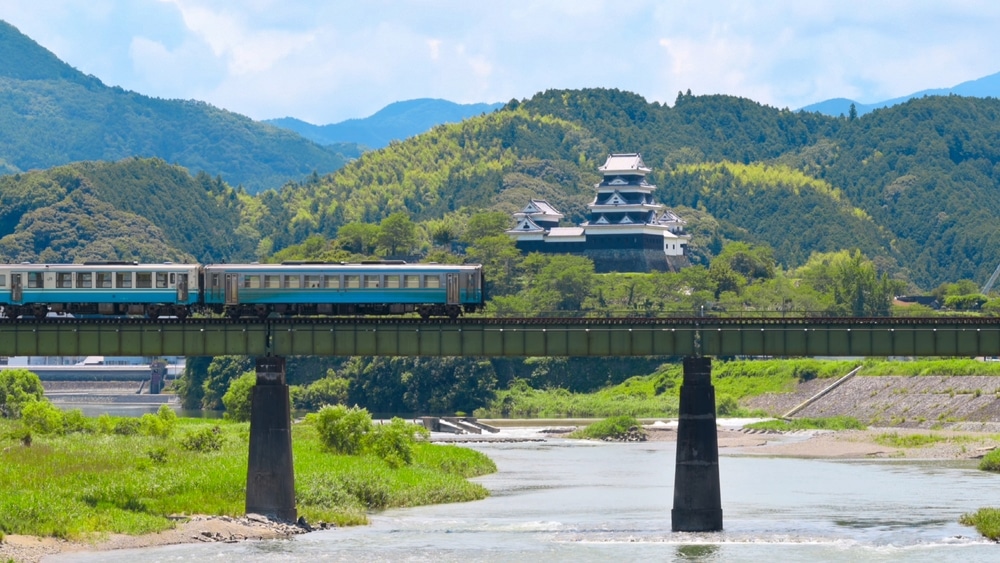
Understanding Japanese Metro Systems (Tokyo, Osaka, Kyoto)
Each major city has its own layout, and knowing the system saves time and money.
Tokyo: A Maze That’s Actually Easy With Apps
Tokyo’s two main companies—Tokyo Metro and Toei—operate most subway lines. JR runs some above-ground urban lines, but they don’t cover everything.
For visiting:
- Shibuya
- Asakusa
- Roppongi
- Ueno
- Shinjuku
- Ginza
…you’ll often use non-JR lines.
The cheapest strategy is to buy a Tokyo Metro Pass for 24, 48, or 72 hours. These passes cover unlimited rides and cost far less than a JR Pass day.
Osaka: The Midosuji Master Route
Osaka’s red Midosuji Line is your new best friend. It connects:
- Osaka Station
- Umeda
- Shinsaibashi
- Namba
- Tennoji
Almost every iconic spot sits on this single route. Day passes are available and extremely cheap.
Kyoto: The City Where Buses Beat Trains
Kyoto’s two subway lines barely scratch the surface of the city. Buses fill the gap.
Best approach:
- Use IC card
- Buy a day bus ticket
- Avoid rush hours
- Start early for temple visits
Knowing this saves time, frustration, and money.
Day Passes That Beat JR Pass Prices Every Time
If you stay in a specific city or region, single-day and multi-day passes provide huge value.
Popular, budget-friendly examples:
Tokyo Metro 24/48/72-Hour Pass
Unlimited rides on both Metro and Toei lines. Ideal for days where you hop between neighborhoods.
Osaka Amazing Pass
Includes unlimited transport + free entry to numerous attractions.
Kyoto Bus & Subway Pass
Perfect for temple-hopping.
Fukuoka Tourist Pass
Covers buses, subways, and selected trains.
These passes usually cost €5–20 per day, which is a fraction of JR Pass costs.
Cheap Shinkansen Alternatives You Should Know
Not all fast trains are shinkansen, and not all shinkansen are equally expensive.
Limited Express Trains
These include routes like:
- Thunderbird (Kansai → Hokuriku)
- Haruka (Kansai Airport → Kyoto/Osaka)
- Narita Express
They are cheaper than long-distance shinkansen, still very comfortable, and often nearly as fast.
The “Platt Kodama” Discount Shinkansen
A hidden gem.
The Kodama line is slower and stops more often, but special Platt tickets can cut prices dramatically—sometimes half the price of standard shinkansen tickets. You must book in advance, but the savings are huge.
Local Lines for Scenic Travel
Japan’s local trains:
- Cost far less
- Offer beautiful countryside views
- Encourage slow, enjoyable travel
- Are quieter and more relaxed
If you have time, they beat bullet trains for atmosphere and budget.
Apps and Tools That Cut Your Transport Costs
The right apps turn Japan’s transport world from confusing to effortless.
Google Maps
The easiest route planner. Shows real-time fares and platform information.
NAVITIME Japan Travel
Offers alternative routes and tells you when a JR line is more expensive than a private line.
Suica App
Lets you manage your IC card from your phone, top up instantly, and skip physical tickets altogether.
These apps help you avoid unnecessary JR routes and spot cheaper options instantly.
Avoid These Common Transport Mistakes in Japan
Even experienced travelers fall into these traps.
Taking the Shinkansen for Short Distances
A short 20–30 minute journey doesn’t justify shinkansen fares.
Paying for Reserved Seats Unnecessarily
Most routes (except during peak seasons) have plenty of unreserved seating.
Confusing JR Lines With Metro Lines
This is a classic issue in Tokyo. Sometimes the JR route is twice the price of a nearby Metro line.
Ignoring Regional Passes
This is where most travelers lose money. Always check city passes before loading your IC card.
Not Using IC Cards in Smaller Cities
Avoid buying individual bus or tram tickets—your IC card handles it all.
Sample Itineraries Without Using the JR Pass
Here’s where everything comes together. These itineraries show how you can experience Japan fully without relying on an expensive pass.
5-Day Tokyo Trip (No JR Needed)
Day 1–2: Shibuya, Shinjuku, Harajuku
Day 3: Asakusa, Ueno
Day 4: Odaiba
Day 5: Ginza + Tokyo Station area
Transport costs with IC card: very reasonable.
JR Pass usage: zero.
Tokyo + Hakone + Kawaguchiko
Use:
- Tokyo Metro Pass
- Odakyu Line for Hakone
- Fujikyu buses for Kawaguchiko
Zero JR required.
Osaka + Nara + Kyoto Triangle
Use:
- Osaka Metro Pass
- Kintetsu Line (cheaper than JR)
- Kyoto bus passes
This is one of Japan’s best non-JR travel combos.
Sapporo + Otaru (Hokkaido)
In Hokkaido, regional trains and buses outperform JR for cost.
This itinerary easily avoids JR passes entirely.
Final Budget Breakdown: How Much You’ll Actually Spend
A typical traveler using IC cards + metro day passes spends:
- €5–8/day in Tokyo
- €4–6/day in Osaka
- €5–7/day in Kyoto
- €10–20 per regional day trip
Compare that to a JR Pass daily cost—often around €30–40 per day for it to be “worth it.”
Most trips simply don’t hit that number.
Getting the Most Out of Japan Without the JR Pass
Japan has one of the most beautifully interconnected, efficient public transport systems in the world—and you don’t need to pay JR Pass prices to enjoy it. With IC cards, regional rail passes, day passes, overnight buses, and a little planning, you can navigate Japan cheaply, comfortably, and like a true local.
Whether you’re visiting Tokyo’s neon districts, exploring Kyoto’s temples, or hopping around Osaka’s food neighborhoods, smart choices beat expensive passes every time. Use these strategies, keep these japan transport tips in mind, and you’ll travel with confidence—while keeping your budget firmly under control.