


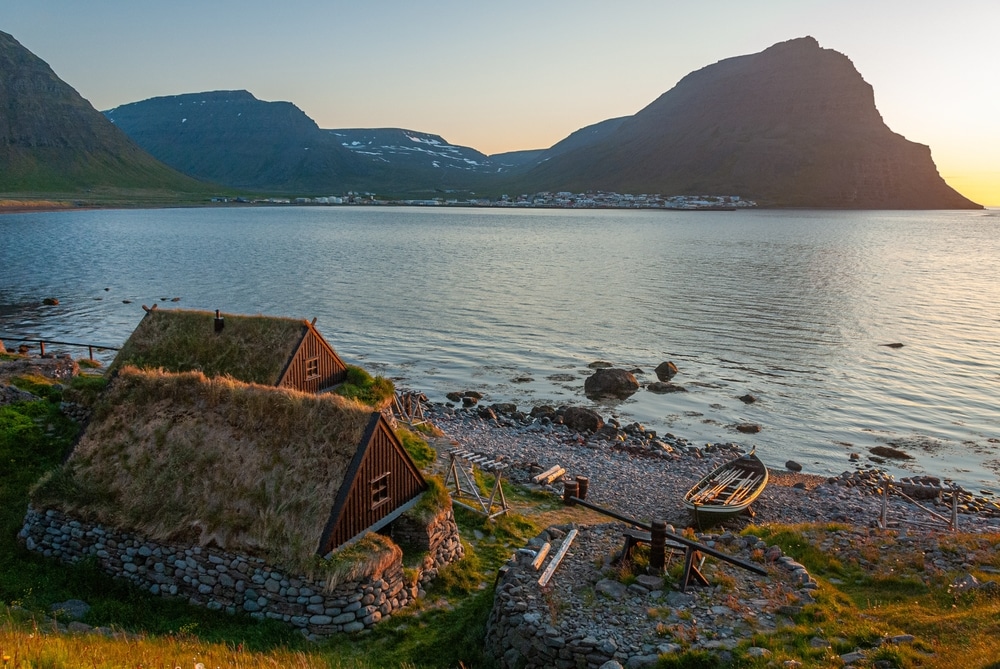
You’ve probably seen the pictures, right? The Blue Lagoon, the Golden Circle, maybe even Jökulsárlón glacier lagoon. All amazing, for sure. But what if you’re looking for something a little… different? Something that feels like you’ve stumbled upon a secret the rest of the world missed? That’s where the Iceland Westfjords come in. This massive peninsula in the northwest is, honestly, the part of Iceland that most people skip. And that’s precisely its charm. It’s one of those remote Icelandic destinations that still feels genuinely wild.
Untamed Landscapes and Dramatic Fjords
Picture this: you’re driving along a road that hugs the coastline, with mountains rising steeply on one side and the vast ocean stretching out on the other. That’s pretty much the Westfjords. The region is made up of these incredible, flat-topped mountains that plunge straight into the sea, creating dozens of dramatic fjords. It’s not just a few fjords, either; the Westfjords have about 50 of them, making up half of Iceland’s entire coastline, even though the region is only about 10% of the landmass.
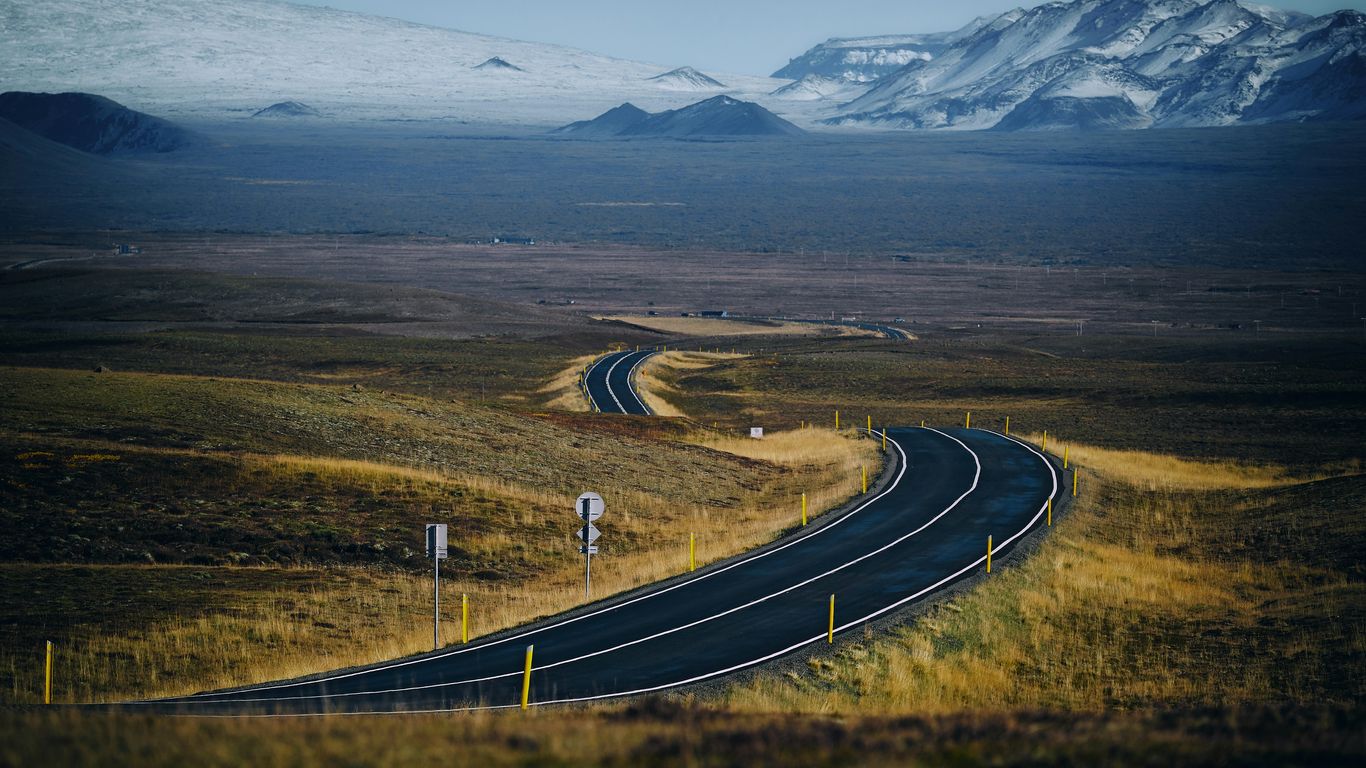
The roads here are often winding, sometimes unpaved, and can definitely get your heart racing on the steeper bits. It’s the kind of place that makes you feel small in the best way possible. You won’t find huge crowds here, just raw, stunning nature. It’s truly one of the best off the beaten path Iceland experiences you can have.
The Westfjords are Iceland’s oldest part, geologically speaking, formed about 14 million years ago. This ancient history gives the landscape a unique, blocky mountain character you won’t see elsewhere in the country. It feels different, older, and more rugged.
A Haven for Wildlife and Birdlife
If you’re a fan of animals, you’re going to love the Westfjords. Because it’s so remote and less visited, it’s become a real sanctuary for wildlife. The most famous spot has to be Látrabjarg cliffs, which are the westernmost point of Europe. During the summer, these cliffs are absolutely packed with puffins – thousands of them! You can get surprisingly close, and watching them waddle around is just hilarious.
Beyond the puffins, you might spot seals lounging on the rocks, arctic foxes darting across the landscape, and a huge variety of seabirds. It’s a place where nature is really in charge. It’s easy to find these hidden gems in Iceland when the wildlife is so abundant and unafraid. For a truly wild experience, consider exploring the Hornstrandir Nature Reserve, an uninhabited area where Arctic foxes roam freely.
It’s one of the most unexplored regions of Iceland and offers a glimpse into a world untouched by mass tourism. If you’re looking for a unique escape, the Faroe Islands offer a similar remote Nordic charm with dramatic cliffs and unique villages.
Here’s a little peek at what you might encounter:
- Puffins: Especially at Látrabjarg during nesting season (roughly May to August).
- Arctic Foxes: Keep an eye out in more remote areas, especially Hornstrandir.
- Seals: Often seen along the coastlines, particularly near fishing villages.
- Whales: While less common than in other parts of Iceland, sightings are possible.
- Various Seabirds: The cliffs are alive with guillemots, razorbills, and kittiwakes, among others.
Planning Your Westfjords Adventure
Thinking about a trip to the Westfjords? It’s a bit different from the usual Iceland circuit, and that’s exactly why it’s so special. This travel guide to Westfjords is here to help you figure out the best way to get there, when to go, and where to rest your head after a day of exploring.
Getting to the Westfjords: The Journey Itself
The Westfjords aren’t exactly on the main tourist highway, and honestly, that’s part of their charm. You can fly into Ísafjörður, the region’s main town, which is a quick hop from Reykjavík. But if you’ve got the time and want to see the landscape unfold, driving is the way to go. The roads here are a bit wilder – think narrow, winding paths with incredible views around every bend. It’s not about speed; it’s about soaking it all in. Make sure you download offline maps, like Google Maps or Maps.me, because cell service can be spotty. Also, consider the 112 Iceland app for emergencies; it can send your location even without a signal.
Best Time to Visit the Westfjords
Summer, from roughly May to September, is your best bet. The weather is milder, and the roads are generally clear. Winter travel is possible for the truly adventurous, but be prepared for heavy snow, potential road closures, and very limited daylight. It’s a much more challenging experience and not recommended unless you’re well-prepared and have plenty of flexibility.
Where to Stay: Charming Villages and Remote Stays
Accommodation in the Westfjords ranges from cozy guesthouses in small fishing villages to more remote cabins. Ísafjörður offers the most options, including hotels and guesthouses. For a more secluded experience, look for places in smaller towns like Patreksfjörður or even consider camping if the weather is good. Booking ahead, especially during peak summer months, is a smart move.
Here’s a quick look at how much time you might want:
- 3 Days: A good minimum to hit the main spots like Dynjandi and Látrabjarg, with Ísafjörður as your base.
- 5 Days: Allows for a more relaxed pace, maybe adding a visit to a hot spring or exploring more of the coastline.
- 7 Days: The sweet spot for really getting to know the region, exploring off-the-beaten-path spots, and perhaps even taking a boat trip.
Planning a road trip here is less about sticking to a strict schedule and more about embracing the unexpected. Your vehicle becomes your ticket to exploring some of Iceland’s most untouched corners. Treat it well, and it’ll take you on an unforgettable journey.
Must-See Attractions in the Westfjords
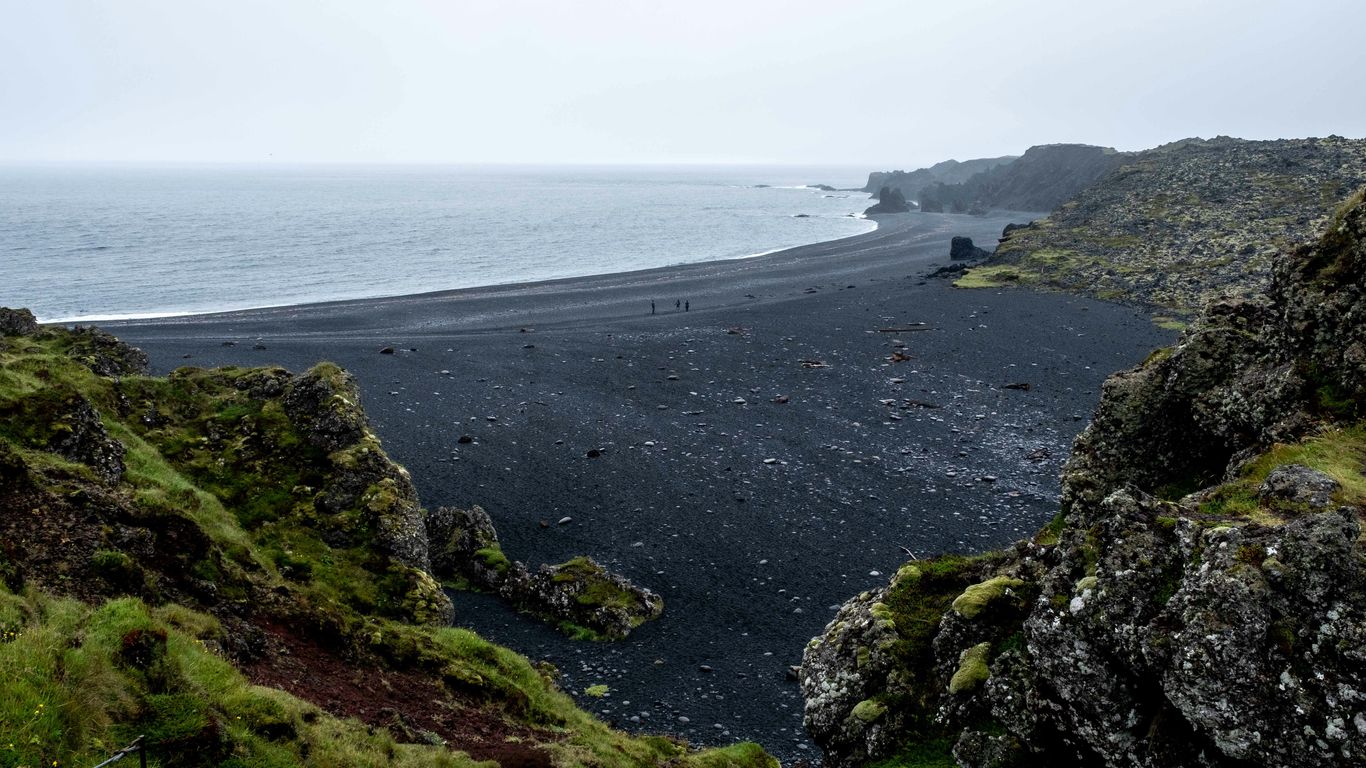
When you’re exploring Iceland’s Westfjords, you’ll quickly realize that this region is packed with natural wonders that feel like they’re straight out of a storybook. Forget the crowds you might find elsewhere; here, it’s all about raw, untamed beauty. Let’s talk about a few spots you absolutely shouldn’t miss.
Dynjandi Waterfall: The Jewel of the Westfjords
Prepare to be amazed by Dynjandi, often called the “Jewel of the Westfjords.” This isn’t just one waterfall; it’s a whole series of them cascading down a mountainside, creating a breathtaking, tiered effect. The main fall, Dynjandi itself, is a massive, fan-shaped beauty that tumbles over 100 meters. It’s truly a sight to behold, and the sound of the water is just incredible.
Getting there involves a bit of a drive, but trust us, it’s worth every minute. You can walk right up to the base of the main fall and even climb alongside the smaller ones. It feels like stepping into another world.
Látrabjarg Cliffs: Europe’s Westernmost Point and Puffin Paradise
If you’re a fan of birds, especially puffins, then Látrabjarg is your dream destination. These are the westernmost cliffs in Europe, and during the summer months, they become a bustling city for millions of seabirds, including the adorable puffins. You can get surprisingly close to them here, watching them waddle around and fly in and out of their burrows. It’s a photographer’s paradise, but remember to keep a safe distance and respect their space.
Beyond the puffins, the sheer scale of the cliffs is impressive. They stretch for about 14 kilometers and rise up to 441 meters. Just be mindful of the edges – it’s a long way down!
Ísafjörður: The Cultural Heart of the Region
While the Westfjords are famous for their nature, Ísafjörður offers a taste of local life and culture. It’s the largest settlement in the region, nestled in a stunning fjord. Here, you can explore the Westfjords Heritage Museum, which gives you a great look into the area’s maritime history and the lives of the people who have called this place home for centuries. They even have a collection of old boats and accordions!
Walking around Ísafjörður is a pleasure. You’ll find colorful houses, cozy cafes, and a relaxed atmosphere. It’s the perfect place to recharge, grab a bite to eat, and get a feel for the Westfjords’ unique charm before you head back out into the wild.
Experiencing the Magic: Activities and Adventures
So, you’ve made it to the Westfjords – awesome! Now what? Well, get ready to really feel this place. Forget just looking; it’s time to get involved. Hiking is a big one here, obviously. You can find trails that are super easy, just a gentle stroll along a fjord, or you can go for something a bit more challenging that takes you up into the hills for some epic views. Seriously, the vistas are something else.
If you’re into wildlife, you’re in for a treat. Keep your eyes peeled for seals lounging on the rocks or even whales out in the water. And the birds! Látrabjarg Cliffs are famous for a reason, especially if you visit during puffin season. Just remember to give them plenty of space – they’re wild animals, after all.
Water activities are also a thing, though maybe not in the way you’d expect. Think kayaking in calm fjords or maybe even trying some cold-water swimming if you’re brave enough. Some villages have fantastic geothermal pools, which are the perfect way to relax after a day of exploring. It’s a different kind of adventure, more about soaking it all in than adrenaline rushes.
Here are a few ideas to get you started:
- Hiking: From coastal paths to mountain climbs, there’s a trail for everyone.
- Wildlife Watching: Look for seals, whales, and countless bird species.
- Kayaking: Paddle through serene fjords for a unique perspective.
- Geothermal Pools: Relax and unwind in natural hot springs.
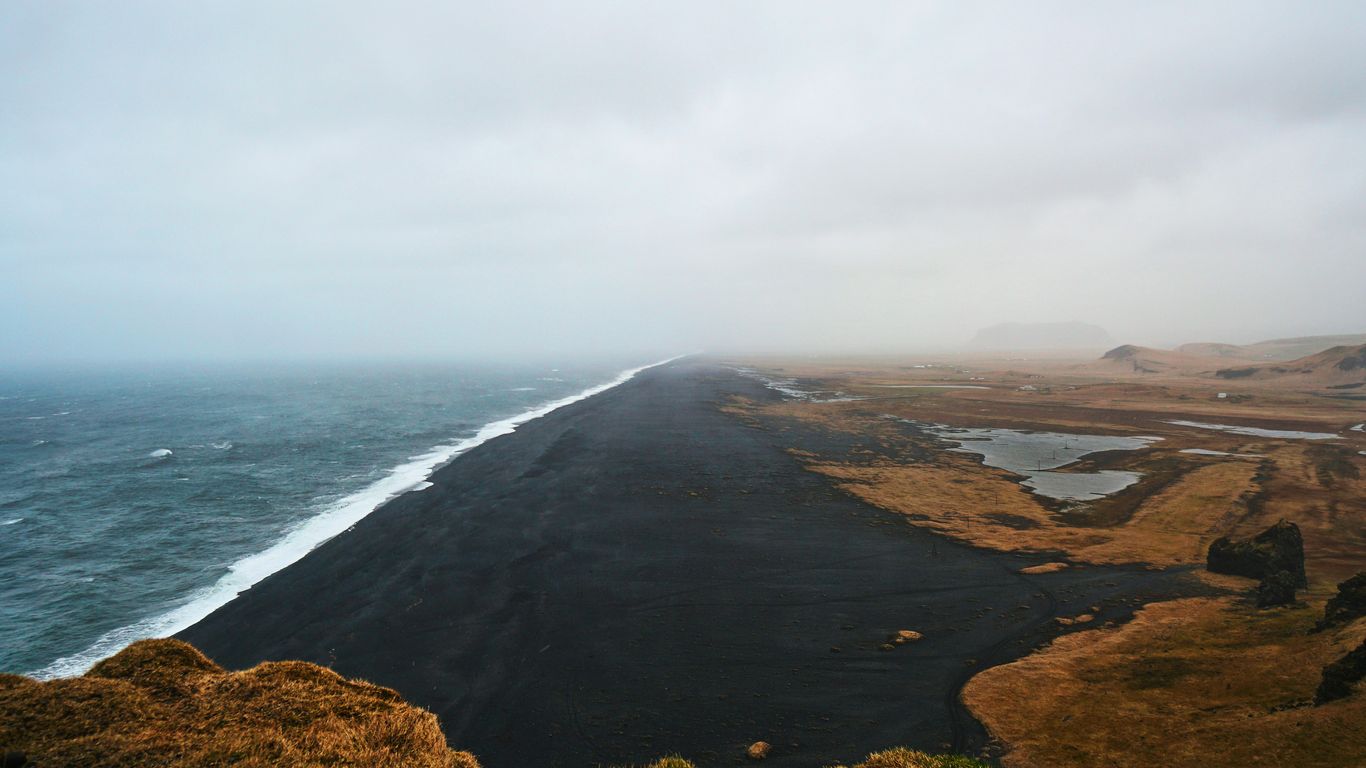
Don’t be surprised if you stumble upon tiny, unnamed waterfalls just off the road. They might not be on any map, but they’re perfect for a quiet moment or a quick photo op. It’s these little discoveries that make the Westfjords so special.
And hey, if you’re traveling by campervan, you’ve got even more freedom. You can chase those hidden waterfalls or just pull over whenever a view catches your eye. It’s all about embracing the journey and letting the Westfjords surprise you. You might even find yourself wanting to extend your trip, maybe even taking advantage of a stopover to explore more of Iceland before heading to Europe.
Oh, and if you happen to be there in the winter, and the skies are clear, you might just get lucky with the Northern Lights. The Westfjords have some seriously dark skies, making it a prime spot for aurora hunting. Just check the forecast and hope for the best!
So, Should You Go?
Look, if you’re the type of person who likes to hit all the big tourist spots and get those classic photos, maybe the Westfjords isn’t for you. It takes a bit more effort to get there, and things move at a different pace. But if you’re craving a real adventure, love dramatic coastlines, and think the best travel stories come from places most people skip, then seriously, you’ve got to check out the Westfjords. It’s a wild, beautiful corner of Iceland that feels like a secret waiting to be discovered, and honestly, it’s totally worth the detour.
