


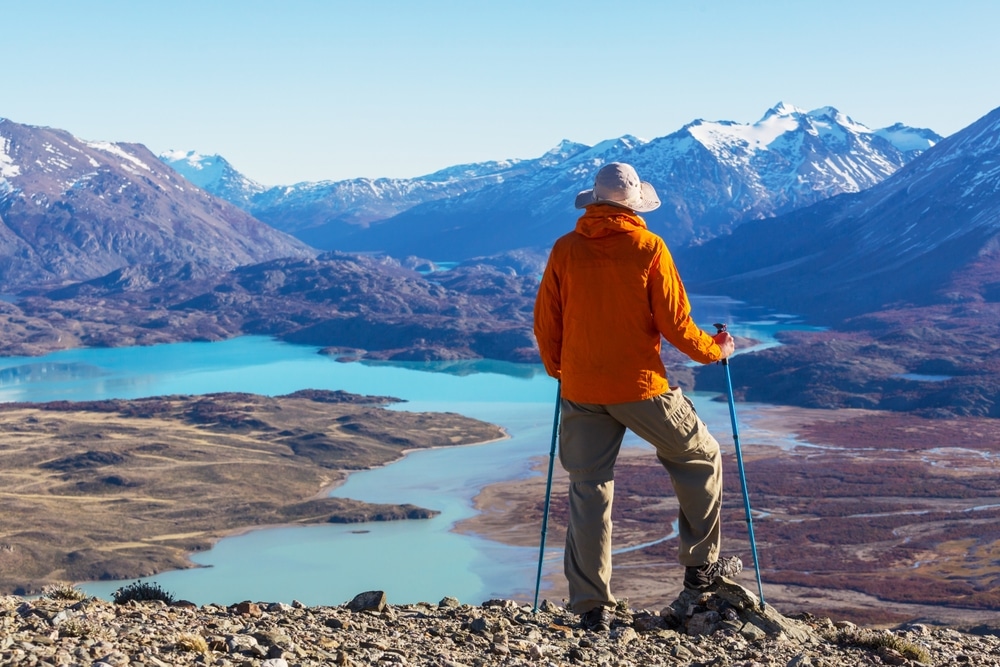
Patagonia has a reputation. A big one. Endless glaciers, jagged mountain peaks, turquoise lakes… and a price tag that makes many travelers quietly close their browser tabs. For years, Patagonia has been marketed as a once-in-a-lifetime destination that requires months of saving, expensive tours, and meticulously planned itineraries.
But here’s the thing most guides won’t tell you: Patagonia doesn’t have to be expensive at all.
If you follow the same route as everyone else — flying in, rushing between famous parks, and staying in tourist-heavy towns — you’ll absolutely overspend. But if you’re willing to travel a little slower, zigzag across borders, and trust local transport, there’s a much cheaper way through the region.
This is the patagonia budget travel route that rarely shows up on Instagram, but quietly saves travelers hundreds (sometimes thousands) of euros — without sacrificing the landscapes Patagonia is famous for.
Why Patagonia Is So Expensive (And Why Most People Overpay)
The biggest reason Patagonia feels expensive isn’t the region itself — it’s how people travel through it.
Most itineraries look almost identical: fly into Chile, head straight to Torres del Paine, hop over to El Calafate for the glacier, continue to El Chaltén for hiking, and then rush back north. It’s efficient, but it’s also the most tourist-heavy and least flexible route you could choose.
Add guided tours, fixed schedules, and accommodation booked months in advance, and prices skyrocket fast. Hostels fill up, food options narrow, and transport becomes more expensive because you’re locked into specific dates.
Ironically, the more tightly you plan Patagonia, the more it costs.
That’s where patagonia budget travel flips the script — by doing the opposite.
The Patagonia Route Everyone Follows (And Why It Drains Your Wallet)
There’s nothing wrong with the classic Patagonia route. It’s popular for a reason. But popularity comes at a cost.
This typical path usually includes:
- Santiago or Punta Arenas as a starting point
- Torres del Paine during peak season
- A fast hop to El Calafate and El Chaltén
- Short stays, expensive day tours, and limited flexibility
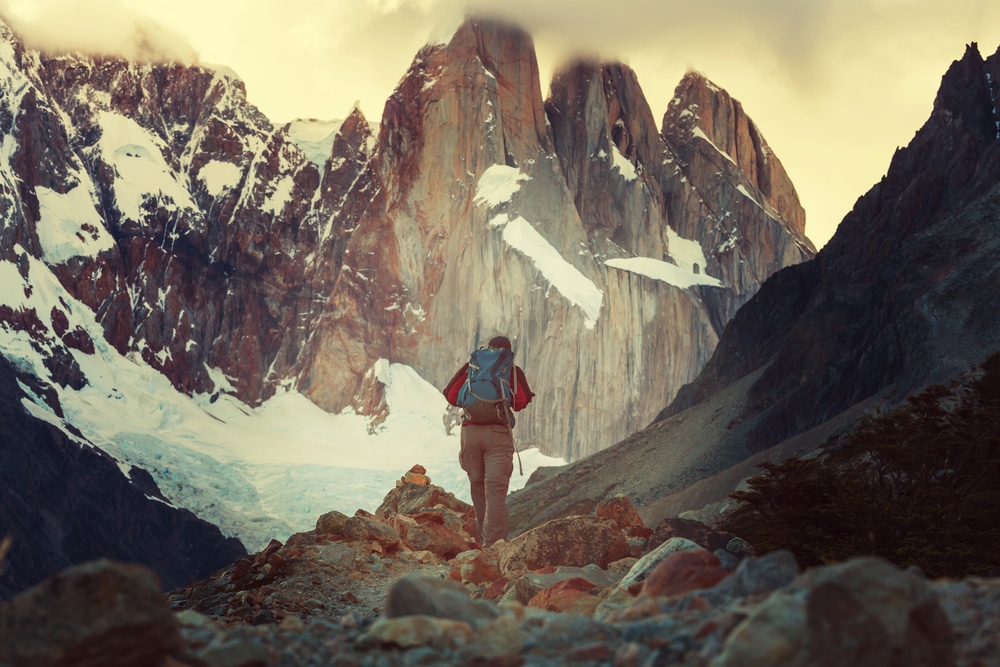
Because everyone arrives at the same time and leaves the same way, prices stay high. Accommodation knows it can charge more. Transport fills up quickly. And travelers feel pressured to book tours instead of exploring independently.
If you want Patagonia on a budget, this route is working against you from day one.
The Cheapest Route Through Patagonia (The One Nobody Talks About)
The cheapest way through Patagonia isn’t a straight line — it’s a slow, slightly messy, back-and-forth route that uses smaller towns, flexible border crossings, and local transport instead of packaged experiences.
At first glance, it looks inefficient. In reality, it’s exactly what makes it affordable.
This route works because it:
- Starts in Argentina, where daily costs are lower
- Uses long-distance buses instead of flights
- Crosses borders multiple times (cheap and normal here)
- Prioritizes small towns over famous hotspots
This is where patagonia budget travel stops being a theory and starts becoming practical.
Start in Southern Argentina, Not Chile
One of the biggest money-saving decisions you can make is starting in Argentina rather than Chile.
Southern Argentina generally offers:
- Cheaper food and groceries
- More affordable long-distance buses
- Better hostel competition in smaller towns
Cities like Bariloche or El Bolsón are excellent entry points. From there, you can move south gradually, adjusting your pace depending on weather, budget, and energy levels.
Chile is stunning — but Argentina is easier on your wallet, which matters when you’re spending weeks (not days) on the road.
Use the ‘Back-and-Forth’ Border Trick
On a map, Patagonia looks like a neat north-to-south journey. In reality, locals and long-term travelers crisscross the Argentina–Chile border constantly.
And that’s where the savings come in.
Border crossings are frequent, straightforward, and often cheaper than staying within one country on expensive routes. Bus connections between small towns on opposite sides of the border are common — and far less touristy.
This flexibility allows you to:
- Follow good weather
- Avoid peak prices
- Stay longer where accommodation is cheaper
It’s not glamorous, but it’s one of the smartest patagonia budget travel strategies there is.
Smaller Towns = Bigger Savings (And Better Stories)
Famous towns are beautiful. Smaller towns are where Patagonia really shines.
Places like El Bolsón, Perito Moreno (the town), Cochrane, and Futaleufú offer:
- Cheaper hostels and guesthouses
- Local bakeries and family-run restaurants
- Free or low-cost hikes
- A slower, more social travel pace
Instead of ticking boxes, you end up staying longer — which lowers your daily costs and deepens the experience. Many travelers who planned two nights end up staying a week.
And that’s exactly how patagonia budget travel works best.
What This Patagonia Budget Travel Route Actually Costs Per Day
So what does this route cost in real terms?
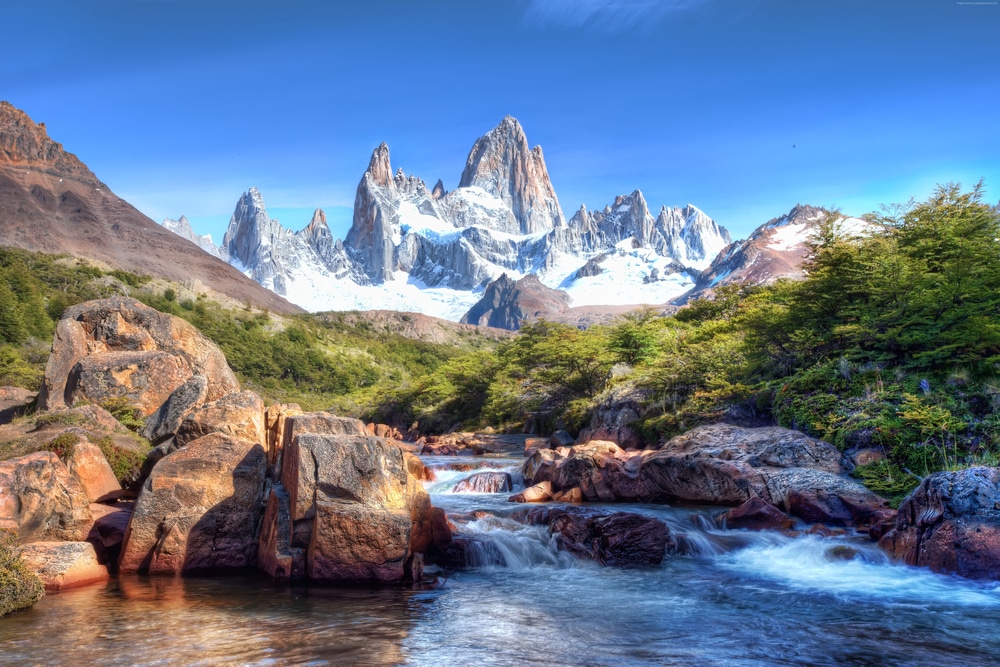
On average, travelers following this slower, flexible route spend:
- Accommodation: budget hostels, camping, or basic guesthouses at reasonable prices
- Food: groceries, bakeries, and simple local meals instead of tourist restaurants
- Transport: long-distance buses and occasional shared rides
- Activities: mostly self-guided hikes and free nature experiences
Daily budgets stay surprisingly manageable, especially compared to the “classic” Patagonia itinerary. The key isn’t cutting comfort — it’s avoiding forced expenses.
Where You Save the Most Money Without Sacrificing the Experience
The biggest savings don’t come from sleeping rough or skipping highlights. They come from travel style.
You save money by:
- Hiking independently instead of booking tours
- Eating where locals eat
- Staying longer in one place instead of rushing
- Traveling during shoulder season
You still see glaciers. You still hike iconic trails. You just do it without crowds — and without paying a premium for someone else’s schedule.
That balance is what makes patagonia budget travel sustainable and enjoyable.
Best Time to Do This Route on a Budget
Timing matters more than people realize.
The sweet spots are:
- October–November (spring)
- March–April (early autumn)
During these months:
- Accommodation prices drop
- Trails are quieter
- Transport is easier to book
- Weather is still surprisingly good
Peak summer is beautiful, but it’s also when prices spike and flexibility disappears.
Common Patagonia Budget Travel Mistakes to Avoid
Even budget-minded travelers make these mistakes:
- Booking everything months in advance
- Assuming camping is uncomfortable (it’s often excellent)
- Carrying only credit cards in cash-based towns
- Rushing through Patagonia instead of slowing down
Patagonia rewards patience. The slower you go, the cheaper — and richer — the experience becomes.
Is This Route Right for You?
This route isn’t for everyone — and that’s okay.
It’s perfect if you:
- Enjoy flexibility
- Don’t mind changing plans
- Prefer experiences over checklists
- Want Patagonia without financial stress
If you need luxury hotels, strict schedules, and guided tours every day, this probably isn’t your path. But if you’re curious, adaptable, and open to the unexpected, this way of traveling Patagonia might surprise you.
Patagonia Doesn’t Have to Be Expensive
Patagonia’s wild beauty isn’t reserved for big budgets. It’s reserved for travelers willing to move differently.
By skipping the obvious route, embracing smaller towns, and letting the journey unfold at its own pace, you unlock a version of Patagonia that’s quieter, cheaper, and often more memorable.
This lesser-known path proves that patagonia budget travel isn’t about cutting corners — it’s about traveling smarter.
And once you see Patagonia this way, it’s hard to imagine doing it any other way.
