


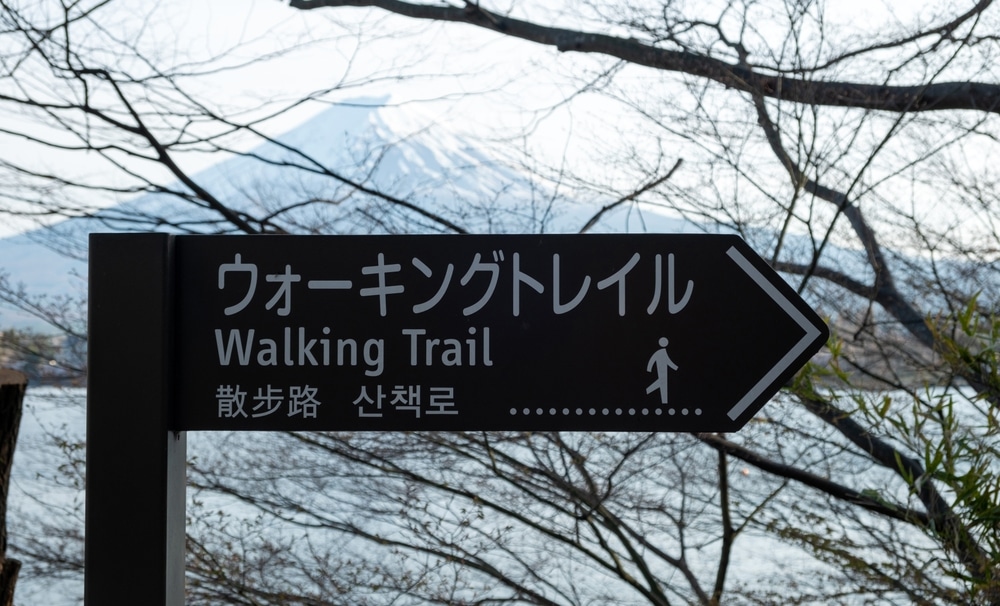
Tokyo is often the starting point for trips to Japan — and for good reason. It’s iconic, efficient, and endlessly fascinating. But it’s also expensive. Accommodation costs add up quickly, dining out becomes a daily calculation, and even small conveniences come at a premium. What many travelers don’t realize is that just a few hours away lies a completely different Japan — one that’s slower, quieter, and dramatically more affordable.
Traveling through rural japan on a budget isn’t about sacrificing comfort or experiences. It’s about shifting perspective. Outside the major cities, prices drop, space opens up, and daily life becomes less transactional. Trains may run less frequently, menus may not be translated, and English may be rare — but the rewards are substantial.
Rural Japan offers something Tokyo never can: room to breathe, deeper cultural encounters, and a way to experience the country without constantly watching your spending.
Rural Japan on a Budget
Rural Japan isn’t cheaper because it’s “less developed” — it’s cheaper because it was never designed for mass tourism. Most towns and villages exist for locals first, not visitors. Accommodation pricing reflects real living costs, not global demand. Meals are cooked for neighbors, not optimized for social media. Transport exists to connect communities, not to move millions efficiently every day.
When you travel rural Japan on a budget, you quickly notice how different the economics feel. A family-run guesthouse may cost less per night than a Tokyo capsule hotel. A hearty lunch set might be half the price of a convenience-store dinner in Shibuya. Even simple pleasures — hot springs, local festivals, scenic hikes — often cost nothing at all.
The key difference isn’t frugality; it’s intention. Rural Japan rewards travelers who slow down, plan lightly, and accept that not everything will be optimized for speed or convenience. In return, it offers affordability that feels natural rather than restrictive.
Why Tokyo Is Expensive — And Why Rural Japan Isn’t
Tokyo’s costs are driven by density, demand, and efficiency. Space is scarce, land prices are high, and everything is optimized for millions of people moving through the city daily. That efficiency is impressive, but it comes at a price — literally.
Rural areas operate on a completely different logic. Space is abundant. Populations are shrinking. Many towns actively welcome visitors simply to keep local businesses alive. As a result, prices remain grounded in local income levels rather than international tourism trends.
You’re not paying for convenience or hype. You’re paying for real goods and services — and often far less than you would in the capital.
Accommodation: Where the Biggest Savings Begin
Accommodation is where rural travel immediately outperforms Tokyo. In the countryside, options like minshuku (family-run guesthouses), small ryokan, and simple inns offer excellent value. Prices often include home-cooked meals, which further reduce daily expenses.
Unlike Tokyo, where space is optimized ruthlessly, rural accommodation tends to be generous. Larger rooms, shared common areas, gardens, and baths are common — and often included in the base price.
Staying multiple nights can also unlock informal discounts or added hospitality. Owners appreciate longer stays, and the relationship often becomes part of the experience.
Food: Simple, Local, and Surprisingly Affordable
Eating in rural Japan is less about choice and more about trust. Many restaurants serve a single set menu based on what’s available locally. This keeps costs low and quality high.
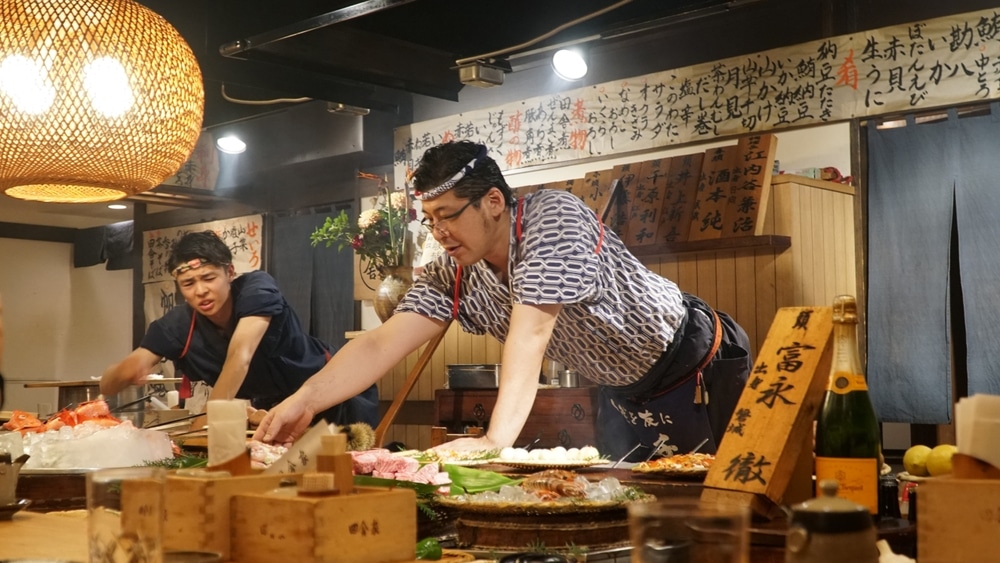
A filling lunch set might include rice, soup, vegetables, fish or meat, and tea — often for less than half of what a comparable meal would cost in Tokyo. Portion sizes tend to be generous, especially in agricultural regions.
Grocery shopping is equally budget-friendly. Local produce is fresh and inexpensive, and prepared foods at regional supermarkets are designed for residents, not tourists. Cooking occasionally while traveling rural Japan makes staying on a budget effortless rather than restrictive.
Transportation: Slower, Cheaper, and More Scenic
Transportation in rural Japan requires flexibility, but it often costs less overall. While bullet trains are expensive, regional lines, buses, and local passes are significantly cheaper.
In many rural areas, the journey becomes part of the experience. Trains wind through mountains, along coastlines, and past rice fields. Buses connect small villages where walking replaces transport entirely.
For longer stays, renting a car can be surprisingly affordable — especially when split between travelers. Fuel costs are predictable, roads are safe, and parking is rarely an issue outside cities.
Daily Life Costs Drop Dramatically
Small daily expenses — coffee, snacks, entry fees — are where rural Japan quietly saves you money. There are fewer temptations, fewer impulse purchases, and fewer situations designed to separate you from your cash.
Cafés are functional rather than fashionable. Museums and cultural sites are inexpensive or free. Nature, which dominates rural Japan, costs nothing at all.
Without constant stimulation, spending slows naturally. You buy what you need, enjoy what’s around you, and move on.
Onsen Towns Without Luxury Pricing
Hot spring towns are often associated with luxury, but rural onsen villages offer affordable access to one of Japan’s most cherished traditions. Day-use baths cost little, and many guesthouses include onsen access in the room rate.
These towns operate for locals as much as visitors. Facilities are practical, clean, and welcoming rather than exclusive. Spending an afternoon soaking becomes a daily ritual rather than a special splurge.
In Tokyo, this experience is rare and expensive. In rural Japan, it’s normal.
Cultural Experiences Without Tourist Markups
One of the biggest misconceptions about Japan is that cultural experiences are expensive. In rural areas, they’re often free or donation-based. Local festivals, shrine visits, seasonal events, and community gatherings happen regardless of visitors.
You’re not paying for access — you’re being invited to observe or participate. That difference changes everything. Experiences feel genuine rather than transactional, and costs remain minimal.
Where Rural Japan Really Shines
Regions like Tohoku, Shikoku, Hokuriku, Kyushu’s countryside, and inland Honshu offer exceptional value. These areas see fewer international visitors but are well-connected domestically.
Each has its own identity, cuisine, and landscapes — from coastal fishing towns to mountain villages. Prices reflect local realities, not global demand.
Choosing one region and staying put often costs less than hopping between cities — and offers a far deeper experience.
The Trade-Offs You Should Expect
Traveling rural Japan on a budget isn’t without challenges. English signage is limited. Timetables matter. Flexibility is required. Convenience stores may be scarce, and plans sometimes change due to weather or transport schedules.
But these trade-offs are manageable — and often rewarding. They slow you down, encourage interaction, and push you to engage more actively with your surroundings.
The money you save isn’t just financial. It’s emotional and mental as well.
Why Rural Japan Feels Richer Than Tokyo
What surprises many travelers is how abundant rural Japan feels despite lower costs. Space, silence, and time are plentiful. Hospitality is personal rather than professional. Encounters feel meaningful rather than rushed.
Tokyo offers endless options, but rural Japan offers depth. And depth, it turns out, is often far cheaper.
Who Rural Japan Is Perfect For
Rural Japan suits travelers who value atmosphere over entertainment, routine over novelty, and observation over consumption. It’s ideal for slow travelers, long stays, and those comfortable stepping outside curated environments.
It may frustrate those seeking constant stimulation or instant gratification — but for many, that’s precisely the appeal.
Final Thoughts
Traveling Japan doesn’t have to mean stretching your budget thin in Tokyo. By shifting focus to the countryside, you gain affordability, authenticity, and a version of the country that many visitors never see.
Rural Japan isn’t a compromise. It’s an alternative — one that costs less, offers more space, and leaves a deeper impression long after the trip ends.
Sometimes, the best way to experience a country isn’t where everyone else is looking — but where daily life quietly continues.
