


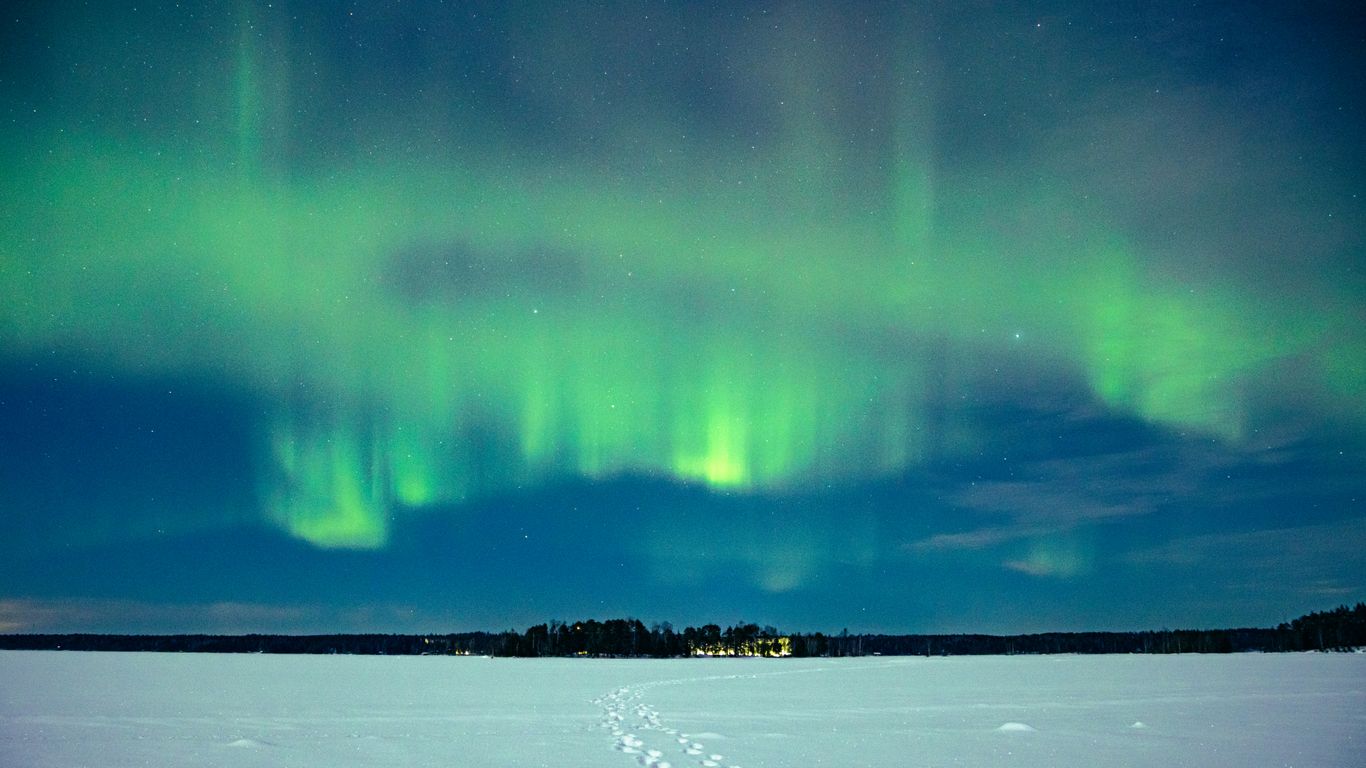
Norway’s Arctic sounds fancy, maybe even a little intimidating, right? And yeah, Norway isn’t exactly known for being cheap. But here’s the thing: experiencing the magic of the Arctic doesn’t have to mean emptying your wallet. Think of it as a challenge, a puzzle to solve. The real beauty to explore the Norwegian Arctic is that so much of its wonder is completely free. We’re talking about vast, wild landscapes that cost nothing to explore. Plus, with a bit of smart planning, you can totally make it work without feeling like you’re missing out.
It’s true, Norway has a reputation for being pricey. But the good news is that the currency exchange rate has been pretty favorable lately, making things a bit more manageable. Even if that changes, there are still plenty of ways to keep costs down. It’s all about being a little strategic and flexible.
Here’s why it’s totally doable:
- Nature is the main event: The biggest draw here is the incredible scenery. You’ve got endless opportunities for adventure or just quiet contemplation of amazing views. And the best part? Norway has something called ‘Allemansretten,’ which basically means the right to roam. You can explore nature freely, even in national parks, as long as you’re respectful and follow some basic rules. So, hiking, enjoying the views – that’s all on the house.
- Smart timing saves cash: Visiting during the shoulder seasons (spring and fall) can mean lower prices for flights and accommodation. You’ll also find fewer crowds, which is a nice bonus.
- Local transport is your friend: While renting a car might seem convenient, relying on Norway’s public transport system, like buses and trains, can be much more budget-friendly, especially for solo travelers or couples.
The Norwegian Arctic offers a unique blend of raw, natural beauty and cultural experiences. While it might have a reputation for being expensive, a closer look reveals that many of its most profound attractions are accessible without a hefty price tag. With careful planning and a willingness to embrace local ways of travel, the Arctic dream becomes a tangible reality for the budget-conscious explorer.
Explore the Norwegian Arctic: When to Visit for Savings
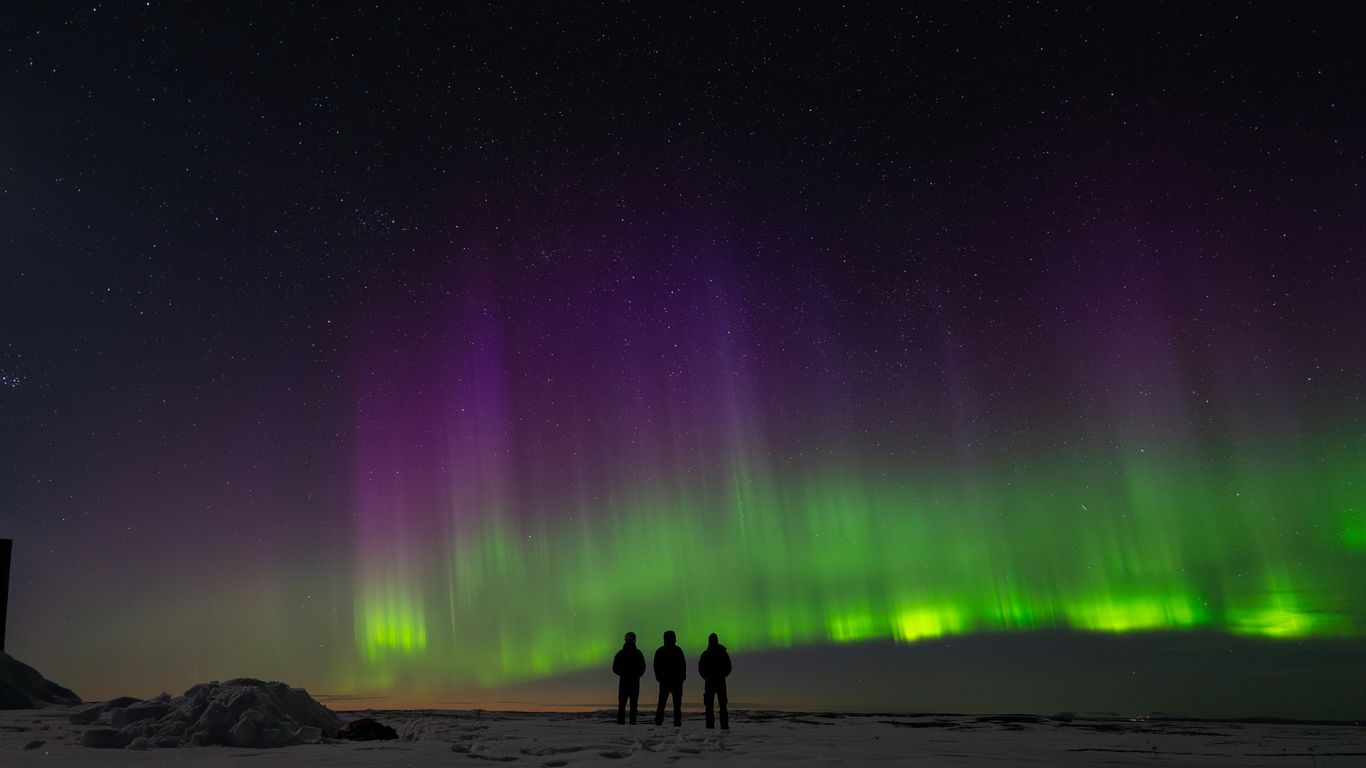
Thinking about a trip to the Norwegian Arctic but worried about the cost? You’re in luck! Timing your visit can make a huge difference in your budget. The key is to avoid the peak summer rush.
Shoulder Seasons: The Sweet Spot for Budget Travelers
If you’re looking for the best bang for your buck, aim for the “shoulder seasons.” These are the periods just before and after the main tourist season. Think late May to early June, or September. You’ll still get decent weather, often with long daylight hours in spring and beautiful fall colors in September. Plus, with fewer crowds, you’ll find that accommodation prices tend to drop.
Avoiding Peak Tourist Times
The busiest and most expensive time to visit the Norwegian Arctic is generally from mid-June through mid-August. This is when schools are out, and everyone wants to experience the midnight sun. If your schedule allows, try to plan your trip outside of these months. You might find that flights and places to stay are more readily available and cheaper. Even shifting your travel by a week or two can sometimes lead to noticeable savings. Remember, the Arctic is stunning year-round, and visiting during a less popular time means you’ll have a more relaxed experience and more money left for adventures!
Here’s a quick look at when to aim for:
- Spring Shoulder Season: Late May – Early June
- Pros: Long daylight hours, blooming nature, fewer crowds than summer.
- Autumn Shoulder Season: September
- Pros: Beautiful fall foliage, good chance of seeing the Northern Lights start, fewer tourists.
Visiting during these shoulder seasons means you’re more likely to snag better deals on flights and lodging. It’s a simple strategy that can significantly cut down your overall trip expenses without sacrificing the Arctic experience.
Transportation Hacks for a Cheaper Arctic Adventure
Getting around the Norwegian Arctic doesn’t have to cost a fortune. With a little planning, you can find ways to keep your travel costs down.
Flights: Finding Affordable Routes
Booking your flights well in advance is your best bet for snagging lower prices. Keep an eye out for deals and consider flying into smaller airports if they’re accessible. Sometimes, flying mid-week or during less popular times can also make a difference. It’s worth comparing prices across different airlines and using flight comparison websites to find the best deals. Remember, the earlier you book, the more likely you are to find cheaper tickets.
Getting Around: Public Transport vs. Car Rental
When you’re in the Arctic, you have a couple of main options for getting around: public transport or renting a car. Public transport, like buses and trains, can be a really economical choice, especially for longer distances. You can often plan your entire journey using apps like Entur, which helps you figure out the best routes using trains, buses, and even boats. This is a great way to see the scenery too!
However, if you plan on exploring more remote areas or want the flexibility to stop wherever you like, a rental car might be necessary. While it can be more expensive, consider if you’re traveling with a group, as splitting the cost can make it more affordable. Sometimes, electric vehicles (EVs) are available at reasonable rates, which could be a good option if you’re comfortable with charging infrastructure.
Here’s a quick look at what to consider:
- Public Transport:
- Generally more budget-friendly.
- Allows you to relax and enjoy the views.
- Requires sticking to schedules and routes.
- Car Rental:
- Offers maximum flexibility and freedom.
- Can be cost-effective for groups.
- Requires navigation and parking.
For many travelers, using public transport is the way to go for budget travel in Norway. It’s often cheaper than renting a car and lets you experience the country like a local. Plus, many of Norway’s most stunning train and bus routes are attractions in themselves.
Don’t forget to look into affordable travel tips for Norway in general, as many of these can be applied to your Arctic adventure.
Accommodation on a Dime
Finding a place to sleep in the Norwegian Arctic doesn’t have to cost a fortune. While fancy hotels are certainly an option, there are plenty of ways to keep your lodging expenses low so you can spend more on experiences (or just save the cash!).
Hostels and Guesthouses: Cozy and Cost-Effective
Hostels are a fantastic choice for solo travelers or anyone looking to meet other people. They often have dorm rooms, which are the cheapest option, but many also offer private rooms if you need a bit more privacy. You’ll usually find shared kitchens, which are a lifesaver for budget travelers wanting to cook their own meals. Plus, many hostels organize social events or offer tips on local activities. It’s a great way to get a feel for the place and connect with fellow adventurers. You can find some really great budget hostels across Norway, often in prime locations with good facilities. Booking in advance is always a good idea, especially if you’re traveling during busier times.
Alternative Stays: Camping and Cabins
If you’re really looking to save, or just love being closer to nature, consider camping. Norway has tons of campsites, many with facilities for tents and RVs. Some even have basic cabins for rent, which can be a step up from a tent without a huge price jump. These cabins are often quite simple, but they provide a roof over your head and a place to store your gear.
They’re perfect for those who want a bit more independence and don’t mind roughing it a little. Remember to check if you need to bring your own bedding and towels, as this can sometimes be an extra charge. For a bit more comfort than a basic cabin but still budget-friendly, look into guesthouses or inns. They can offer a more local feel than a standard hotel.
When packing for your Arctic adventure, think about bringing your own linens and towels if you plan on staying in hostels or cabins. Many places charge extra for these, and bringing your own can add up to significant savings over your trip. Plus, you can easily wash them at many accommodations that have laundry facilities.
Here are a few things to keep in mind when looking for budget accommodation:
- Location: Sometimes paying a little extra for a place closer to town or attractions saves you money on transportation.
- Amenities: A shared kitchen can be a game-changer for saving money on food. Look for places with good reviews for cleanliness.
- Booking: Always compare prices and book ahead, especially for popular spots or during shoulder seasons. Websites that list budget hostels can be super helpful.
- Travel Style: Are you okay with dorms, or do you need a private room? This will greatly affect your options and price.
Budget-Friendly Activities and Experiences
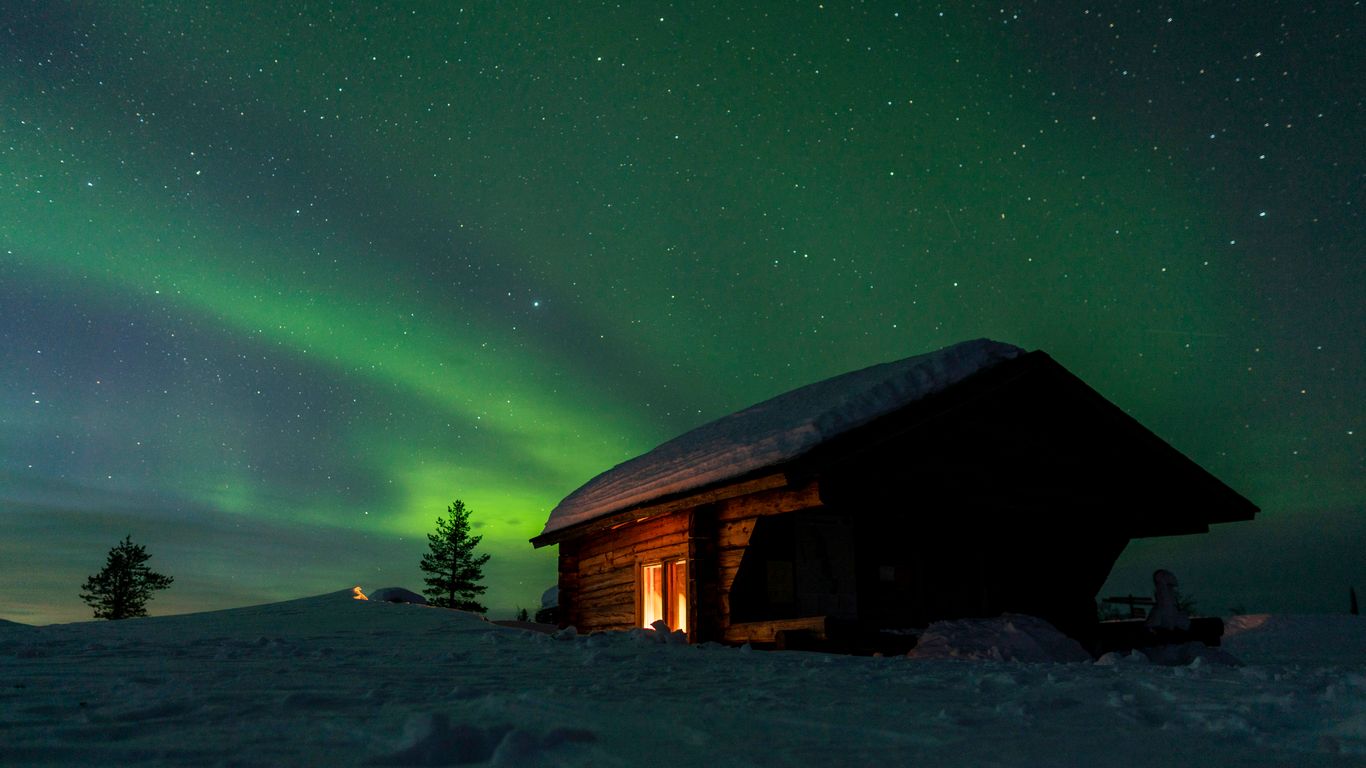
You don’t need to spend a fortune to have an amazing time in the Norwegian Arctic. There are plenty of ways to soak in the scenery and culture without emptying your wallet. Nature itself is often the biggest and best free attraction.
Think about it: Norway’s stunning landscapes are open to everyone. Hiking through national parks, exploring coastlines, or just finding a quiet spot to watch the midnight sun (or Northern Lights, depending on the season) costs absolutely nothing but your time and energy. Many towns have great walking trails right on their doorstep. For instance, you can find some really nice hikes close to cities like Tromsø, offering incredible views without any entry fees.
If you’re looking for something a bit more structured but still affordable, consider joining local tours. While some activities can add up, many offer a fantastic way to see more. For example, a boat trip might give you a chance to see wildlife or explore fjords you couldn’t easily reach on your own. Some tours even include unique experiences like a sauna on board, which can be a real treat after a day out in the cold.
Here are a few ideas to get you started:
- Embrace the Outdoors: Pack good walking shoes and explore. Many areas have marked trails suitable for various fitness levels. Look for local tourist information centers; they often have maps and suggestions for free hikes.
- City Walks: Most Norwegian towns are compact and lovely to explore on foot. Wander through charming streets, admire the architecture, and soak up the local atmosphere. Many cities offer free walking tours, though tipping the guide is customary.
- Northern Lights Hunting (DIY): While guided tours are popular, you can also try to spot the Aurora Borealis yourself. Head away from city lights on a clear night. Check the aurora forecast and find a spot with a good view of the sky. It takes patience, but seeing them for free is incredibly rewarding.
- Visit Local Markets: Even if you’re not buying much, markets are a great place to experience local life, see regional products, and maybe grab an affordable snack.
Remember that many of the most memorable Arctic experiences don’t come with a price tag. Sometimes, the simplest activities, like watching the waves or enjoying the quiet of the wilderness, are the most profound. Don’t feel pressured to book every expensive excursion; focus on what truly interests you and what fits your budget.
For a taste of what’s possible, consider looking into options like whale watching tours if you’re in the right season and location. While not always the cheapest, they can offer incredible value for the experience.
Eating Well Without Breaking the Bank
Okay, so Norway isn’t exactly known for being cheap, especially when it comes to food. But don’t let that stop you from enjoying some seriously tasty meals! The trick is to be smart about where and how you eat. Your biggest money-saver will be hitting up the local grocery stores. Think Rema 1000 or Kiwi – they’re usually the most budget-friendly chains. Grab some local cheeses, good butter, some bread, and maybe some cured meats for an amazing picnic lunch. You can often find locally sourced goodies right there.
If you’re looking to eat out, try to do it at lunchtime. Many places offer a ‘dagens rett’ or ‘today’s special’ that’s way cheaper than dinner and still uses fresh ingredients. You might get to try things like fish soup or even a moose burger if you’re lucky! And don’t forget the snacks – Norwegian waffles and cinnamon buns are delicious and usually pretty affordable, sometimes even with deals like ‘3 for 2’.
Here are a few more tips:
- Tap water is your best friend. Seriously, it’s some of the cleanest in the world. Bring a reusable water bottle and fill it up wherever you go. You’ll save a ton of money and cut down on plastic.
- Be mindful of alcohol. It’s heavily taxed in Norway. If you want a drink, consider buying it at the airport duty-free when you arrive, or look for beer and cider in grocery stores (under 4.7% alcohol) rather than bars.
- Explore Asian grocery stores. If you’re staying somewhere with a kitchen, these places can be goldmines for staples like rice, plus fruits and veggies, often at much lower prices than regular supermarkets.
Eating like a local, but on a budget, is totally doable. It just takes a little planning and knowing where to look. Don’t be afraid to ask locals for recommendations on good, affordable spots!
And for drinks, besides the free tap water, try some eplemost (apple juice) – it’s really good. You can find decent beer and cider in grocery stores too, which is usually cheaper than a bar.
Was It Worth It?
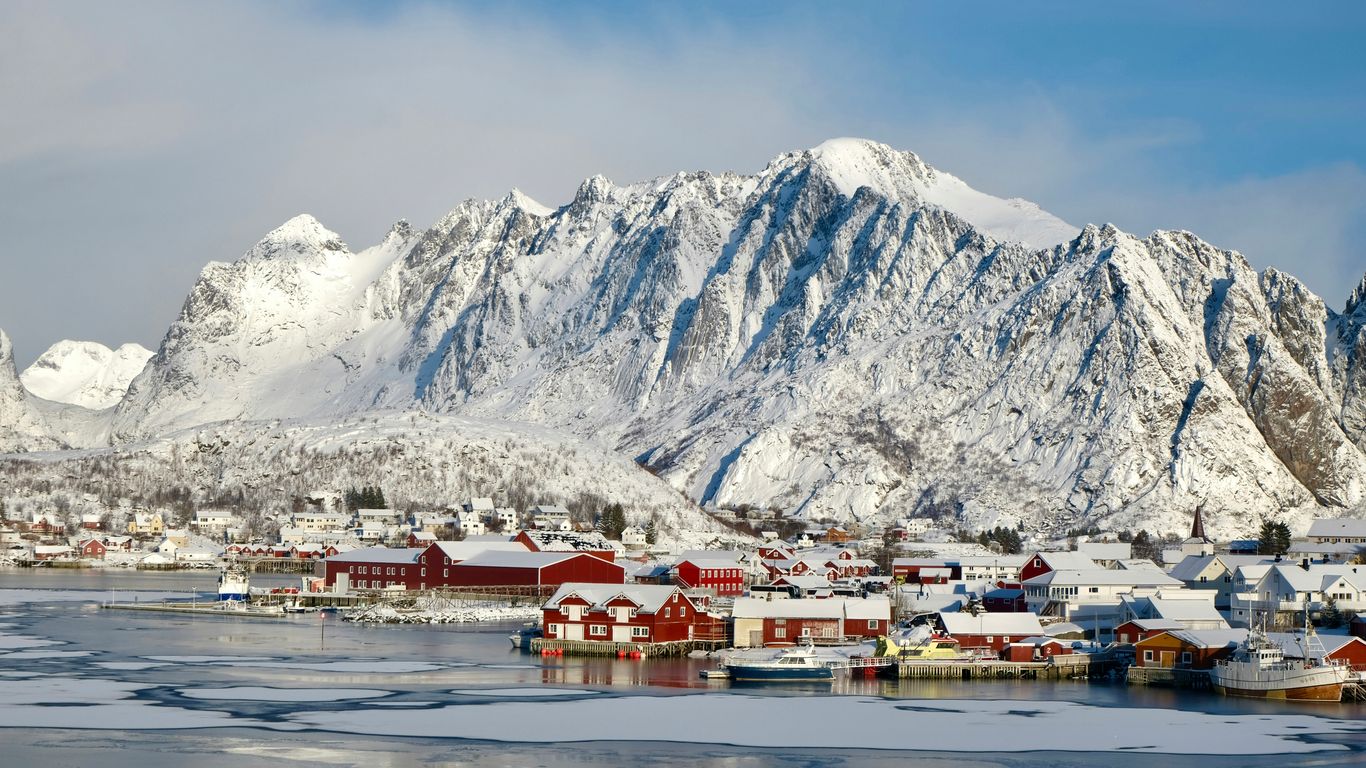
Alright, so Norway’s Arctic might sound like it’s out of reach for most of us, but as we’ve seen, it doesn’t have to be. You can totally do this without emptying your wallet. Think about booking smart, maybe traveling a bit off-season, and definitely looking into those multi-purpose transport ships instead of fancy cruises. Plus, Norway’s nature is pretty much free to explore, which is a huge win. It just takes a little planning, a bit of flexibility, and maybe eating a few more sandwiches from the grocery store. But trust me, seeing those lights or those fjords? Totally worth the effort.
