


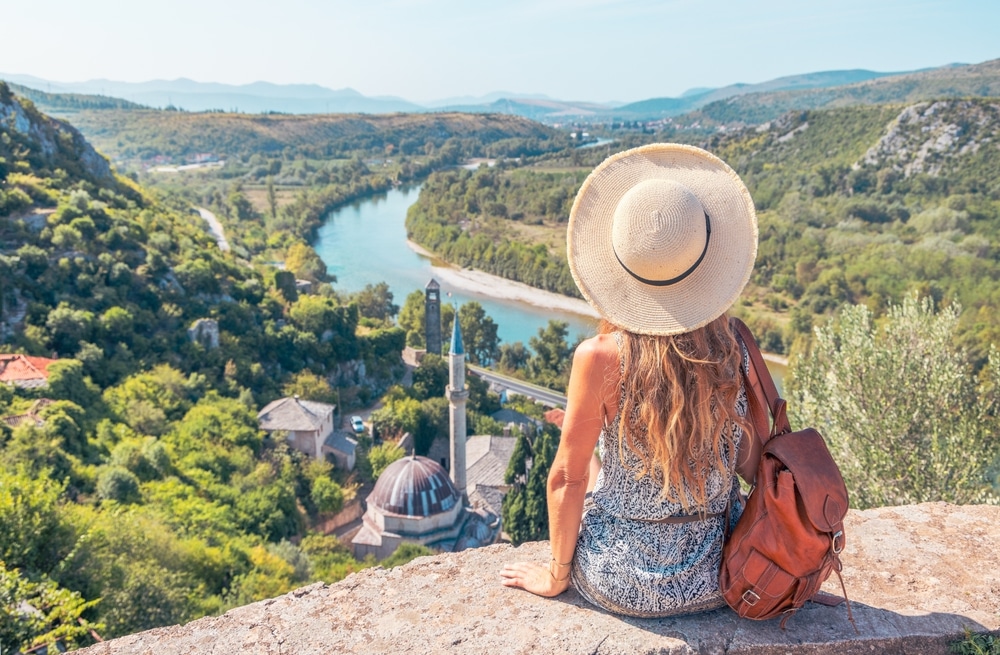
Planning your trip to the Balkans is exciting, but figuring out the visa situation can feel a bit tricky at first. It’s not as complicated as it sounds, though! The Balkans travel hack: the key is understanding which Balkan countries are part of the Schengen Area and which aren’t. This makes a big difference in how you approach your travel plans.
Understanding Schengen and Non-Schengen Balkan Countries
So, what’s the deal with Schengen? Basically, it’s a zone where many European countries have abolished passport and immigration checks at their mutual borders. Think of it like a single country for international travel purposes. In the Balkans, only a few countries are currently in the Schengen Area: Greece, Croatia, Slovenia, Bulgaria, and Romania. It’s important to note that Bulgaria and Romania currently only accept Schengen visas at their sea and air borders. The rest of the Balkan countries, like Albania, Bosnia and Herzegovina, Kosovo, Montenegro, and North Macedonia, are not part of Schengen and might require a separate visa depending on your nationality.
Justifying Multiple Schengen Entries for Your Itinerary
This is where smart planning really pays off. If your itinerary involves hopping between Schengen and non-Schengen countries, you might need a multiple-entry Schengen visa. The trick is to show the embassy that your trip genuinely requires you to enter and exit the Schengen zone more than once. For example, you could fly into Athens (Schengen), then travel overland through non-Schengen countries like North Macedonia and Albania, and then re-enter the Schengen zone in Croatia.
Submitting a well-thought-out itinerary that clearly shows these multiple entries is your best bet for getting that multi-entry visa approved. This approach allows you to explore more without the hassle of applying for individual visas for each non-Schengen country you visit.
Leveraging Your Schengen Visa for Neighboring Nations
Once you have your multiple-entry Schengen visa, you can use it to your advantage. Many non-Schengen Balkan countries are quite close to Schengen borders, making overland travel easy. For instance, if you’re in Bulgaria (Schengen), it’s a simple bus ride to North Macedonia (non-Schengen). After exploring North Macedonia, you could potentially re-enter Bulgaria or head to another Schengen country.
This strategy significantly cuts down on visa costs and simplifies your travel. Remember to check the specific entry requirements for your nationality, as some countries might have different rules. For example, citizens of Bosnia and Herzegovina might need to apply for specific visas depending on their destination.
Planning your route to include multiple entries and exits from the Schengen area is key to justifying your need for a multi-entry visa. This makes exploring the wider Balkan region much more feasible and cost-effective.
Here’s a simplified example of how an itinerary could justify multiple Schengen entries:
- Entry 1: Arrive in Greece (Schengen).
- Travel: Journey through North Macedonia and Albania (non-Schengen).
- Entry 2: Re-enter the Schengen zone in Croatia.
- Side Trip: Visit Bosnia and Herzegovina (non-Schengen) from Croatia.
- Entry 3: Potentially re-enter Schengen via Slovenia or exit the region entirely.
Crafting Your Balkan Travel Hack Itinerary
Okay, so you’ve got your visa sorted (or you’re about to!), and now it’s time for the fun part: actually planning where you’re going and how you’ll get there. This is where the real magic happens for visiting multiple Balkan countries without breaking the bank. It’s all about being smart with your route.
Strategic Route Planning for Seamless Travel
Think of your itinerary like a puzzle. You want to connect the dots between countries in a way that makes sense geographically and financially. The goal is to minimize backtracking and maximize your time in each place. For instance, if you’re flying into a Schengen country like Greece, you might plan to visit Bulgaria and North Macedonia next, which are not in Schengen, before potentially re-entering the Schengen zone in Croatia. This kind of flow helps justify why you need a multiple-entry Schengen visa.
Here’s a simplified example of how a route could look:
- Start: Fly into Athens, Greece (Schengen).
- Next: Travel overland to Sofia, Bulgaria (Schengen, but check visa entry rules for air/sea).
- Then: Head to Skopje, North Macedonia (Non-Schengen).
- Continue: Move on to Tirana, Albania (Non-Schengen).
- Re-enter Schengen: Travel to Dubrovnik, Croatia (Schengen).
- Explore: Continue through Croatia, perhaps visiting Split.
- Side Trip: Take a bus to Mostar, Bosnia and Herzegovina (Non-Schengen).
- Final Schengen Entry: Fly out of Zagreb, Croatia (Schengen) or return to your starting point.
This kind of plan shows the embassy you’ll be hopping in and out of the Schengen area, making that multiple-entry visa a necessity, not just a preference. It’s a good idea to map this out using tools like Google Maps to see the most logical connections. You can find some great cost-effective itineraries that start and end in the same city to save on flights.
Connecting Balkan Gems Via Bus and Beyond
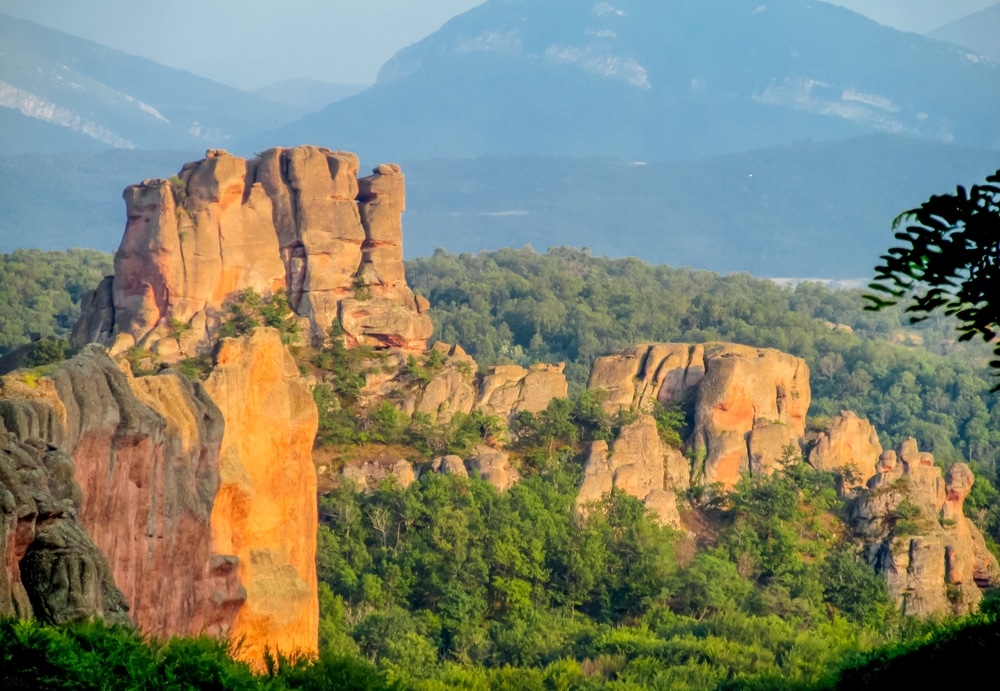
When you’re hopping between Balkan countries, buses are often your best friend. They’re usually the most affordable way to travel, and honestly, they offer a more authentic experience than flying. You get to see the countryside and mingle with locals. Plus, many bus companies operate between major cities, making it easy to get from point A to point B. Don’t forget to check local bus schedules and book tickets in advance, especially during peak season.
Planning your route isn’t just about ticking off countries; it’s about experiencing the journey. Buses let you see the landscapes change and often stop in smaller towns you might otherwise miss. It adds a layer of adventure to your trip.
Navigating Border Crossings and Political Nuances
This is super important. While most border crossings between Balkan countries are straightforward, there can be political sensitivities. For example, some countries have specific rules about entering from or exiting to certain neighboring territories due to ongoing political situations. Always do a quick check on current border regulations before you travel. A little research here can save you a lot of hassle. For instance, instead of going directly from Kosovo to Serbia, you might need to route through another country like North Macedonia. Being aware of these political nuances makes your trip smoother and shows you’ve done your homework.
Finding The Best Flight Deals For Your Trip
Okay, so you’ve got your visa sorted and a rough idea of where you want to go. Now comes the part that can make or break your budget: the flights. Getting to the Balkans without spending a fortune is totally doable, but it takes a little bit of savvy searching.
Choosing Your Balkan Entry Point Wisely
Think of your entry city like the first domino in your trip. Picking the right one can save you a surprising amount of cash. Some cities are just more popular with airlines, meaning more competition and often, lower prices. We found that flying into places like Athens or even Budapest can be cheaper than trying to land directly in smaller, less connected Balkan hubs. It’s all about looking at the bigger picture and seeing which major airport offers the best starting point for your adventure.
Exploring All Flight Options, Not Just Budget Airlines
It’s easy to get fixated on the super-cheap airlines, and sometimes they are the best bet. But don’t count out the regular carriers too quickly. I’ve seen times when a full-service airline was only a little bit more expensive than a budget one, and for that small difference, you get things like checked bags, meals, and a bit more legroom included. It’s worth doing a quick comparison. Sometimes, the ‘deal’ on a budget airline isn’t such a great deal once you add on all the extras you actually need.
Here’s a quick way to think about it:
- Budget Airlines: Great for short hops or if you pack super light. Watch out for baggage fees and airport location.
- Full-Service Carriers: Often better value if you need to check bags or prefer a more comfortable journey. Look for sales!
- Connecting Flights: Sometimes flying into a major hub and then taking a separate, cheaper flight to your final Balkan destination makes sense. Just make sure you leave enough time between flights!
Understanding Flight Reservations for Visa Applications
This is a big one, especially if you need a Schengen visa. You don’t actually need to buy your plane tickets before your visa is approved. What you do need is a flight reservation, sometimes called a ‘dummy ticket’. This is basically a temporary booking that shows the embassy you have a plan to enter and exit the country. It doesn’t require full payment upfront. You can usually get these from travel agencies or specific online services. Once your visa is approved, then you can go ahead and book your actual flights. It’s a smart way to protect yourself from losing money if your visa application doesn’t go through.
Always double-check what kind of flight documentation your specific embassy requires for visa applications. Some might be stricter than others, so it’s better to be safe than sorry and confirm directly with them.
Embracing The Diversity Of The Balkans
The Balkans are like a mosaic, with each country offering a totally different picture. You’ve got everything from the stunning coastlines of Croatia to the rugged mountains of Montenegro and the historic cities of Romania. It’s not just about pretty views, though. The history here is deep and sometimes complicated, and you’ll find that different places have their own stories to tell. For instance, a trip exploring the highlights of four Balkan countries can give you a real taste of this variety.
Think about the languages – you’ve got Latin-based ones like Romanian, Slavic languages using Cyrillic script like Bulgarian, and even Greek with its own alphabet. Then there’s religion, with places being predominantly Muslim, Catholic, or Orthodox Christian. It’s a lot to take in, but that’s what makes it so interesting. Each city has its own vibe too; some feel like old-world fairy tales, others are buzzing big cities, and some are like stepping onto a movie set.
Understanding Varying Costs Across Destinations
Now, let’s talk money. While the Balkans are generally known for being easier on the wallet than Western Europe, prices can really change from one spot to the next. Places like Dubrovnik and Split in Croatia, for example, can get pretty pricey, especially during peak tourist season. We noticed prices there have gone up a lot over the years.
Here’s a rough idea of what you might expect, though remember this can change:
| Destination Type | Estimated Daily Cost (USD) |
|---|---|
| Popular Coastal Cities | $70 – $120+ |
| Major Inland Cities | $50 – $90 |
| Smaller Towns/Rural Areas | $40 – $70 |
It’s smart to do a little research for each place you plan to visit. If you’re on a tight budget, focusing on less touristy spots or traveling in the shoulder seasons can make a big difference. You can find great deals if you look around.
Appreciating The Rich Tapestry Of The Region
When you travel through the Balkans, you’re not just seeing new places; you’re experiencing a whole spectrum of life. The food changes dramatically from one country to the next – think fresh seafood on the coast versus hearty meat dishes inland. Even the way people interact and their daily rhythms feel different.
The sheer variety means you’ll never get bored. One day you might be exploring ancient ruins, the next you could be hiking in stunning mountains or enjoying a bustling city market. It’s this mix of history, culture, and landscape that makes the region so special.
So, don’t expect everything to be the same as you hop from one country to another. That’s the beauty of it! Be open to the differences, and you’ll find the Balkans offer an incredibly rewarding travel experience. Planning your route wisely, perhaps by bus from Sofia in Bulgaria to Skopje in North Macedonia, can help you see more of this amazing diversity without breaking the bank.
Timing Your Balkan Journey For Savings And Scenery
When you’re planning a trip, figuring out the best time to go can make a big difference, especially in the Balkans. It’s not just about avoiding crowds; it’s also about getting more bang for your buck and seeing the place at its most beautiful.
The Impact Of Season On Travel Prices
Summer, from June to September, is when most people want to visit. This means everything – flights, places to stay, and even tours – will cost more. Think of it like this: if you travel during the peak season, you’re paying a premium for the sunshine and the buzz. But, if you can swing it, traveling just outside these months can lead to some serious savings. We noticed prices for things like tours in Croatia dropped quite a bit once October rolled around. This trend usually holds true for hotels and flights too.
Discovering Autumn’s Breathtaking Beauty
If you ask us, autumn is a real winner for a Balkan trip. The weather is usually just right – not too hot, not too cold – making it perfect for exploring. Plus, the scenery is something else. The leaves change, painting the landscapes in amazing colors. It’s truly a sight to behold and makes for some fantastic photos. Visiting in the fall means you often get the best of both worlds: pleasant weather and fewer crowds, all while saving some money.
Packing Smart For Diverse Balkan Climates
One thing about the Balkans is that the weather can change a lot depending on where you are. You might be near the coast with a mild, Mediterranean feel, or inland where it’s more like a typical four-season climate.
Here’s a quick look at what to expect:
- Coastal Areas (e.g., Croatia’s Dalmatian Coast): Generally milder, with warm summers and cooler, wetter winters.
- Inland Cities (e.g., Sofia, Bulgaria; Brașov, Romania): Experience more distinct seasons, meaning hotter summers and colder winters.
- Mountainous Regions: Can be significantly colder, especially outside of summer.
So, before you pack, do a quick check on the weather for each specific place you’re visiting. You’ll want to be ready for anything, from sunny days to cooler evenings. Packing layers is always a good idea when you’re moving between different parts of the region.
Finding Comfortable And Convenient Stays
When you’re hopping between countries, figuring out where to sleep can feel like another puzzle. But honestly, it doesn’t have to be complicated. The key is to think about what makes a place work for you, especially when you’re on the move a lot.
Prioritizing Location And Accessibility
This is a big one. You want to be where the action is, or at least close to it. Think about staying in the heart of a city or near the old town. This way, you can just walk to a lot of the sights, and it makes joining walking tours super easy. Also, check how close your place is to bus stations or train depots. If you’re moving between cities often, being near these transport hubs saves you a ton of time and hassle.
Budget-Friendly Accommodation Options
Good news! The Balkans generally offer some really affordable places to stay. You’ll find everything from hostels and guesthouses to apartments. Don’t just look at the price tag, though. Sometimes paying a little more for a place that’s perfectly located or has an elevator (more on that in a sec) is totally worth it.
Here’s a quick look at what you might find:
- Hostels: Great for solo travelers or those looking to meet people. Expect dorm rooms and shared bathrooms, usually the cheapest option.
- Guesthouses/B&Bs: Often family-run, offering a more personal touch and private rooms.
- Apartments: Ideal for groups or longer stays, giving you more space and a kitchen.
- Budget Hotels: Basic but comfortable, often found on the outskirts of city centers.
Navigating Accommodation Challenges
Okay, so not everything is always perfect. Sometimes, especially in older buildings in historic areas, you might run into a few snags. For instance, many charming old buildings don’t have elevators. If you’re lugging heavy bags or have trouble with stairs, this can be a real pain after a long day of exploring. Always try to find out which floor your room is on and if there’s an elevator before you book. It’s a small detail that can make a huge difference in your comfort.
Be aware that some older buildings, especially in historic city centers, might not have elevators. Always check this detail when booking, particularly if you have heavy luggage or mobility concerns. It can really impact your stay after a day of sightseeing.
Also, keep an eye out for potential scams, especially with taxis. It’s always a good idea to ask your accommodation host about typical taxi fares from the airport or station to their place. Many hosts are happy to recommend trusted transfer services too, which can save you a lot of stress.
So, Was It Worth It?
Honestly, visiting three Balkan countries on one flight budget felt totally doable. We learned a lot about planning ahead, especially with visas and figuring out the best way to get around – buses were our best friend for this. It’s not just about saving cash, though. You really get to see how different each place is, from the food to the history. It might take a bit more thinking than just booking a direct flight to one spot, but the payoff is huge. You get way more adventure and a much deeper look at this amazing part of Europe without breaking the bank. So yeah, if you’re up for a little planning, go for it!
