


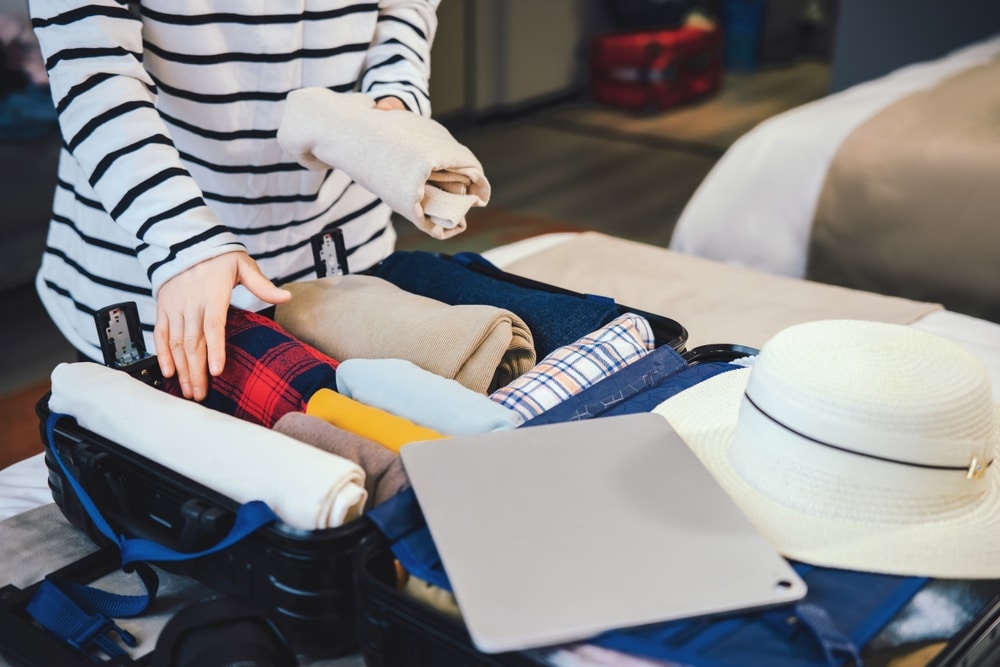
Packing should be simple, yet somehow it always turns into a strategic battle between space, wrinkles, and the fear of forgetting something important. Most travelers eventually hear the same advice: roll your clothes because it’s the best packing method. It’s repeated in travel blogs, YouTube videos, and airport conversations like it’s universal truth. But what if rolling isn’t actually the best packing method for most trips?
If you’ve ever opened your suitcase to find oddly creased shirts, shifting piles of fabric, or clothes that somehow feel bulkier than when you packed them, you already know something isn’t quite right. Rolling works in certain situations, but it isn’t the ultimate solution people claim it to be. In fact, there’s a smarter, more structured approach that reduces wrinkles, stabilizes your suitcase, and makes unpacking dramatically easier.
Before you pack your next trip, it’s worth understanding why rolling became popular, where it falls short, and what truly qualifies as the best packing method for modern travel.
Why Rolling Became So Popular
Rolling took off because it looks efficient. When you roll a T-shirt tightly, it transforms into a compact cylinder that feels space-saving and organized. Backpackers adopted it because backpacks have narrow compartments that favor cylindrical shapes. Minimalists embraced it because rolled clothes appear compact and controlled.
Social media amplified the trend. Perfectly rolled stacks inside color-coordinated suitcases became the visual definition of organized travel. The logic seemed straightforward: rolling removes air and reduces creasing.
However, the reality is more nuanced. Rolling compresses fabric into curves, and curves create tension points. That tension often turns into wrinkles, especially in structured garments like dress shirts, blouses, or tailored pants. Soft fabrics may tolerate rolling, but anything with seams, collars, or shape tends to resist it.
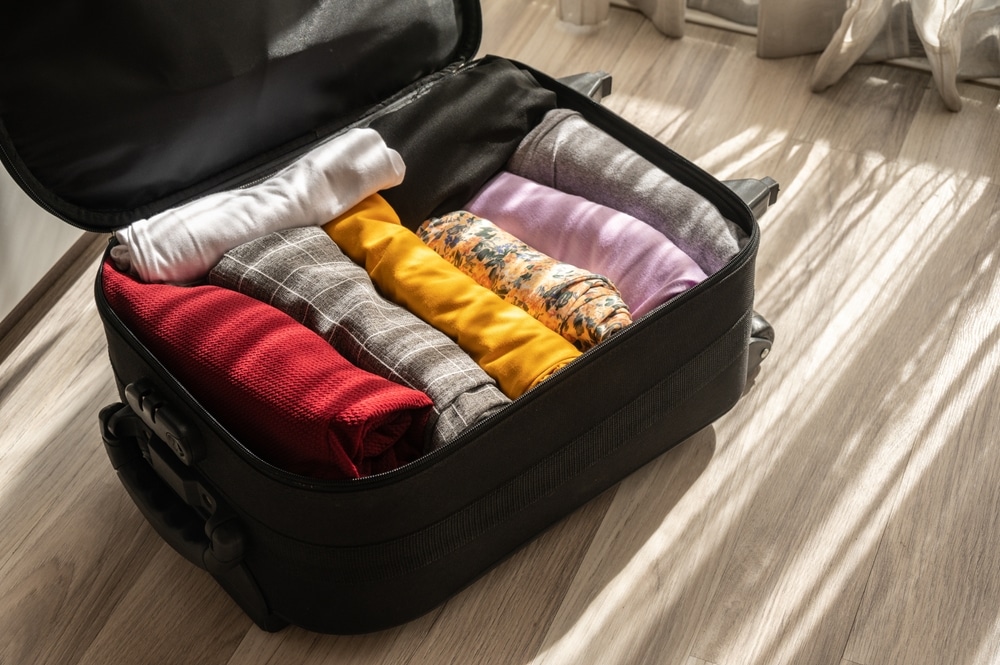
Another overlooked problem is instability. Individual rolls don’t interlock. They sit next to each other, and during transit they shift. Every time your suitcase tilts, gets lifted, or slides in an overhead bin, those rolls move. The result is friction between garments and inconsistent pressure points, both of which contribute to creases.
Rolling also encourages overpacking. Because each item is compressed individually, it feels small. You keep adding pieces because there’s always “a little more room.” Without realizing it, you’ve built a suitcase full of tightly wound clothing that may not even be necessary.
If your goal is wrinkle reduction, structural stability, and long-term organization, rolling alone rarely qualifies as the best packing method.
The Best Packing Method (Yes, It’s Better Than Rolling)
The method that consistently outperforms rolling is bundle packing, sometimes called the layering or wrapping method. Instead of rolling each item separately, you build a structured clothing bundle that functions as a single unit inside your suitcase.
Bundle packing starts with a foundation. Larger, wrinkle-prone garments such as blazers, dresses, or button-down shirts are laid flat first. Instead of folding them tightly, you allow them to extend naturally across the base. Medium-sized garments like sweaters and long-sleeve tops are layered on top, slightly overlapping each other. Softer items are placed toward the center, and finally a small core—often underwear or socks—is placed in the middle.
Once the layers are built, you fold each outer garment inward around the core. Sleeves come across smoothly. Shirt bottoms fold upward gently. Pants legs wrap over the center. Instead of creating sharp creases, you form smooth, rounded folds. The pressure distributes evenly across the bundle, minimizing hard fold lines.
This is why many experienced travelers consider it the best packing method. Rather than a collection of independent rolls, you create a single structured unit that moves together. When your suitcase shifts, the bundle shifts as one cohesive block, dramatically reducing internal friction and garment movement.
The physics behind this approach matter. Rolling creates multiple concentrated compression points. Bundle packing spreads compression across larger surface areas. Less concentrated pressure means fewer deep creases. The smooth wrapping motion reduces sharp folds that would otherwise imprint into fabric during long flights or car rides.
Beyond wrinkle control, structure is the real advantage. A bundle fills the suitcase evenly. It prevents empty air pockets between items. It eliminates that uneven, lumpy texture rolling sometimes produces. The suitcase feels solid, stable, and surprisingly lighter because the weight distribution is more balanced.
Step-by-Step Guide to Using the Best Packing Method
To implement this method effectively, the order of layering matters. Start with your most structured, wrinkle-sensitive garments. Lay them flat with sleeves extended. Next, layer medium-weight items perpendicular to the first layer to distribute bulk evenly. Place softer garments toward the center, keeping the thickest parts near the middle.
The central core can be a packing cube filled with underwear or simply a small stack of socks. This core gives you something to wrap around without forcing tight folds. Once everything is layered, begin folding outer garments inward one at a time. Avoid sharp bends. Think of wrapping rather than folding.
After completing the wrap, lift the entire bundle and place it directly into your suitcase. Shoes can line the sides for additional stability, and smaller items can fill remaining gaps. The result is compact, smooth, and highly resistant to shifting.
Why This Method Reduces Wrinkles So Effectively
Wrinkles form from friction and concentrated pressure. When garments rub against each other in transit, fibers crease along stress lines. Rolling creates multiple friction points between each cylinder. Bundle packing minimizes movement and friction by reducing internal shifting.
Additionally, sharp folds cause deep creases because fabric fibers bend at acute angles. Bundle wrapping relies on rounded folds, which are gentler on fabric. Over time, this subtle difference significantly impacts how your clothes look upon arrival.
Frequent flyers often report that they no longer need hotel irons after switching to this best packing method. Even delicate fabrics maintain their shape more effectively because they are supported by surrounding layers rather than compressed individually.
Psychological Benefits of Structured Packing
Packing isn’t only about physics; it’s about mindset. Rolling feels like stacking individual decisions. Bundle packing feels intentional. Because you build the structure gradually, you evaluate each garment before adding it. This naturally reduces overpacking.
When you reach the final wrap, there’s a sense of completion. The bundle has a defined size, which discourages last-minute additions. The structure itself sets boundaries. That boundary is often what separates efficient packing from chaotic stuffing.
Unpacking also becomes simpler. Instead of digging through multiple rolled pieces, you lift the bundle and unwrap layer by layer. The process feels organized and controlled. Many travelers find that this structured approach reduces travel stress before the trip even begins.
When Rolling Still Makes Sense
Rolling is not useless. For gym bags, soft loungewear, or extremely limited spaces like small backpacks, rolling can be practical. If your wardrobe consists entirely of stretch fabrics and casual pieces, rolling may work sufficiently.
However, once your trip includes structured clothing, longer durations, or the need for wrinkle-free outfits, bundle packing consistently proves superior. The best packing method depends on context, and for most traditional suitcases, structure wins over cylinders.
Pro Tips to Maximize the Best Packing Method
Using thin plastic garment bags between delicate layers reduces friction even further. Placing heavier items like jeans toward the outside of the bundle helps maintain shape. Packing by outfit rather than by category ensures logical layering and simplifies dressing at your destination.
Compression straps inside your suitcase can enhance the bundle’s stability without creating harsh pressure points. Avoid over-tightening vacuum bags, as extreme compression can undo the wrinkle-reduction benefits of rounded folds.
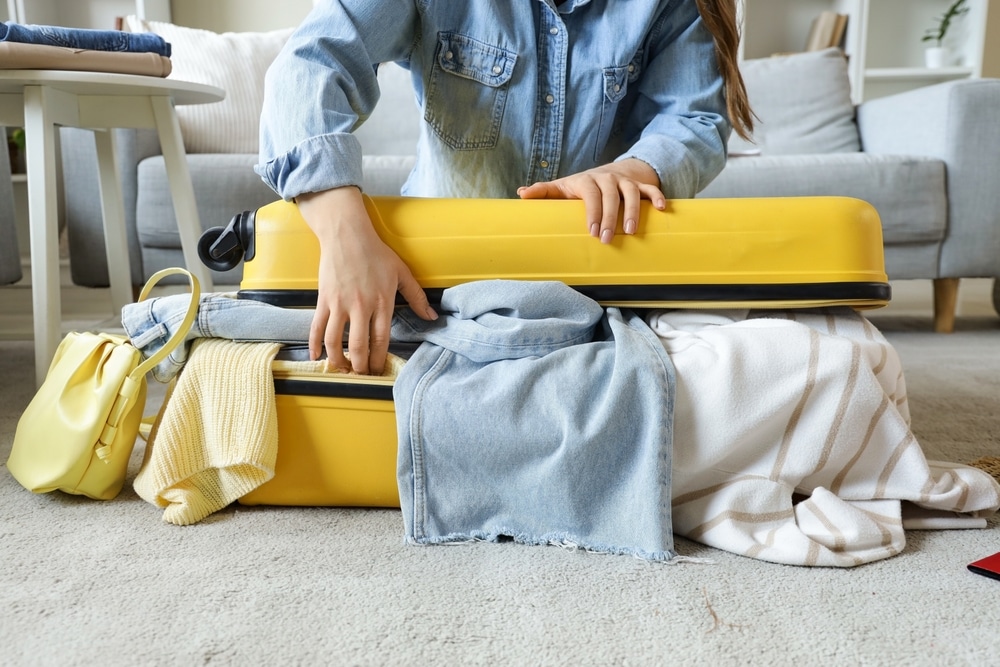
Most importantly, practice the method once before an important trip. The first attempt may take a few extra minutes as you adjust layering order. After that, it becomes intuitive and often faster than rolling.
Why the Best Packing Method Saves Space
One of the biggest misconceptions about bundle packing is that it doesn’t save as much space as rolling. In reality, structured layering eliminates air pockets that rolling often leaves behind. Because the bundle fills the suitcase uniformly, it utilizes every corner more effectively.
Rolling creates visible gaps between cylinders. Those gaps might seem minor, but collectively they waste valuable space. The bundle method compresses those voids into usable volume. The result is a flatter, more efficient packing layout.
Travelers who switch often discover they can pack the same number of items in a smaller suitcase. That efficiency can mean avoiding checked baggage fees or upgrading to carry-on-only travel without sacrificing wardrobe options.
Rethinking How You Pack
Travel is unpredictable enough without adding unnecessary packing frustration. If you’ve been relying on rolling because you believed it was the best packing method, it might be time to reconsider. While rolling has its place, structured bundle packing offers better wrinkle control, stronger internal stability, and more intentional space usage.
The next time you prepare for a trip, resist the automatic instinct to roll everything into tight cylinders. Instead, build a layered bundle. Pay attention to how stable your suitcase feels. Notice how your clothes look when you unpack. Experience how much calmer the process becomes.
Finding the best packing method isn’t about following trends. It’s about choosing the technique that supports your clothes, your suitcase, and your travel experience. Once you experience the difference of structured layering, rolling may start to feel like the outdated advice it often is.
Pack smarter. Travel smoother. And let structure do the heavy lifting.