



Northern Spain has a bit of an image problem. Mention it to other travelers and you’ll often hear things like “You really need a car there” or “It’s only doable with a tour.” That assumption alone stops a lot of people from going. Which is a shame, because Northern Spain is one of the easiest — and most rewarding — places in Europe to explore slowly, independently, and on a budget.
If you’re interested in budget travel Northern Spain, good news: you absolutely don’t need a rental car, and you definitely don’t need to follow a guide holding up a little flag. With trains, buses, walkable cities, and a food culture that rewards curiosity over luxury, Northern Spain is quietly perfect for travelers who like freedom without blowing their budget.
This guide shows you exactly how to do it.
Why Northern Spain Is Ideal for Budget Travel
Northern Spain doesn’t scream for attention the way Barcelona or Ibiza does. And that’s precisely why it works so well for budget-conscious travelers. Cities are compact, distances are short, and tourism is still largely domestic. That keeps prices reasonable and infrastructure practical.
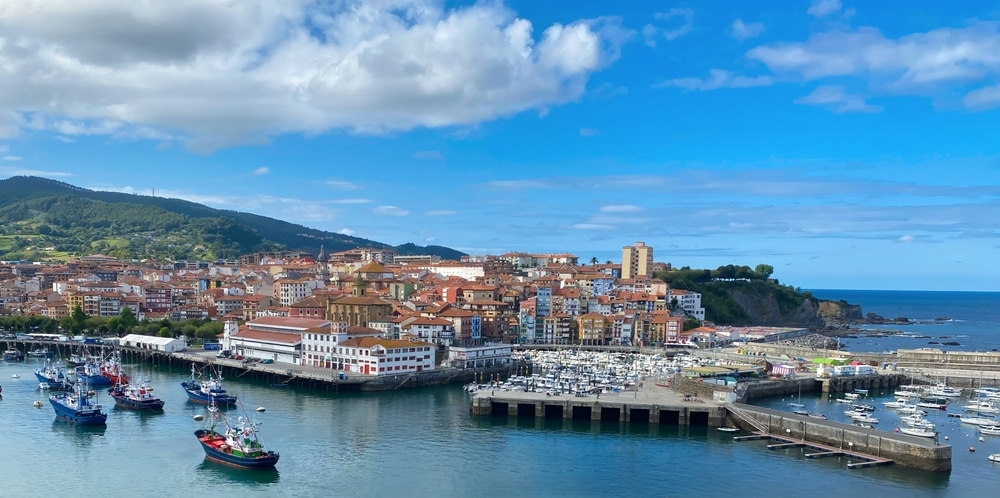
Unlike sprawling regions that force you into a car, Northern Spain’s major destinations sit neatly along the coast and inland rail lines. Bilbao, San Sebastián, Santander, Oviedo, and Gijón are all well-connected and easy to navigate on foot. Even smaller towns feel human-sized, not designed around highways or massive parking zones.
For budget travel Northern Spain, this combination matters. You spend less on transport, less on accommodation outside tourist bubbles, and more on experiences that actually feel local.
Getting Around Northern Spain Without a Car
One of the biggest misconceptions about Northern Spain is that public transport is limited. In reality, it’s just less flashy — and that’s a good thing.
Trains: The Backbone of Budget Travel in Northern Spain
Spain’s regional train network is reliable, affordable, and easy to use. RENFE connects most major cities, while FEVE trains run along parts of the northern coast. These coastal trains are slower, but they’re scenic and cheap, making them perfect if you’re traveling without time pressure.
A regional train from Bilbao to San Sebastián often costs less than a decent lunch. Even longer routes, like Santander to Oviedo, stay budget-friendly if you book a bit in advance. You don’t need rail passes or complicated planning — just show up, buy a ticket, and go.
For travelers focused on budget travel Northern Spain, trains are often the sweet spot between cost, comfort, and simplicity.

Buses: Cheap, Flexible, and Underrated
When trains don’t go exactly where you want, buses fill the gaps — and they do it well. ALSA buses connect cities, towns, and villages with impressive frequency. Seats are comfortable, luggage policies are generous, and prices are often even lower than trains.
Buses are especially useful for inland routes or smaller coastal towns. They’re also great if you want early morning or late-night departures, which can save you a night of accommodation.
If you’re avoiding a car, buses aren’t a compromise in Northern Spain — they’re a genuine upgrade.
Walkable Cities Make Everything Easier
One of the biggest budget advantages of Northern Spain is how walkable it is. Cities like San Sebastián, Oviedo, and Gijón can be explored almost entirely on foot. Even Bilbao, which is larger, has excellent public transport if you need it.
Walkability means fewer taxis, fewer transit passes, and fewer logistical headaches. It also means you stumble into things — local bakeries, small bars, quiet plazas — that tour groups rarely notice.
A Simple Northern Spain Itinerary Without a Car
If you want a stress-free route that works perfectly without driving, this one is hard to beat.
Start in Bilbao. Fly in, explore the city for two days, and use it as your introduction to Northern Spain’s blend of industry, art, and food culture. From there, take a short train ride to San Sebastián. Spend two or three days enjoying beaches, pintxos, and coastal walks.
Next, head west to Santander. It’s calmer, less international, and beautifully set between the sea and green hills. After Santander, continue to Oviedo, a compact city known for its historic center and cider culture. Finish in Gijón, a lively coastal city that feels young, relaxed, and refreshingly unpolished.
Every leg of this journey can be done by train or bus, often in under three hours. No car, no tour schedule, no rushing.
Where to Stay for Budget Travel in Northern Spain
Accommodation is where Northern Spain really shines for budget travelers. Outside peak summer weeks, prices stay reasonable even in popular cities.
Hostels are widely available and often well-designed, but don’t overlook pensiones and guesthouses. These small, family-run places offer private rooms at hostel-level prices, often in central locations. They’re especially common in cities like Oviedo and Santander.
Another smart strategy for budget travel Northern Spain is staying just outside the absolute city center. Because public transport is good and cities are compact, you’re rarely more than a short walk or bus ride from the action — at a significantly lower price.
Eating Well on a Budget in Northern Spain
Food is where Northern Spain quietly spoils you. Not because it’s cheap fast food, but because quality is built into everyday meals.
Pintxos — small snacks served in bars — are often associated with San Sebastián, but you’ll find them everywhere. The trick is avoiding the most touristy streets and following locals instead. One drink plus one pintxo is often enough for a light meal, and hopping between bars turns dinner into an experience rather than a splurge.
Then there’s the menú del día. For a fixed price, usually very reasonable, you get multiple courses, bread, a drink, and sometimes dessert. It’s designed for workers, not tourists, which makes it one of the best values in Spain.
If you’re traveling Northern Spain on a budget, eating like locals isn’t a sacrifice — it’s a reward.
Budget Travel Tips Locals Actually Use
Timing matters. Late spring and early autumn are perfect for Northern Spain. Prices drop, crowds thin out, and the weather stays mild. Even summer can be affordable if you avoid festival weeks and beach hotspots.
Markets are another secret weapon. Local markets sell fresh bread, cheese, fruit, and ready-made meals that beat supermarket prices and quality. They’re ideal for picnic lunches or quick dinners when you don’t feel like sitting down at a restaurant.
Free walking tours are widely available, especially in larger cities. They’re a great way to learn local history without committing to a full tour group. Tip what you feel is fair and move on at your own pace.
Common Myths About Traveling Northern Spain Without a Car
One myth that refuses to die is that Northern Spain is too spread out. In reality, distances are manageable, and transport connections are frequent. Another myth is that it’s expensive. Compared to southern Spain or major European capitals, Northern Spain often costs less — especially once you factor in food quality.
And then there’s the idea that public transport is confusing. It isn’t. Schedules are clear, stations are easy to navigate, and staff are generally helpful, even if your Spanish isn’t perfect.
Is Northern Spain Still Worth It Without a Car?
More than worth it — it’s better.
Traveling Northern Spain without a car forces you to slow down. You spend more time in places instead of rushing between them. You notice daily rhythms, local habits, and small details that tour itineraries skip over.
For anyone interested in budget travel Northern Spain, going car-free isn’t a limitation. It’s a strategy. One that saves money, reduces stress, and delivers a more authentic experience.
Northern Spain doesn’t need to be conquered or optimized. It just needs to be walked, tasted, and explored — one train ride, one meal, and one unplanned moment at a time.
