


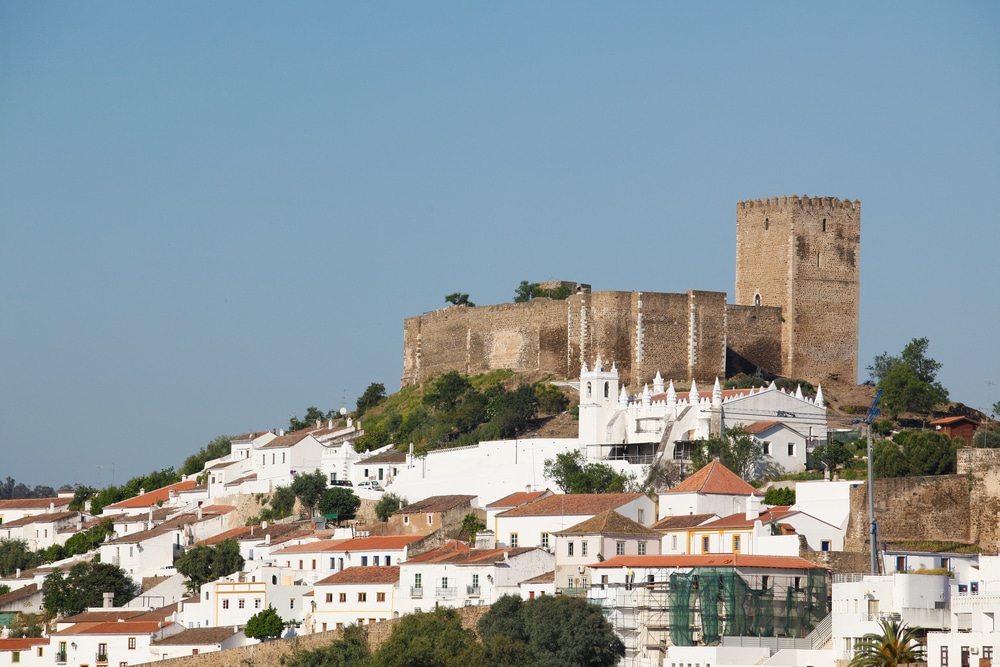
While much of Portugal has firmly landed on the global travel radar, there’s still a part of the country that feels almost invisible to mass tourism. Far from the packed trams of Lisbon and the sunbed-lined beaches of the Algarve lies Alentejo, a vast inland region where time slows down, silence feels normal, and tourism hasn’t rewritten daily life.
This is not a place of bucket-list attractions or flashy Instagram moments. Instead, it offers something increasingly rare in Europe: space, authenticity, and the feeling that you’ve arrived somewhere that exists for itself, not for visitors. Roads stretch endlessly through golden plains, villages appear almost untouched by modern rush, and meals last as long as conversations allow.
For travelers craving calm over crowds and character over convenience, this forgotten corner of Portugal may be the country’s most rewarding secret.
Alentejo
Covering nearly a third of Portugal’s landmass yet home to only a small fraction of its population, Alentejo is defined by openness. It stretches south and east of Lisbon, reaching toward the Spanish border, with landscapes that seem deliberately empty. Rolling plains, cork oak forests, olive groves, and vineyards dominate the horizon, broken only by the occasional whitewashed village perched on a hill.
Unlike coastal Portugal, this region never chased tourism. There are no mega-resorts, no dense hotel strips, and no infrastructure built around handling large volumes of visitors. Instead, life continues much as it always has — quietly, slowly, and with deep roots in agriculture and tradition.
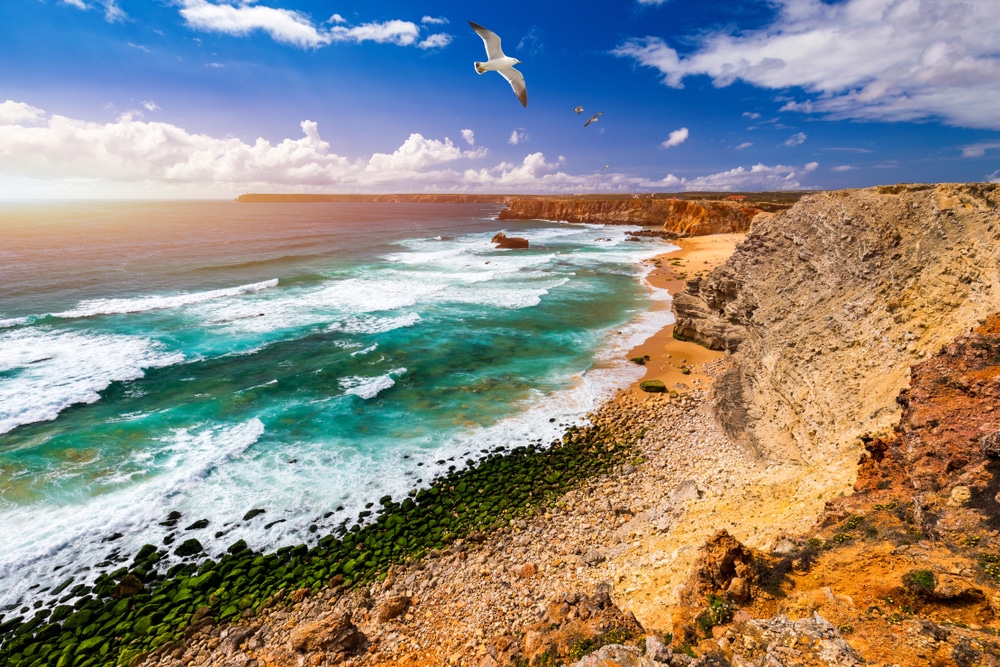
The architecture reflects this mindset. Towns are compact, practical, and designed to shield inhabitants from the intense summer heat. Thick walls, narrow streets, and shaded courtyards aren’t aesthetic choices — they’re survival tools refined over centuries. Even the pace of conversation feels unhurried, as if the region itself resists being rushed.
What makes Alentejo special isn’t just what it has, but what it lacks. No cruise ports. No party hubs. No overwhelming tourism narrative. It’s a place that rewards curiosity and patience, not checklists.
Why Most Travelers Skip This Part of Portugal
The region’s obscurity isn’t accidental. It lacks many of the conveniences modern tourists expect. There’s no major international airport, public transport options are limited, and distances between towns can be deceptively large. Without a car, exploring properly becomes difficult.
Add to that the absence of iconic landmarks. No instantly recognizable skyline. No single attraction dominating travel guides. For travelers used to destinations packaging themselves neatly, Alentejo requires effort — and that alone filters out the masses.
Social media plays a role too. The region doesn’t lend itself to dramatic visuals. Its beauty is subtle: light, space, texture, and silence. These qualities don’t always translate into viral content, so influencers tend to look elsewhere.
Ironically, these very shortcomings have preserved what makes the region special. Tourism never grew fast enough to reshape daily life, and as a result, visitors are guests rather than customers.
A Landscape Made for Slow Travel
Endless Plains and Cork Oak Forests
The defining feature of the region is its scale. Fields stretch far beyond the eye, dotted with cork oak trees that seem carefully spaced rather than randomly placed. These trees are economically vital, harvested every nine years by hand, yet they also shape the landscape’s calm rhythm.
Walking here feels different. There’s no urgency, no visual clutter. Just space — something many travelers don’t realize they’re missing until they encounter it.
Golden Light and Empty Roads
Driving through Alentejo is an experience in itself. Roads are quiet, often completely empty, and the light — especially in late afternoon — turns the plains into shifting shades of gold. There’s no pressure to hurry. Pulling over to admire the view feels natural, not disruptive.
This is a region that invites wandering without a destination.
Whitewashed Villages Frozen in Time
Évora Beyond the Postcards
Évora is often cited as the region’s main attraction, but even here, tourism feels restrained. While the Roman temple draws visitors, most of the city remains deeply local. Laundry hangs from balconies, small cafés serve regulars, and daily routines continue uninterrupted.
Step a few streets away from the center, and the crowds vanish entirely.
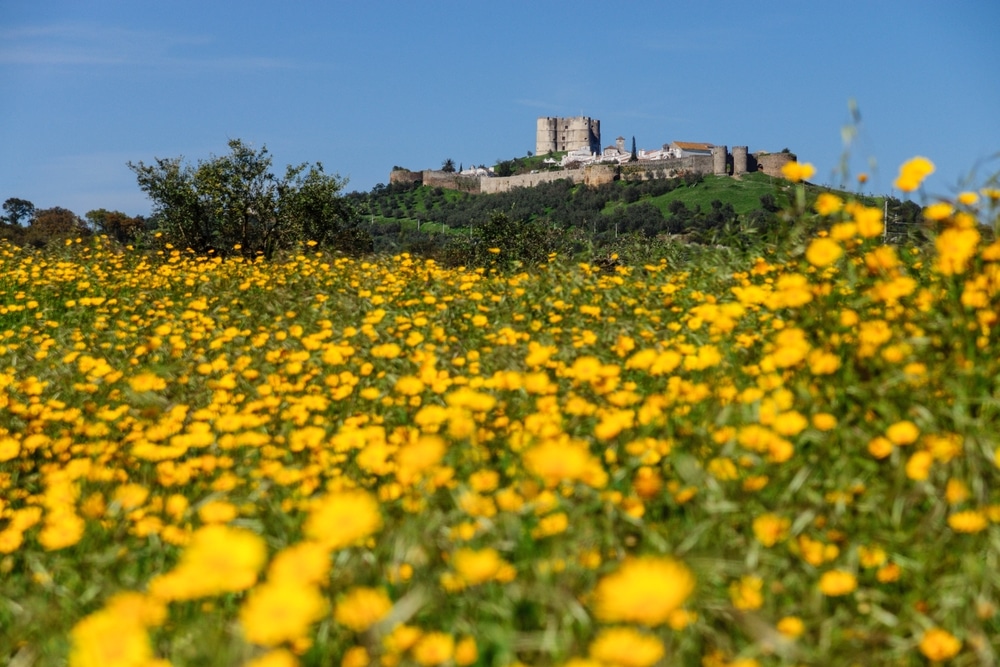
Monsaraz, Marvão, and the Art of Doing Nothing
Hilltop villages like Monsaraz and Marvão offer views that stretch into Spain, yet the atmosphere remains almost monastic. Time is marked by church bells and mealtimes rather than schedules.
Here, doing nothing isn’t a failure of planning — it’s the point.
Food, Wine, and a Cuisine That Never Chased Trends
Alentejo’s cuisine is rooted in necessity rather than innovation. Bread forms the backbone of many dishes, paired with olive oil, garlic, herbs, and whatever meat or vegetables were available. Recipes are simple, filling, and deeply satisfying.
Pork is central, as are soups thickened with bread and flavored with local greens. Nothing is rushed. Meals stretch over hours, often shared communally, with conversation taking precedence over presentation.
The region’s wines reflect a similar philosophy. Robust, affordable, and increasingly respected internationally, they’re still produced without hype. Ordering wine here feels less like a statement and more like a given.
What It’s Like to Visit Before the Crowds Arrive
Traveling through Alentejo feels almost private. Viewpoints are empty. Restaurants don’t require reservations. Locals greet visitors with curiosity rather than fatigue.
There’s a sense that you’ve arrived early — not just in the day, but in the destination’s timeline. This isn’t a place overwhelmed by tourism debates or struggling with overdevelopment. It simply exists, and visitors are allowed to witness it.
That feeling is becoming rare in Europe.
When to Go (And When Not To)
Spring and autumn are ideal. The weather is warm but manageable, landscapes are vibrant, and life feels balanced. Summer brings intense heat, often exceeding 40°C, which can limit daytime activity. Winter is quiet, sometimes stark, but offers its own charm for travelers seeking solitude.
Timing matters less than mindset. Those expecting constant stimulation may struggle. Those open to stillness will thrive.
How to Experience the Region Without Ruining It
Staying in small, family-run accommodations helps keep tourism benefits local. Shopping at village markets, eating where residents eat, and resisting the urge to rush from place to place all contribute to preserving the region’s character.
Respecting silence is important too. Alentejo’s calm isn’t emptiness — it’s intentional.
Why This Place Won’t Stay Secret Forever
As travelers increasingly seek authenticity, slow travel, and meaningful experiences, regions like Alentejo are gaining attention. Remote work, off-season travel, and a backlash against overtourism all point toward change.
The question isn’t whether tourism will arrive — it’s how.
For now, the region remains refreshingly untouched. Those who visit today experience something rare: a destination that hasn’t been redesigned to meet expectations, but one that quietly invites you to adapt to it instead.
Some places impress you. Others stay with you.
Alentejo belongs firmly in the second category — not because it tries to stand out, but because it never needed to.
