


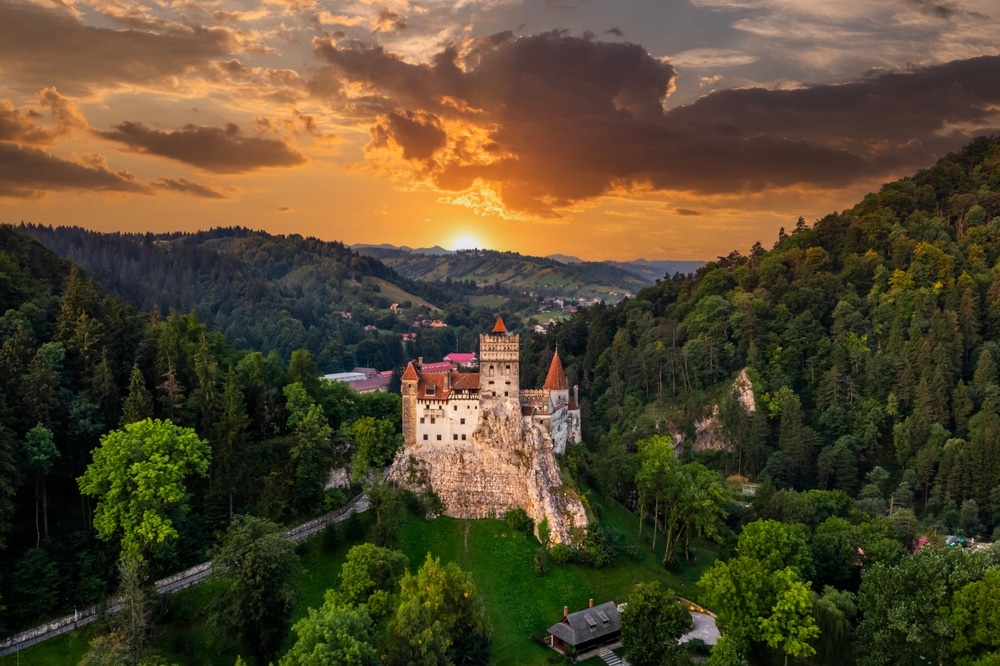
When you hear the word Transylvania, chances are you picture misty mountains, eerie castles, and cloaked figures named Dracula. But while the vampire lore might make for great fiction, the real Transylvania is far more magical than any gothic tale. Tucked away in central Romania, this region is brimming with medieval towns, untouched forests, vibrant traditions, and a kind of rustic beauty that feels like a well-kept secret.
Whether you’re wandering cobblestone streets or sipping homemade plum brandy with locals, Transylvania charms visitors not with fangs—but with authenticity.
Medieval Towns That Feel Frozen in Time
Step into any of Transylvania’s fortified towns, and you’ll feel like you’ve time-traveled. These colorful settlements have preserved their medieval roots, offering a glimpse into centuries-old traditions, architecture, and culture.
Sighișoara
A UNESCO World Heritage Site, Sighișoara is often considered the crown jewel of Transylvanian towns. It’s one of the best-preserved medieval citadels in Europe and, interestingly, the birthplace of Vlad the Impaler—yes, the man who inspired Dracula. But don’t let that overshadow the real story. With its pastel-colored houses, clock tower, and cobbled alleyways, Sighișoara is a fairytale come to life.
Brașov
Nestled at the foot of the Carpathian Mountains, Brașov blends stunning scenery with history. Stroll through the Council Square (Piața Sfatului), visit the towering Black Church, or take a cable car up to Tampa Mountain for panoramic views of the red-roofed city below.
Sibiu
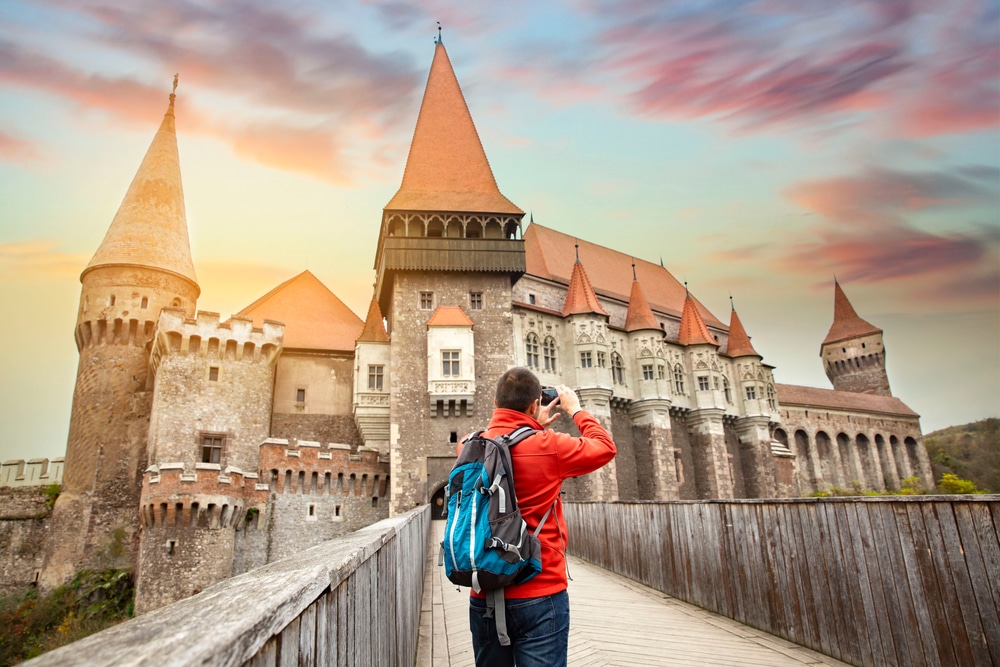
Once the European Capital of Culture, Sibiu boasts baroque buildings, gothic churches, and “houses that watch you”—thanks to their unique eye-shaped attic windows. Rich in Saxon heritage, this town offers an incredible mix of Germanic and Romanian influences.
Each of these towns whispers stories from the past, but their present-day charm is what truly captivates.
Natural Wonders of Transylvania
While the towns of Transylvania are awe-inspiring, its natural beauty is equally compelling. From towering peaks to secret caves, the region offers an outdoor playground for hikers, nature lovers, and photographers alike.
The Carpathian Mountains
Enveloping much of Transylvania, the Carpathians are wild and rugged—home to one of Europe’s largest bear populations and countless hiking trails. Whether you want a peaceful forest walk or a challenging summit, the Carpathians deliver jaw-dropping vistas and a rare kind of silence.
Apuseni Mountains
Less dramatic in altitude but rich in biodiversity, the Apuseni range is a hidden gem. Here, you can explore glacier caves like Scărișoara Cave, which houses a 3,500-year-old underground ice mass. The area is also peppered with waterfalls, gorges, and quaint shepherd villages.
Turda Gorge & Salina Turda
If you’re looking for something truly unique, visit Turda Gorge—a limestone canyon perfect for climbing or quiet contemplation. Then step underground into Salina Turda, a former salt mine turned surreal amusement park. Yes, you can play mini golf or ride a Ferris wheel hundreds of meters below ground.
Transylvania’s landscapes are as layered and complex as its history—perfect for slow, immersive exploration.
Folklore and Traditions Beyond Dracula
Though Dracula might dominate pop culture, the true folklore of Transylvania is much deeper and more diverse. Villages across the region still practice age-old customs passed down through generations.
Villages Like Viscri and Biertan
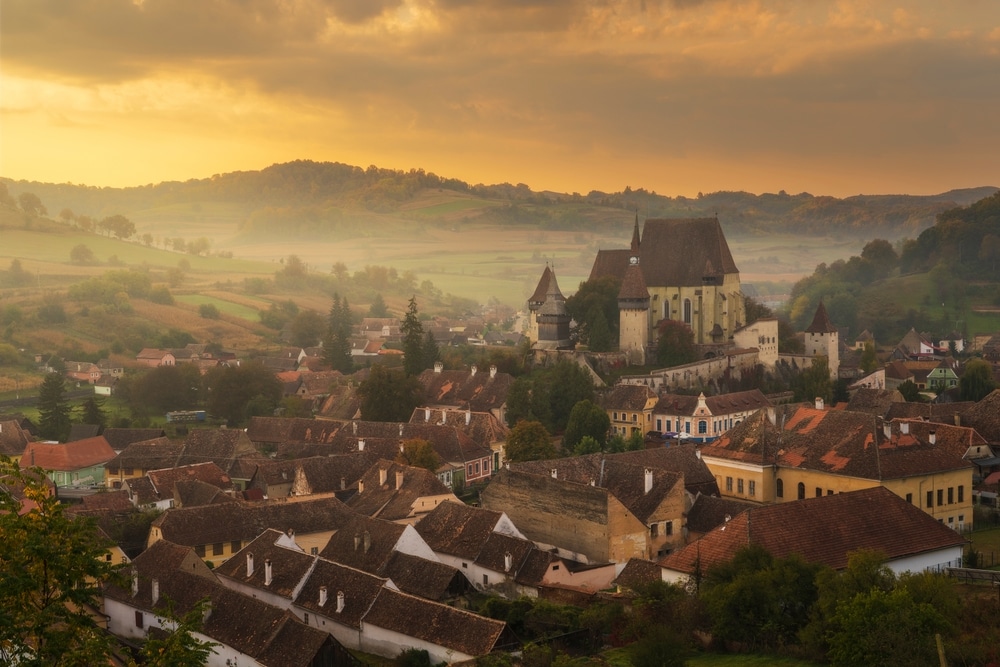
In villages like Viscri, where Prince Charles owns a traditional house, life moves slowly. Locals bake bread in outdoor ovens, tend sheep, and wear embroidered garments for Sunday church. Biertan, another UNESCO site, has a fortified church that once housed a “marriage prison”—where couples on the brink of divorce were locked up for a week to resolve their issues. Surprisingly, it worked.
Handicrafts and Artisan Traditions
From hand-woven textiles to intricately painted Easter eggs, craftsmanship is alive and well here. You’ll find roadside markets where grandmothers sell lace doilies and carved wooden spoons made using techniques centuries old.
Festivals and Rituals
Come during the right time, and you might catch a bear dance (performed to ward off evil), harvest celebrations, or the colorful Easter processions where locals dress in ornate costumes and paint eggs with natural dyes.
These traditions are not tourist performances—they’re a living part of the Transylvanian spirit.
Food and Flavors You Didn’t Expect
Transylvanian cuisine is as layered as its culture, blending Romanian, Hungarian, and Saxon flavors into dishes that are both hearty and soulful.
Must-Try Dishes
- Sarmale: Cabbage rolls stuffed with minced pork and rice, simmered in tomato sauce.
- Ciorbă de burtă: A tangy tripe soup with cream, vinegar, and garlic—an acquired taste for some, but beloved by locals.
- Mămăligă: A cornmeal porridge similar to polenta, served with sour cream, cheese, or stews.
Sweet Treats and Drinks
Don’t miss papanasi—fried or boiled cheese doughnuts topped with sour cream and jam. And be prepared to toast with țuică, a strong plum brandy often offered as a welcome drink.
Farm-to-table is the norm here, especially in rural areas where everything from the bread to the cheese is homemade. Dining in Transylvania is not just a meal—it’s an invitation into someone’s heritage.
Why Visit Transylvania Now?
In a world of overtourism, Transylvania remains refreshingly under-the-radar. But that’s changing—slowly. Here’s why you should consider visiting now.
It’s Budget-Friendly
Compared to hotspots like Prague or Budapest, Transylvania offers excellent value. You can stay in historic guesthouses, enjoy full meals, and explore cultural treasures without breaking the bank.
Unspoiled by Mass Tourism
Unlike other parts of Europe where tourism has altered the local way of life, much of Transylvania still feels untouched. You’ll meet locals who aren’t trying to sell you anything—just genuinely curious about your story.
Rising in Popularity
With more infrastructure, improved roads, and digital nomads discovering towns like Cluj-Napoca, the region is becoming more accessible than ever. But it still holds onto its authenticity—for now.
If you crave a destination that feels both timeless and real, Transylvania is calling.
Transylvania’s Magic is Real—and It’s Not in the Myths
Forget the bats, the coffins, and the creepy castles. The true magic of Transylvania lies in its quiet valleys, its cobbled towns, its handmade traditions, and its warm, resilient people.
It’s a place where you can hike through primeval forests in the morning, wander a 15th-century citadel by noon, and share plum brandy with a shepherd by sunset.
So, if you’re looking for an unforgettable experience without the tourist crowds—or the bloodsuckers—pack your bags and give Transylvania a chance. No garlic necklace required.
