


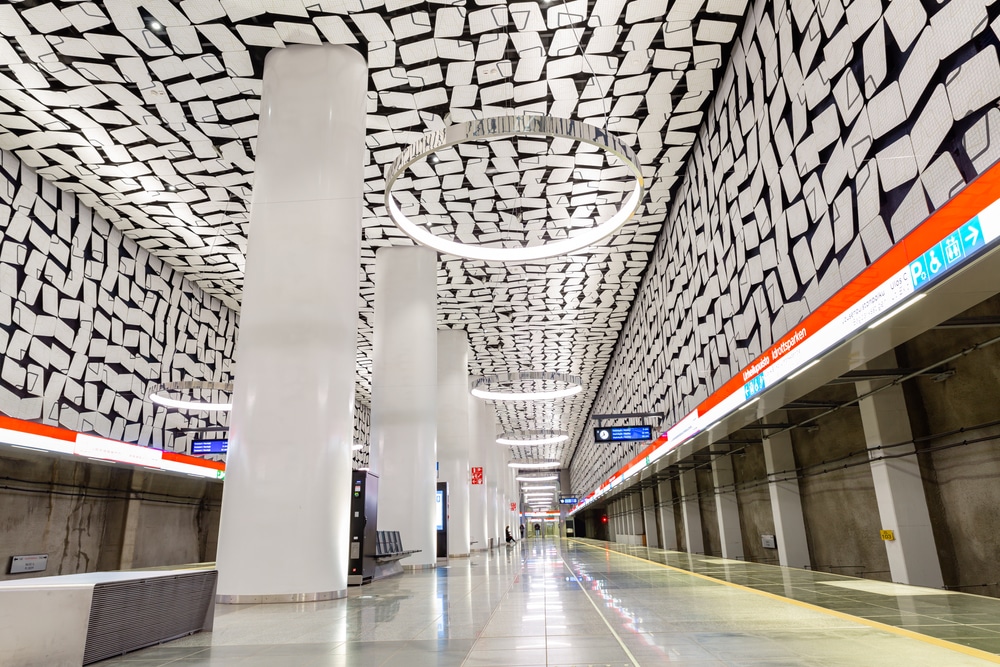
At first glance, Helsinki looks like many other Northern European capitals. Clean streets, modern architecture, trams gliding quietly through wide avenues, and a coastline dotted with ferries and islands. Nothing about the city suggests anything unusual beneath your feet. And yet, hidden below the surface lies one of Europe’s most extensive and sophisticated subterranean systems — a parallel city carved into solid rock.
Often overlooked in travel conversations, underground helsinki isn’t a myth or an exaggeration. It’s a fully integrated underground network housing transport tunnels, data centers, sports facilities, swimming pools, parking structures, shopping areas, and even emergency shelters capable of protecting the entire population. Most visitors walk the streets unaware that daily life continues just meters below them.
This underground Helsinki world wasn’t built for spectacle or tourism. It was built out of necessity, foresight, and a uniquely Finnish relationship with space, safety, and long-term planning. And once you understand how and why it exists, Helsinki becomes one of the most quietly fascinating capitals in Europe.
Underground Helsinki
Helsinki’s underground infrastructure is not a single project, but a long-term strategy that began decades ago. The city sits on exceptionally hard granite bedrock, which makes large-scale excavation both feasible and stable. Instead of expanding outward endlessly or crowding the surface, city planners chose to dig down.
Today, Helsinki has more than 200 kilometers of underground tunnels and facilities, all mapped, regulated, and reserved for future use under a citywide underground master plan. This isn’t improvisation — it’s urban planning at its most deliberate.
What makes underground Helsinki unique is how seamlessly it blends into everyday life. Residents use underground swimming halls, park their cars beneath shopping districts, commute through subterranean metro lines, and attend sports facilities entirely below ground — often without consciously thinking about it.
Unlike bunker-style underground spaces found elsewhere, Helsinki’s underground areas are well-lit, spacious, and thoughtfully designed. They are extensions of the city, not emergency afterthoughts.
Why Helsinki Went Underground in the First Place
The roots of Helsinki’s underground development lie in both geography and history. Finland’s long winters, limited daylight, and harsh weather make underground solutions practical. But there’s also a deeper historical layer: security.
During the Cold War, Finland occupied a sensitive geopolitical position between East and West. While officially neutral, it invested heavily in civil defense. Underground shelters became a national priority, designed not only for emergencies but also for everyday use during peacetime.
Rather than building structures that sat idle, Helsinki adopted a dual-use philosophy. Every underground facility would serve a daily function — parking, sports, transport — but could be converted into a shelter if needed.
This approach ensured constant maintenance, familiarity, and functionality, making preparedness part of normal life rather than a distant contingency.
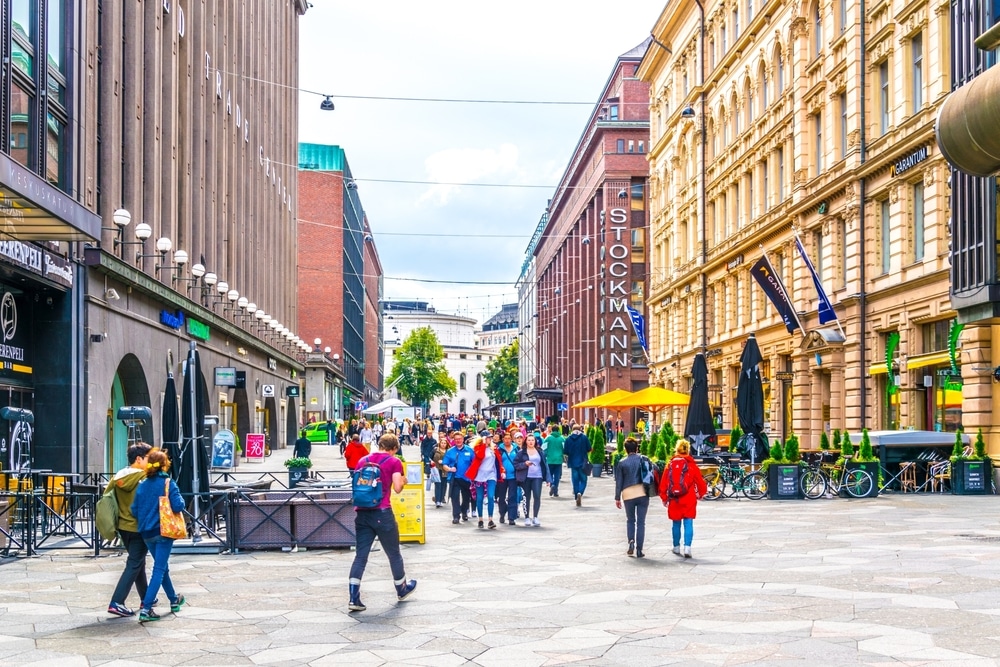
A City That Functions Below the Surface
Beneath Helsinki, entire districts are mirrored underground. Large shopping centers connect directly to metro stations without ever requiring visitors to step outside. Office workers commute through heated tunnels during winter, avoiding snow and ice altogether.
Some neighborhoods feature underground logistics routes, allowing service vehicles to operate without disrupting surface traffic. Data centers and energy facilities operate deep within the bedrock, protected from weather, noise, and external threats.
This hidden infrastructure makes Helsinki unusually resilient. Weather events, energy demands, and population growth are absorbed more easily when the city isn’t constrained to surface-level expansion.
Underground Spaces You Can Actually Visit
Unlike secret military installations, many of Helsinki’s underground facilities are publicly accessible. Swimming halls, ice rinks, gyms, and event spaces operate daily beneath the city.
One of the most striking examples is the underground swimming complex carved directly into rock, complete with natural stone walls and high ceilings. These spaces feel more like futuristic civic centers than emergency shelters.
Metro stations themselves often double as shelters, designed to withstand extreme pressure while remaining welcoming and functional during daily use. The design philosophy emphasizes calm, order, and usability — reflecting broader Finnish values.
Emergency Preparedness Without Panic
Helsinki’s underground network can shelter the entire population of the city if necessary. Shelters are equipped with air filtration systems, water supplies, sanitation, and power — all maintained continuously.
What’s remarkable is how little emphasis is placed on fear. Emergency preparedness is treated as infrastructure, not ideology. Shelters are clearly marked, well-maintained, and integrated into normal buildings, making them familiar rather than intimidating.
This quiet preparedness reflects a cultural mindset that values readiness without dramatization.
How Underground Planning Shapes Daily Life
Living in Helsinki means benefiting from underground solutions even if you never consciously think about them. Traffic flows more smoothly. Public spaces remain open and uncluttered. Winter feels less disruptive.
By placing essential systems underground, Helsinki preserves surface space for parks, housing, and public life. The city feels open and breathable, despite its growing population.
This balance between density and livability is one of Helsinki’s greatest strengths — and one many cities struggle to achieve.
Not Eastern Europe — But Often Misunderstood
While Helsinki is frequently grouped into Eastern Europe due to geography or history, it occupies a unique cultural position. It’s Nordic in identity, governance, and design philosophy, yet shaped by proximity to Eastern Europe and Russia.
This hybrid identity partly explains why Helsinki developed differently from other capitals. Its underground strategy reflects pragmatism, neutrality, and long-term thinking rather than ideology or spectacle.
The result is a city that doesn’t announce its innovations loudly — it simply implements them.
Why Other Cities Are Studying Helsinki
Urban planners around the world study Helsinki as a model for sustainable growth and resilience. As cities face climate challenges, population pressure, and infrastructure strain, underground development is increasingly attractive.
Helsinki demonstrates that underground space doesn’t have to be dark, unused, or temporary. When planned properly, it becomes a permanent, valuable layer of the city.
Few cities have executed this vision as comprehensively or successfully.
The Psychological Effect of an Invisible City
Perhaps the most fascinating aspect of underground Helsinki is how invisible it remains. There’s no sense of claustrophobia or confinement. The surface city feels calm, spacious, and human-scaled.
Knowing that so much exists beneath the city adds a quiet sense of security rather than anxiety. The infrastructure is there if needed, but it doesn’t dominate daily life.
This subtlety may be Helsinki’s greatest achievement — preparedness without paranoia.
What Travelers Usually Miss
Most visitors never realize they’re walking above one of the world’s most advanced underground cities. They see design, cleanliness, and order, but not the systems enabling them.
Those who take the time to learn about Helsinki’s subterranean world often leave with a deeper appreciation for how thoughtfully the city is designed. It’s not flashy. It doesn’t sell itself. It simply works.
Why Helsinki’s Underground Matters More Than Ever
As global cities grapple with climate instability, resource management, and security concerns, Helsinki’s underground approach feels increasingly relevant. It offers a blueprint for building cities that are flexible, resilient, and quietly prepared.
Rather than expanding endlessly or reacting to crises, Helsinki planned decades ahead — and continues to do so.
Underground Secret?
Helsinki’s underground isn’t a hidden secret meant to impress tourists. It’s a practical solution born from geography, history, and a long-term mindset. The city didn’t build underground to stand out — it built underground to function better.
And in doing so, it created one of Europe’s most fascinating urban environments — not above ground, but quietly beneath it.