



Thinking about a trip to the Baltics on a budget? Awesome choice! These countries – Estonia, Latvia, and Lithuania – are super interesting and don’t have to cost a fortune. The first step is just getting a general idea of what you want to see. Most people find it easiest to travel in one direction, either starting in Vilnius and heading north to Riga and then Tallinn, or the other way around. This cuts down on backtracking and can save you time and money. Since all three countries use the Euro and are part of the EU, things are pretty straightforward logistically. English is also widely spoken in the cities, so you won’t have too much trouble getting around.
Choosing Your Travel Direction
Deciding whether to go north or south can really shape your trip. If you start in Vilnius, Lithuania, you can work your way up through Riga, Latvia, and finish in Tallinn, Estonia. Or, you can flip it and start in Tallinn. Honestly, there’s no single ‘best’ way; it often comes down to flight prices and what makes the most sense for your schedule. Think about it like this:
- Southbound: Vilnius -> Riga -> Tallinn
- Northbound: Tallinn -> Riga -> Vilnius
This linear approach makes moving between countries much simpler. You’ll be using buses mostly, and they’re quite comfortable with amenities like Wi-Fi and charging ports. Booking your bus tickets a bit in advance can snag you better prices, sometimes cutting the cost in half compared to buying last minute.
Embracing Slow Travel
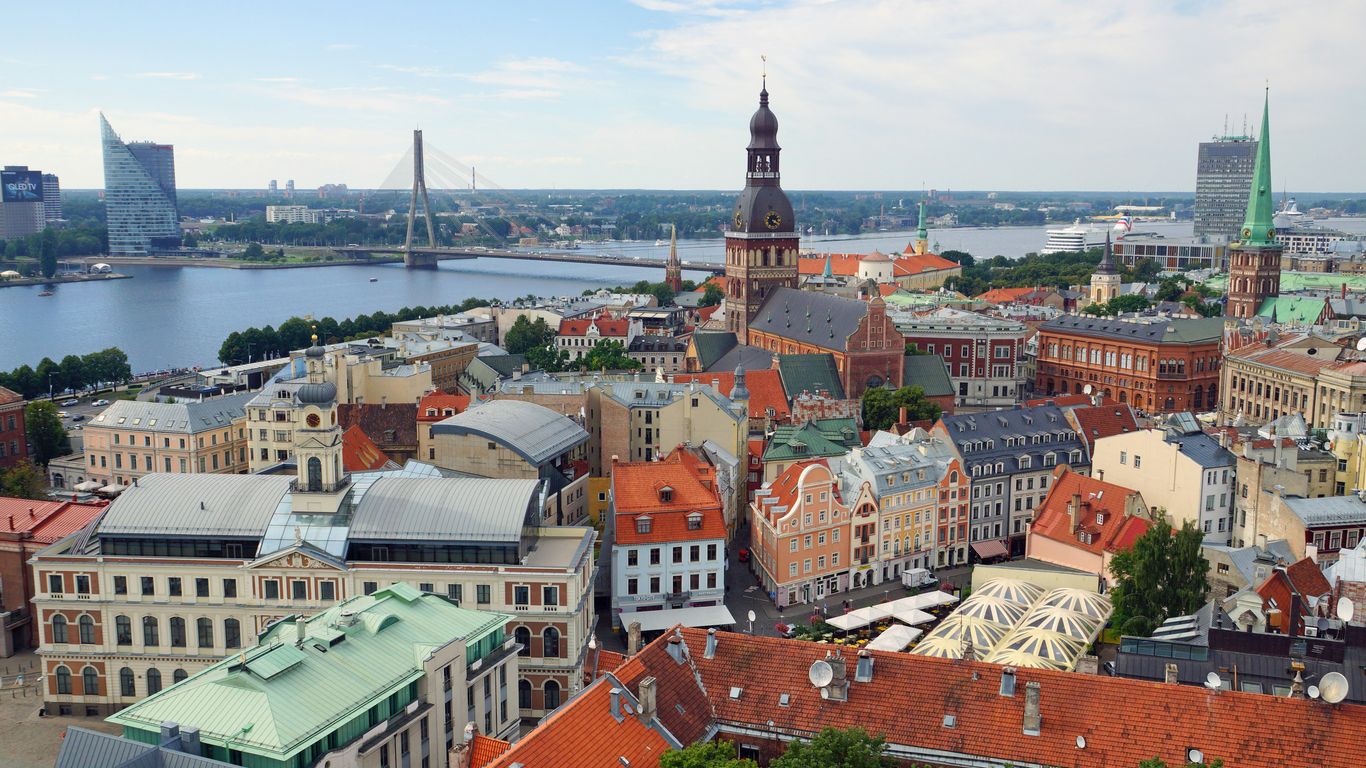
When you’re on a budget, slowing down is your best friend. Instead of rushing from one city to the next, give yourself a few days in each capital. This means you can really soak in the atmosphere, wander through those charming old towns without a strict agenda, and maybe even discover some hidden gems. Slow travel also means you’re more likely to notice the little things – the history etched into the buildings, the local way of life. It’s not just about seeing sights; it’s about experiencing a place. Plus, when you’re not constantly on the move, you save money on transportation and can often find cheaper accommodation for longer stays.
Baltics On A Budget: Accomodation Ideas
Finding a place to sleep that doesn’t break the bank is key when you’re trying to stick to a tight budget. Luckily, the Baltics offer a good range of choices, from super cheap to just plain reasonable.
Hostels For Solo Travelers
Hostels are pretty much the go-to for solo travelers, and for good reason. They’re not just about saving money; they’re also great places to meet other people on the road. You’ll find dorm rooms where you rent a bed, which is the cheapest option. Some hostels also have private rooms if you want a bit more privacy but still want the social vibe. Expect shared bathrooms and common areas where you can cook your own food or just hang out. Prices can vary, but you’re often looking at somewhere between €10-€25 per night for a dorm bed.
Airbnb For Groups
If you’re traveling with a few friends or family, Airbnb can actually be a really cost-effective choice. Splitting the cost of an apartment or a whole house means you can end up paying less per person than you would for separate hostel beds. Plus, you get your own kitchen, which is a huge money-saver for meals. You can find anything from a small studio to a larger place. Booking an apartment with a kitchen can significantly cut down your food costs. It’s worth checking out prices in advance, especially if you’re traveling during peak season.
Budget-Friendly Hotels
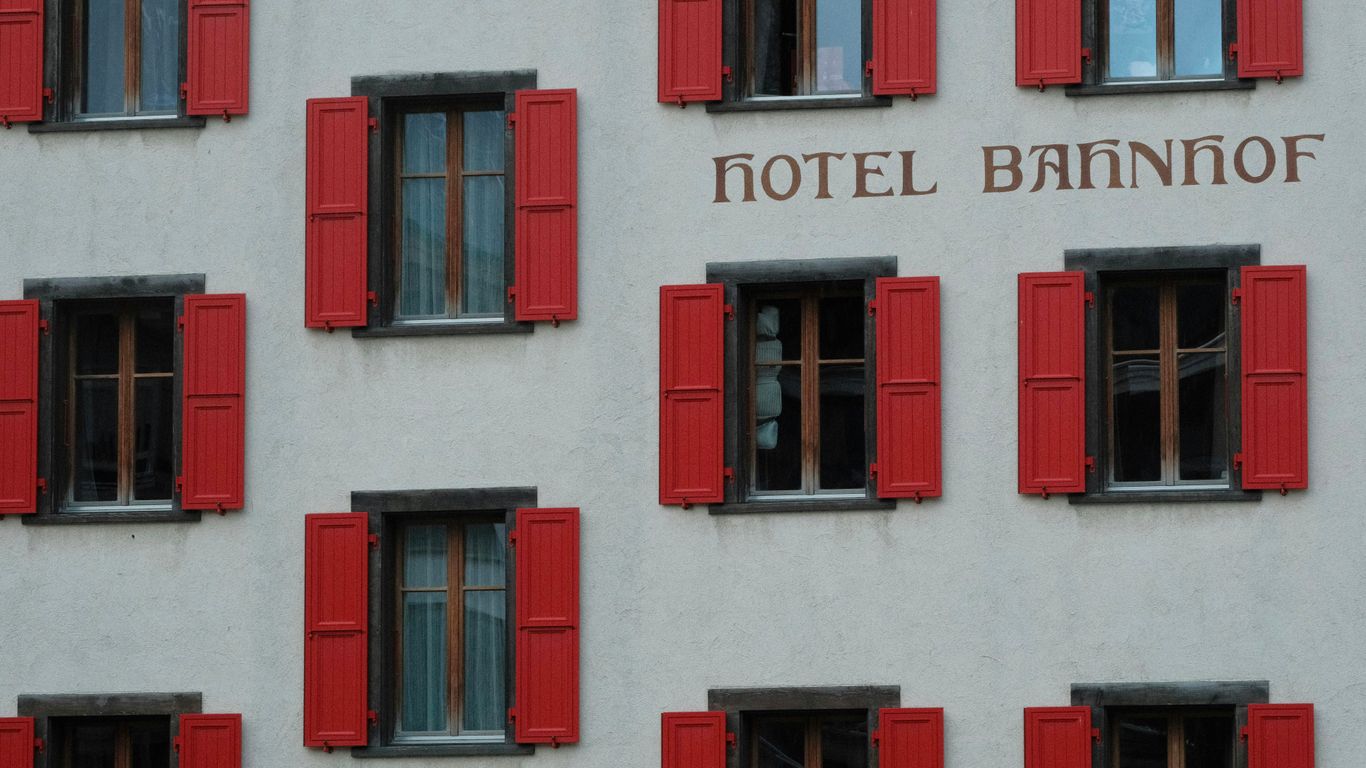
Don’t rule out hotels entirely! While luxury hotels are out of the question for a €30 a day budget, there are plenty of smaller, independent hotels or guesthouses that offer basic but clean rooms at decent prices. These can sometimes be found for around €30-€50 per night for a double room, making them a good option if you’re sharing the cost. Look for places a little outside the absolute city center, as they tend to be cheaper. Sometimes, these places even include a simple breakfast, which is another bonus for your budget.
Delicious And Cheap Eats
Eating well on a budget in the Baltics is totally doable, and honestly, it’s part of the fun! You don’t need to spend a fortune to try some really tasty local food. Forget fancy restaurants for a minute; the real gems are often found in simpler places.
Local Market Finds
Markets are your best friend when you’re trying to save money and eat like a local. You’ll find everything from fresh produce to ready-to-eat snacks. Think about grabbing some fresh berries in the summer or some hearty bread any time of year. It’s a great way to sample different things without committing to a whole meal. Plus, the atmosphere is usually pretty lively!
- Fresh fruits and vegetables: Perfect for light snacks or adding to your accommodation’s kitchen.
- Local cheeses and cured meats: Great for building your own picnic.
- Baked goods: Look for traditional rye bread or sweet pastries.
- Pickled items: A common and tasty snack in the region.
Traditional Baltic Dishes
While the Baltics might not be a world-renowned culinary destination, there are definitely some dishes worth trying that won’t break the bank. One classic you’ll see everywhere is keptad duona, which is fried rye bread, often served with a garlic or cheese sauce. It sounds simple, but it’s surprisingly addictive, especially as a bar snack. Another must-try is mulgikapsad, a filling stew usually made with pork, sauerkraut, and barley. It’s the perfect comfort food, especially on a cooler day. You can often find these at more casual eateries or even some market stalls.
Don’t be afraid to try things that sound a little different. Some of the most memorable meals come from stepping outside your usual comfort zone and sampling authentic local flavors. It’s all part of the adventure!
Affordable Cafes And Bakeries
Cafes and bakeries are scattered throughout the Baltic cities and are fantastic spots for a cheap breakfast or lunch. You can usually grab a coffee and a pastry for just a couple of euros. Many places offer daily specials or lunch deals that are a steal. Look for bakeries selling dark rye bread – it’s a staple and delicious. If you’re in Helsinki, be aware that prices can jump up significantly compared to the other Baltic states; you might find a good deal on a Vietnamese sandwich at the Old Market Hall for around €5.50, which is a budget-friendly option there. For more budget travel ideas across different continents, check out destinations across Europe.
Here’s a quick look at what to expect:
| Meal Type | Average Cost (€) | Notes |
|---|---|---|
| Coffee & Pastry | 2-4 | Great for breakfast or a quick snack |
| Lunch Special | 5-8 | Often includes soup and a main course |
| Traditional Dish | 6-10 | Hearty portions, good value |
| Market Snack | 1-3 | Pickles, bread, small pastries |
Getting Around The Baltics Affordably
Moving between the Baltic countries and within their cities doesn’t have to break the bank. You’ve got some really solid, budget-friendly options that make exploring easy.
Intercity Bus Travel
Buses are probably your best bet for traveling between the capitals of Lithuania, Latvia, and Estonia. Companies like Lux Express and Ecolines run frequent services, and they’re surprisingly comfortable. Think Wi-Fi, power outlets, and even onboard entertainment on some routes. Booking your tickets in advance is key to snagging the cheapest fares. Last-minute tickets can be significantly more expensive, so a little planning goes a long way. The journeys between cities are usually around 4-5 hours, offering nice views of the countryside.
Here’s a rough idea of what you might expect:
| Route | Typical Duration | Estimated Cost (Advance Booking) |
|---|---|---|
| Vilnius-Riga | 4-5 hours | €8 – €15 |
| Riga-Tallinn | 4-5 hours | €8 – €15 |
| Tallinn-Riga | 4-5 hours | €8 – €15 |
Local Public Transport
Once you’re in a city like Vilnius, Riga, or Tallinn, you’ll find that walking is often the best way to see the historic Old Towns. They’re quite compact. However, if you need to get to the airport or a neighborhood further out, local buses, trams, and trolleybuses are super efficient and cheap. A single ticket usually costs around €1-2, and day passes are available if you plan on doing a lot of moving around. Keep an eye out for ticket machines or buy them from kiosks.
Ride-Sharing Apps
For convenience, especially if you’re traveling with a friend or two, ride-sharing apps can be a great option. Bolt (which started in Tallinn) is widely available and often cheaper than traditional taxis. You can use it for airport transfers or just getting across town when your feet are tired. It’s a good way to avoid any potential overcharging by local taxi services, which can sometimes be quite a bit pricier. Uber is also an option in some cities, but Bolt tends to have a stronger presence across the Baltics.
Using ride-sharing apps can give you peace of mind, especially when arriving in a new city late at night. You know the price upfront, and there’s a record of your trip.
Free And Low-Cost Activities
You don’t need to spend a lot to have an amazing time in the Baltics. There are tons of ways to soak up the culture and see the sights without emptying your wallet. Seriously, some of the best experiences cost absolutely nothing.
Exploring Old Towns
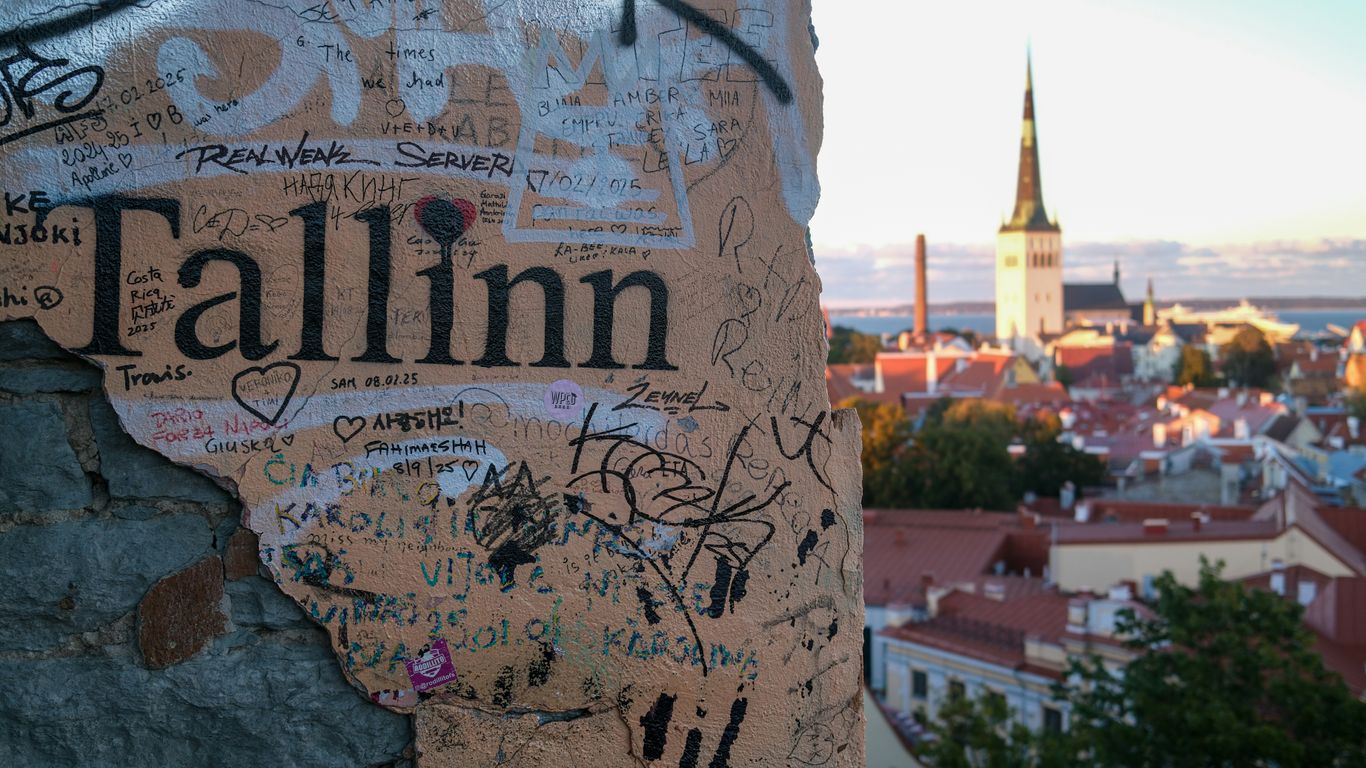
Every Baltic capital – Tallinn, Riga, and Vilnius – has a UNESCO-listed Old Town, and they are all incredibly walkable and full of charm. Think winding cobblestone streets, colorful buildings, and hidden courtyards. Just wandering around is an adventure in itself. You can spend hours getting lost (in a good way!) discovering little shops, admiring the architecture, and just taking in the atmosphere. In Vilnius, don’t miss the quirky Republic of Užupis, a self-declared independent state within the city, complete with its own constitution and artistic vibe. Riga’s Old Town is also a gem, with its mix of Gothic and Art Nouveau styles. Tallinn’s medieval old town feels like stepping back in time.
Joining Free Walking Tours
This is a fantastic way to get your bearings and learn some history when you first arrive in a city. Most major cities offer free walking tours, usually daily. You just show up at the meeting point and time. The guides are often locals who are passionate about their city and share interesting stories and historical facts. While the tours are technically free, it’s customary to tip your guide based on how much you enjoyed the tour. A few euros goes a long way and is much appreciated. It’s a great way to get recommendations for cheap eats and other activities too.
Enjoying Nature Trails
Beyond the cities, the Baltics offer beautiful natural landscapes that are perfect for exploring on a budget. Estonia’s national parks, like Lahemaa, offer stunning forests, waterfalls, and coastal views. You can often find marked trails for hiking or even cycling. Latvia has plenty of forests and lakes, and Lithuania also boasts beautiful countryside. Pack a picnic from a local market, and you’ve got yourself a full day of adventure without spending much at all. Some islands near Tallinn, like Naissaar, are also great for a quiet escape with nature walks.
Remember that many of these activities are best enjoyed at your own pace. Consider downloading offline maps or audio guides before you go so you can explore independently and learn as you go without needing constant internet access.
Managing Your Daily Budget
So, you’re aiming for that sweet spot of traveling the Baltics on about €30 a day? It’s totally doable, but it means being smart about where your money goes. Keeping a close eye on your spending is key to making this budget work. It’s not about being cheap, it’s about being savvy!
Understanding Currency and Costs
The Baltic states – Estonia, Latvia, and Lithuania – all use the Euro (€). This makes things pretty straightforward, no need to worry about multiple exchange rates. While generally more affordable than Western Europe, costs can still add up if you’re not careful. For example, Latvia’s average daily traveler cost can be around $158 (€134), so keeping your own spending below €30 requires conscious effort. Prices can also vary between the capital cities and smaller towns, and even between seasons.
Tracking Your Expenses
This is where a simple notebook or a notes app on your phone comes in handy. Every evening, jot down what you spent. It doesn’t have to be super detailed, just a quick list: ‘Hostel – €15’, ‘Lunch – €5’, ‘Bus ticket – €2’, ‘Souvenir – €3’. Seeing it all laid out helps you spot where you might be overspending. You can also use budgeting apps, but sometimes a pen and paper feels more grounding.
Here’s a quick look at potential daily costs:
| Category | Estimated Cost (€) |
|---|---|
| Accommodation | 10 – 15 |
| Food | 10 – 12 |
| Local Transport | 1 – 3 |
| Activities/Misc. | 2 – 5 |
| Total Daily | 23 – 35 |
Making the Most of Your Euros
To stay within that €30 target, focus on these areas:
- Accommodation: Stick to hostels or look for budget guesthouses. Sometimes booking slightly outside the absolute city center can save you a good chunk of change.
- Food: Hit up local markets for snacks and picnic lunches. Try street food or bakeries for cheap, filling meals. Avoid tourist-trap restaurants right on the main squares.
- Activities: Prioritize free activities like exploring old towns and parks. Look for free walking tours – just remember to tip your guide what you can afford. Many museums have specific free entry days or times.
- Transport: Walk whenever possible! For longer distances between cities, buses are usually the most economical option. Check out companies like Lux Express for comfortable and affordable rides between capitals. You can find great deals on intercity bus travel.
Remember, the goal is to experience the Baltics without breaking the bank. It’s about smart choices, prioritizing what matters most to you, and enjoying the journey. Don’t be afraid to adjust your spending slightly if you find an amazing experience you can’t miss, just try to balance it out elsewhere.
Can You Really Do the Baltics on a Shoestring?
It turns out, traveling the Baltics on about €30 a day is totally doable. You just need to be smart about where you stay, what you eat, and how you get around. Think hostels or budget Airbnbs, grabbing food from local markets or bakeries, and using those super reliable buses between cities. It’s not about missing out on anything; it’s about experiencing these cool places in a more local way. So pack your bags, because an amazing and affordable adventure awaits!
