


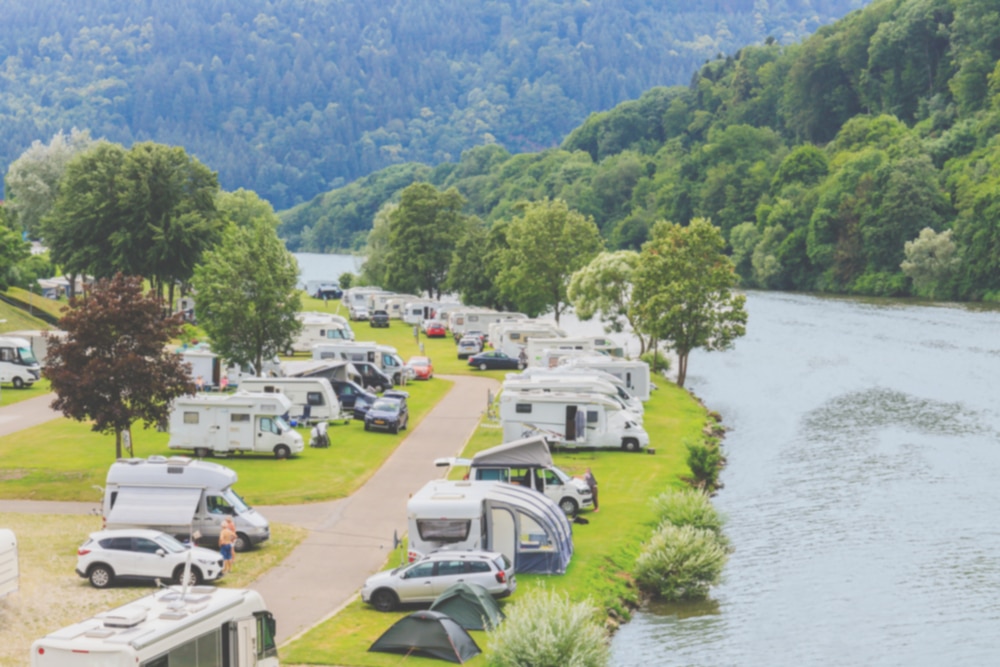
Camping across Europe is often imagined as a pricey adventure filled with campground fees, reservations, and crowded tourist parks. But there is another side to outdoor travel that many backpackers, van lifers, and long distance hikers quietly practice. It is called free camping in Europe, and it allows travelers to explore mountains, forests, lakes, and coastlines without paying for a campsite. While it is not always as simple as pitching a tent anywhere, understanding the rules and culture behind free camping in europe can unlock a whole new way to travel slowly, cheaply, and more connected to nature.
How free camping in europe actually works
For many travelers, the idea of sleeping outdoors without a paid campsite sounds too good to be true. Yet free camping in Europe is a real and widely practiced approach to travel. It usually refers to setting up a tent, sleeping in a van, or staying overnight in nature outside official campgrounds without paying a fee.
However, the rules vary widely between countries. Some places openly allow wild camping in nature, while others technically prohibit it but tolerate it in remote areas if campers behave responsibly. Understanding this difference is key to enjoying free camping in Europe without problems.
In many regions, the unwritten rule is simple. Arrive late, leave early, stay quiet, and leave no trace. If you follow these principles, locals and authorities are often relaxed about travelers spending a night outdoors.
Why many countries tolerate it
Europe has a long tradition of outdoor recreation. Hiking, cycling, and long distance walking routes cross entire countries. Because of this culture, spending a night outside during a journey is often accepted when done respectfully.
Free camping in Europe is especially connected to hiking culture. Multi day routes like the Camino de Santiago, the GR trails in France, and the European long distance paths sometimes pass through remote landscapes where official campsites are rare.
Local authorities often recognize that hikers need somewhere to sleep. Instead of strict enforcement, many regions rely on common sense behavior from travelers.
Another factor is the growing van life movement. Campervans exploring rural regions have increased awareness of free camping in Europe, pushing some municipalities to create designated overnight parking areas instead of banning it completely.
Places where it is easiest
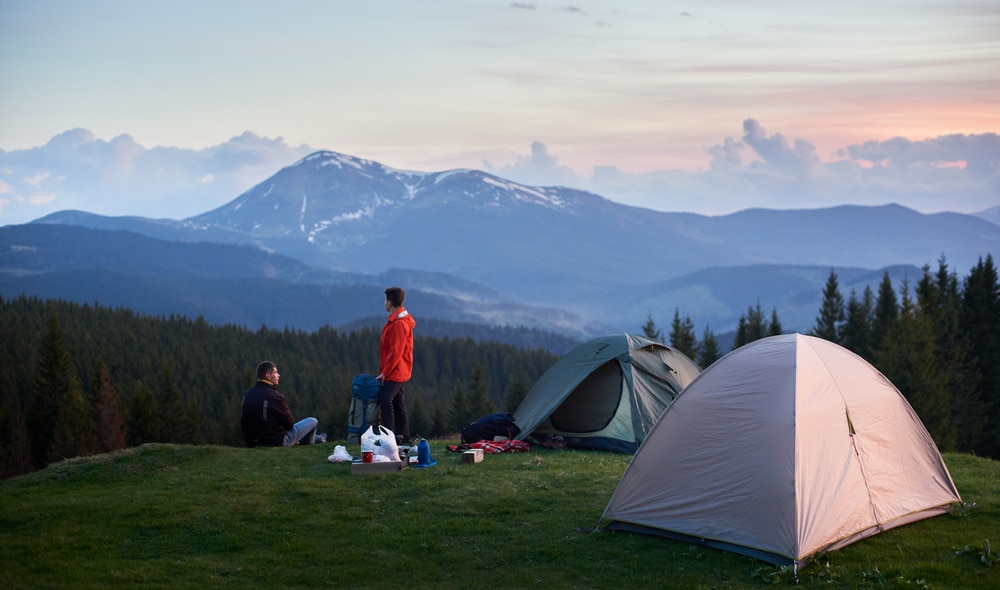
Some European countries are famous for their relaxed approach to wild camping. Scandinavia is the most well known example thanks to the concept known as “everyman’s right,” which allows people to access nature and stay overnight in many natural areas.
In Norway, Sweden, and Finland, free camping in Europe is not only tolerated but legally protected in many locations as long as campers stay a certain distance from homes and respect the environment.
Scotland also has a strong tradition of wild camping in most remote areas. The Scottish Outdoor Access Code encourages responsible camping and makes it possible to explore vast landscapes without needing to book campsites.
Other countries are more complicated but still possible for careful travelers. Spain, Portugal, parts of France, and the Balkans often allow discreet overnight stays in rural areas where tourism pressure is low.
Rules that keep free camping in Europe possible
Although the freedom sounds exciting, there are important guidelines that help keep this travel style sustainable. Responsible behavior is the reason free camping in Europe continues to exist in many places.
First, always avoid private property unless you have permission. Farmers and landowners are usually friendly if asked politely, but setting up without asking can cause problems.
Second, camp small and stay temporary. A single tent or a van staying one night is usually accepted, while large groups or long stays attract attention.
Third, manage waste carefully. Carry out all trash and avoid leaving food scraps. In many natural areas, the biggest threat to free camping in Europe is litter left by careless visitors. Finally, be careful with fires. In dry regions, wildfires are a serious risk and open flames may be illegal.
Best locations to try
If you want to experience nature at its quietest, there are incredible landscapes perfect for travelers interested in free camping in Europe. Mountain regions are some of the best places. The Alps, Pyrenees, and Carpathian Mountains contain vast hiking networks where small overnight stays are common.
Coastal areas can also be magical. Cliffs in Portugal, remote beaches in northern Spain, and parts of the Adriatic coastline sometimes allow discreet overnight stops with incredible sunrise views.
Forests are another favorite. Countries like Germany, Poland, and the Czech Republic have deep woodland areas where hikers occasionally practice free camping in Europe while traveling long trails. The key is choosing remote places rather than tourist hotspots. Busy national parks often enforce stricter rules.
Gear that helps you stay discreet
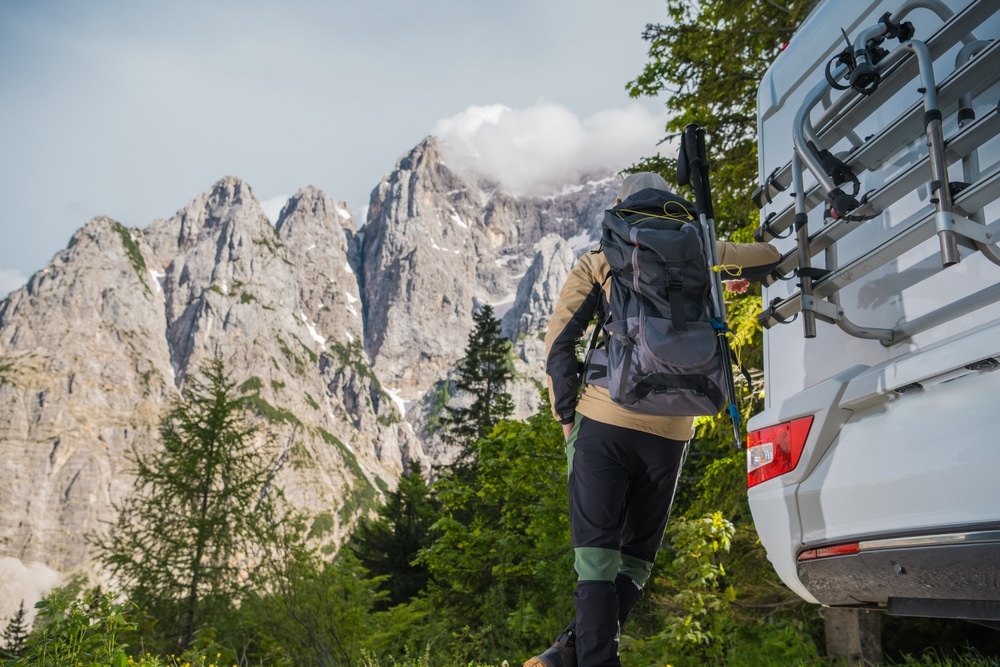
Successful outdoor travelers know that the right equipment makes a huge difference. Lightweight gear helps campers move easily and remain unobtrusive.
A small tent in natural colors blends into the environment and attracts less attention than bright camping gear. Many experienced travelers who practice free camping in Europe also prefer bivy bags or compact trekking tents.
Quiet cooking systems are also useful. Small gas stoves are usually safer and less noticeable than building a fire.
Lighting matters too. Using a dim headlamp instead of bright lanterns helps maintain the low profile that makes free camping in Europe easier and more accepted by locals.
Apps and maps that help you find spots
Modern technology has made outdoor travel easier than ever. Several mobile apps help campers discover locations where overnight stays are possible.
Park4Night is widely used by van travelers across the continent. It includes user reviews, photos, and descriptions of parking areas and natural locations where people have spent the night.
‘iOverlander’ is another helpful resource with global coverage. Hikers and cyclists also contribute useful information about quiet places suitable for free camping inEeurope.
Satellite maps are useful as well. Looking at terrain through mapping apps can reveal forests, rivers, and remote areas that are far from towns and traffic.
Despite these tools, it is still important to evaluate locations yourself. Conditions change and not every shared spot will still be suitable.
Common mistakes new campers make
Many beginners make simple errors when trying their first night outdoors. Avoiding these mistakes will make the experience smoother and safer.
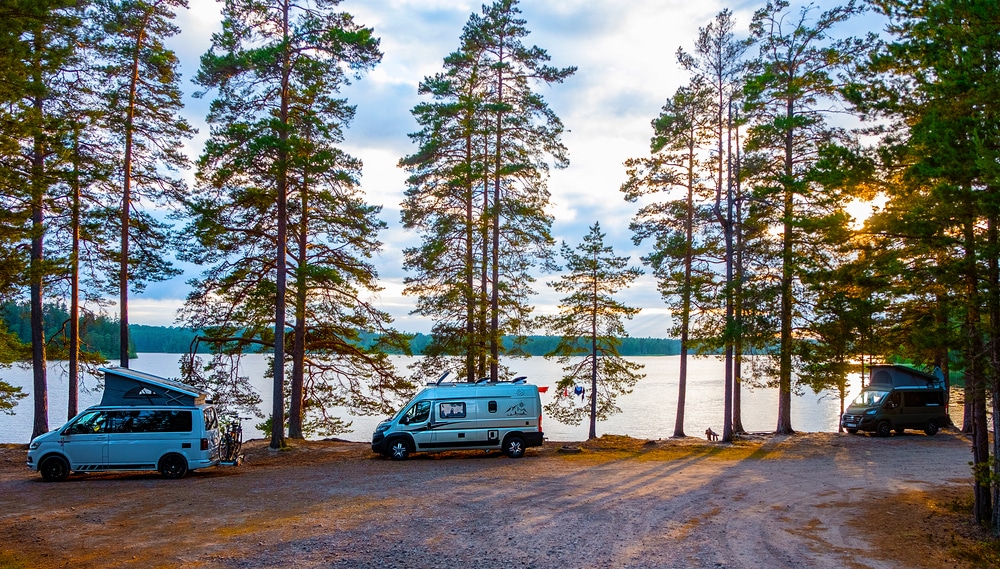
One common mistake is arriving too early in the evening. Setting up camp in the middle of the afternoon makes the location very visible. People experienced with free camping in Europe often wait until sunset before pitching a tent.
Another mistake is choosing places too close to roads or houses. Privacy is important both for campers and local residents. Noise is another problem. Loud conversations, music, or bright lights can quickly attract attention and ruin the peaceful atmosphere that makes free camping in Europe enjoyable.
Finally, some travelers forget to check local regulations. Even if wild camping is tolerated, national parks and protected areas may have specific restrictions.
Respect nature and local communities
Outdoor freedom depends heavily on trust. Communities allow travelers to enjoy nature because most visitors behave responsibly.
When practicing free camping in Europe, the most important principle is leaving places exactly as you found them. This means packing out trash, avoiding damage to vegetation, and respecting wildlife. Water sources should be protected as well. Washing dishes or using soap directly in streams can harm fragile ecosystems.
Respect for local communities is equally important. Parking respectfully, supporting local shops, and being polite to residents all help maintain goodwill toward travelers exploring through free camping in Europe. When visitors act thoughtfully, the relationship between locals and outdoor travelers stays positive.
For travelers willing to learn the rules and respect nature, free camping in Europe opens the door to a completely different style of exploration. Instead of rushing between hotels and crowded campgrounds, you gain the freedom to wake up beside mountain lakes, forests, or quiet coastlines. It requires responsibility, flexibility, and awareness of local laws, but the rewards are unforgettable experiences and a deeper connection to the landscape. As long as travelers continue to protect nature and respect communities, free camping in Europe will remain one of the most adventurous and affordable ways to discover the continent.
Do you want to learn more ways to have an amazing trip for just a few bucks? Then visit our on a budget page here