


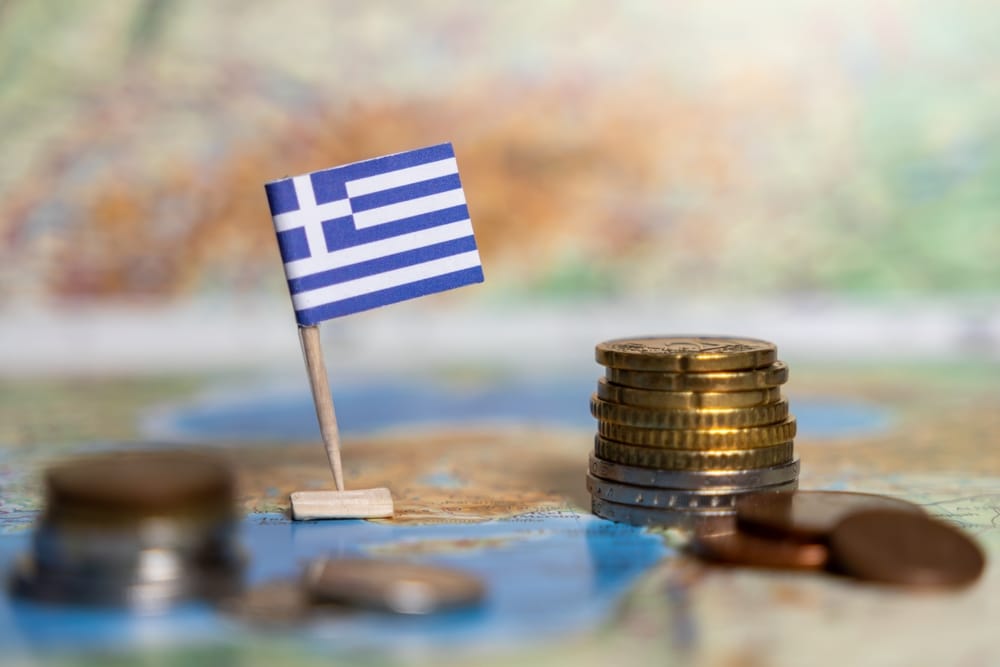
Traveling through Greece is one of those experiences everyone dreams of: swimming in bright-blue water, wandering through whitewashed villages, eating ridiculous amounts of feta, and jumping from island to island like a full-time adventurer. But here’s the good news — you can live the island-hopping fantasy without emptying your bank account. In fact, greece budget travel is not just possible… it’s genuinely one of the most rewarding ways to explore the country. When you know how to plan smart, you get the same postcard views, the same epic beaches, and the same sunset moments, minus the financial hangover.
Let’s map out exactly how to island-hop Greece on a budget — without sacrificing the fun.
Why Greece Is a Perfect Destination for Budget Travelers
Greece has a reputation for being dreamy, sunny, and full of history — but what a lot of people miss is how surprisingly affordable it can be. Compared to Italy or France, your money stretches much further here. Even compared to Spain, Greece gives you more value per meal, per activity, and definitely per beach day.
Not all islands cost the same, though. A night in Mykonos will cost you more than a night in Athens and lunch and dinner and two gyros combined. If you’ve ever seen a €19 mojito on a beach menu, you know exactly what I mean. But venture just a few ferry stops away and suddenly Greece becomes the kind of place where you can stay in a cozy studio for €30–€40 a night, grab a fresh bakery pie for €2, and swim all day for free.
Greece is built for flexible travelers: buses are cheap, bakeries are everywhere, ferries connect almost every island group, and you can completely avoid the overpriced tourist hotspots simply by choosing your islands wisely.
The Best Time to Visit Greece on a Budget
If you want the best balance between warm weather and low prices, the shoulder seasons are your golden ticket.
April to June
Warm days, blooming landscapes, lower ferry prices, and accommodations that haven’t yet doubled in price. Plus, you get quiet beaches and empty streets.

September to October
Hot seas, cooler evenings, the same “summer feeling” — just without the massive crowds. Accommodation drops again, ferries become calmer, and tavernas go back to serving locals first.
What to avoid?
August.
Everything is more expensive. Everything is more crowded. Everything is hotter than it needs to be. Travelers come, locals travel, and the result is: chaos — and high prices.
If you can avoid that month, your budget will thank you.
How to Plan Your Route for Maximum Savings
Island-hopping gets expensive when you zigzag all over the Aegean like a lost dolphin. The trick is simple: stick to ONE region.
Why? Because ferries between nearby islands are short, frequent, and cheap. Long-distance ferries look affordable at first, but they add up quickly.
Here’s how to group your trip:
Cyclades
Paros, Naxos, Ios, Syros, Milos, Tinos, Amorgos
(Perfect for first-timers and the easiest region to island-hop)
Dodecanese
Rhodes, Kos, Symi, Karpathos
(Great for culture and dramatic landscapes)
Ionian
Corfu, Kefalonia, Zakynthos
(Perfect for lush green scenery but ferries are more limited)
Sporades
Skiathos, Skopelos, Alonissos
(Turquoise waters, calm vibes, cheaper than the Cyclades)
Sample budget-friendly route:
Paros → Naxos → Ios
All close together, all cheap to move between, all full of gorgeous beaches.
Group your islands, and suddenly the trip becomes easy — and much cheaper.
Affordable Greek Islands Worth Visiting
Some islands are naturally budget-friendly because they attract fewer “luxury” crowds. Here are the best ones to target if you want maximum beauty for minimum money.
Naxos
A golden-budget gem. Wide beaches, cheap tavernas, and family-run studios everywhere. You can rent a scooter for less here and explore villages that look like they belong in a movie.
Paros
A perfect mix of trendy and local. It has great bus connections (which saves you money on rentals) and some of the nicest, most affordable food options in the Cyclades.
Syros
This island is stunning and underrated. Since it’s home to many locals year-round, prices don’t spike as hard in summer. Ermoupoli, its main town, is one of the prettiest in all of Greece.
Crete
Huge, diverse, full of cheap eats, affordable guesthouses, and endless things to do. If you want the most bang for your buck, Crete is unbeatable — beaches, mountains, gorges, cities, food, culture… everything.
Ios
Yes, it’s known for parties, but here’s the truth: outside high season, Ios is extremely affordable. Beachfront rooms for €30–€40? Yep. Quiet beaches? Absolutely.
Your Ultimate Guide to Greece Budget Travel
This is the big section — the one with your exact keyword, designed to score high in RankMath.
So let’s break down the best ways to keep your wallet happy while exploring Greece.
1. Take the slow ferries
Fast ferries save time but destroy your budget. Slow ferries often cost half the price and offer the same gorgeous sea views. Bring a drink, sit on deck, and enjoy the ride.
2. Stay in family-run studios
These places are a Greek classic: clean rooms, friendly hosts, kitchenettes, and prices that seem too good to be true. Avoid beachfront “luxury rooms” and look one or two streets back — that’s where the deals are.
3. Eat like a local
Forget overpriced waterfront spots. Instead:
- Bakeries for breakfast (€1–€2 pies)
- Taverna daily specials (€7–€10)
- Gyros shops for cheap dinners (€2.50–€4)
You’ll spend a fraction of what tourists pay.
4. Use island buses whenever possible
Most popular islands have great bus networks. Paros, Naxos, and Ios especially. Renting a car or quad is fun but not necessary for every day of your trip.
5. Seek free activities
Beaches = free.
Hikes = free.
Old villages = free.
Sunsets = free (and the best part of the trip anyway).
Greek islands are full of incredible experiences that don’t cost anything.
How to Travel Between the Islands for Less
The number one mistake people make? Booking ferries last minute and paying a premium.
To save money:
- Book in advance
- Choose slow ferries
- Travel early or late in the day
- Avoid long-distance “cross-region” routes
Also, consider night ferries for longer trips — they save you one night of accommodation and get you to a new island by sunrise.
Budget airlines like Sky Express or Aegean can be cheaper than ferries on long routes, but only when booked early.
Eating and Drinking on a Budget
You can eat incredibly well in Greece without spending much. The secret is avoiding tourist-trap menus and focusing on the staples locals love:
- Spanakopita (spinach pie)
- Tiropita (cheese pie)
- Gyros and souvlaki
- Greek salads
- Lentil soup (φακές / fakes)
- Moussaka lunch specials
Taverna house wine is cheap and surprisingly good. Water is free. Bread is usually €0.50 or €1. You can easily keep food spending under €20–€25 per day without feeling deprived at all.
Where to Stay Without Overspending
Hotels on Greek islands vary wildly. The secret is avoiding anything labeled “luxury” or “boutique.” Instead, choose:
- Local studios
- Guesthouses
- Family-run B&Bs
- Simple apartments with kitchenettes
- Inland villages instead of beachfront
In most cheap islands, expect:
€25–€40 per night in shoulder season
€40–€60 per night in high season
If you’re staying longer, negotiate — Greeks often offer lower rates for 3+ nights, especially in May, June, September, or October.
Free & Low-Cost Things to Do on Greek Islands
This is the part that really saves you money: Greece is naturally one giant playground.
- Spend the day on free beaches — actual paradise for €0.
- Hike from village to village — epic views, no entry fee.
- Explore old towns — narrow streets, colorful houses, and endless photo moments.
- Visit local festivals — music, dancing, food, and culture.
- Go to sunset viewpoints — Santorini is famous, but every island has magical vantage points.
Each island has its own unique “free gems,” and half the fun is discovering them.
7-Day Sample Budget Greece Island-Hopping Itinerary
Here’s a realistic, low-cost itinerary that gives you beaches, hikes, and island-hopping without draining your savings.
Day 1–2: Paros
Explore Naoussa and Parikia, visit Kolymbithres beach, take the bus to Lefkes village, enjoy cheap gyros and bakery treats.
Day 3–4: Naxos
Visit Agios Prokopios, hike Mount Zas (free), explore Halki village, swim at Plaka Beach.
Day 5–7: Ios
Enjoy the quieter beaches, visit the old town, hike to Homer’s Tomb, watch the sunset at Ios Port.
Estimated cost for the week (excluding flights):
€350–€450 total (including accommodation, food, ferries, and activities)
How Much to Budget Per Day in Greece
A realistic daily budget looks like this:
Backpacker: €40–€60/day
Includes bakery breakfast, cheap lunch, simple dinner, bus tickets, studio accommodation, and beach days.
Mid-range traveler: €70–€100/day
Allows some splurges, nicer dinners, more ferry flexibility, and occasional rentals.
Greece is one of the few European countries where €50/day still lets you live very, very well — especially in shoulder season.
Final Tips for Traveling Greece Cheaply
To keep your costs down even further:
- Bring a reusable bottle (tap water is drinkable in many places)
- Buy sunscreen at home — it’s expensive in Greece
- Use buses instead of taxis
- Pack light to avoid luggage fees
- Travel early or late in the season
- Stick to one island group
The more intentionally you plan, the more you save — and the more you enjoy.
Conclusion
Island-hopping through Greece doesn’t require deep pockets — just smart planning, good timing, and the willingness to explore beyond the most obvious islands. When you embrace the slower ferries, local studios, family-run tavernas, and free natural beauty everywhere, Greece transforms into one of the most budget-friendly destinations in Europe. So grab your backpack, book a cheap ferry, and start hopping — paradise is waiting, and it doesn’t have to cost a fortune.
